


Building muscle at home is totally possible — even without expensive gym equipment. Whether you’re a beginner or getting back into fitness, this guide will teach you everything you need: from effective workouts to nutrition and recovery strategies. By the end, you’ll have a personalized roadmap to build strength and muscle right in your living room.
Why Building Muscle at Home Works
Millions of people are discovering that home workouts can be just as effective as gym routines — if done right. You don’t need fancy machines; you need consistency, good form, and smart programming.
Here’s why home muscle-building works:
✔ You control your schedule
✔ You save money
✔ You build functional strength
✔ You can progress with simple tools
What You Need to Get Started
You don’t need much. Here are recommended essentials:
Basic Equipment (Optional But Helpful)
- Dumbbells or kettlebells
- Resistance bands
- Pull‑up bar
- Exercise mat
👉 Don’t have equipment? Don’t worry — we cover bodyweight options too.
🧠 How Muscle Growth Actually Happens
Before you start training, it helps to understand muscle hypertrophy:
- Mechanical tension – stressing muscles
- Muscle damage – micro-tears from resistance
- Metabolic stress – build-up of byproducts during exercise
These processes signal your body to rebuild muscle stronger than before. For more on training principles, see our guide on Muscle Growth Fundamentals.
Designing an Effective At‑Home Muscle Program
A good muscle‑building plan includes:
- Progressive overload
- Compound movements
- Balanced volume and recovery
- Varied rep ranges
Progressive Overload
Muscles grow when they’re constantly challenged. Increase difficulty by:
✔ Adding reps
✔ Increasing resistance
✔ Slowing down tempo
✔ Adding sets
Rep Ranges for Growth
| Goal | Reps | Intensity |
|---|---|---|
| Strength | 4–6 | Heavy |
| Hypertrophy | 8–15 | Moderate |
| Endurance | 15+ | Light |
For muscle building, aim for 8–15 reps per set with enough resistance that the last few reps are challenging.
Best At‑Home Exercises for Muscle Gain
You can divide your workouts by upper body, lower body, and core — or follow full‑body sessions.
💪 Upper Body
| Exercise | Target |
|---|---|
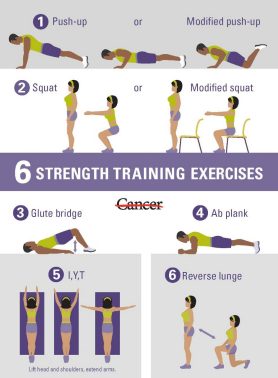
| Push‑ups | Chest, triceps, shoulders |
| Dumbbell press | Chest, shoulders |
| Resistance band rows | Back |
| Pull‑ups/Rows | Back, biceps |
| Shoulder taps | Shoulders, core |
Progression Tips:
If standard push‑ups get easy, elevate your feet or use resistance bands.
🦵 Lower Body
| Exercise | Target |
|---|---|
| Squats | Quads, glutes |
| Lunges | Quads, glutes |
| Glute bridges | Glutes, hamstrings |
| Step‑ups | Quads, calves |
| Calf raises | Calves |
No weights? Try single‑leg versions, slow tempos, or paused reps for more challenge.
🧍 Core & Stabilizers
| Exercise | Target |
|---|---|
| Planks | Entire core |
| Side planks | Obliques |
| Leg raises | Lower abs |
| Russian twists | Obliques |
| Hollow holds | Core |
Strong core muscles support bigger lifts and reduce injury risk. Link to Core Training Tips.
Sample Weekly Workout Plan (Beginner)
| Day | Focus |
|---|---|
| Mon | Full Body Strength |
| Tue | Active Recovery / Stretch |
| Wed | Upper Body |
| Thu | Lower Body |
| Fri | Full Body + Core |
| Sat | Light Cardio / Walk |
| Sun | Rest |
Monday: Full Body Strength
- Push‑ups: 3×10
- Squats: 3×12
- Resistance band rows: 3×12
- Planks: 3×30 sec
Wednesday: Upper Body
- Dumbbell press: 3×10
- Pull‑ups (or bodyweight rows): 3×8
- Shoulder taps: 3×15
- Biceps curls (bands): 3×12
Thursday: Lower Body
- Lunges: 3×12 per side
- Glute bridges: 3×15
- Calf raises: 4×20
- Step‑ups: 3×10 per leg
👉 You can customize this based on your fitness level.
Nutrition for Muscle Growth
You can’t out‑train a poor diet. Muscle building depends heavily on sufficient calories and protein.
Key Nutrients
- Protein: ~1.6–2.2g per kg of bodyweight
- Carbohydrates: Fuel workouts
- Healthy Fats: Support hormones
- Water: Aids recovery
Protein Sources
✔ Eggs
✔ Chicken
✔ Greek yogurt
✔ Beans & lentils
✔ Protein powder (optional)
💡 Tip: Spread protein evenly across meals (e.g., 30g per meal).
For detailed nutrition plans, check Meal Guides for Muscle Gain.
Rest & Recovery: The Hidden Growth Factor
Muscles grow when you rest, not when you train.
- Aim for 7–9 hours sleep
- Take rest days
- Use foam rolling / stretching
Overtraining can stall progress. If you feel excessive soreness or fatigue, dial back intensity.
Tracking Progress the Right Way
Muscle gain takes time. Use these metrics:
📌 Strength improvements
📌 Body measurements
📌 Progress photos
📌 Energy levels
Don’t obsess over the scale — muscle is denser than fat.
Common Muscle‑Building Mistakes to Avoid
❌ Doing random workouts
❌ Skipping warm‑ups
❌ Ignoring nutrition
❌ Training without progression
❌ Only doing high reps with light load
Fixing even one mistake can accelerate progress.
Frequently Asked Questions (FAQs)
Do I need weights to build muscle at home?
No — you can use bodyweight exercises and resistance bands. But weights can help add progression.
How long until I see results?
With consistency, noticeable changes can appear in 6–12 weeks.
Can women build muscle without getting bulky?
Yes. Women typically build lean muscle without excessive bulk unless specifically training for it.
Your At‑Home Muscle‑Building Checklist
✔ Consistent workout routine
✔ Progressive overload
✔ Balanced nutrition
✔ Proper rest
✔ Tracking progress
✔ Staying hydrated
Finish Strong: Your Next Steps
Start today by:
- Choosing a workout split
- Planning your meals
- Tracking your progress
Building muscle at home isn’t just possible — it’s smart and flexible. Whether you want to gain strength, improve posture, or boost confidence, this guide gives you everything you need.