
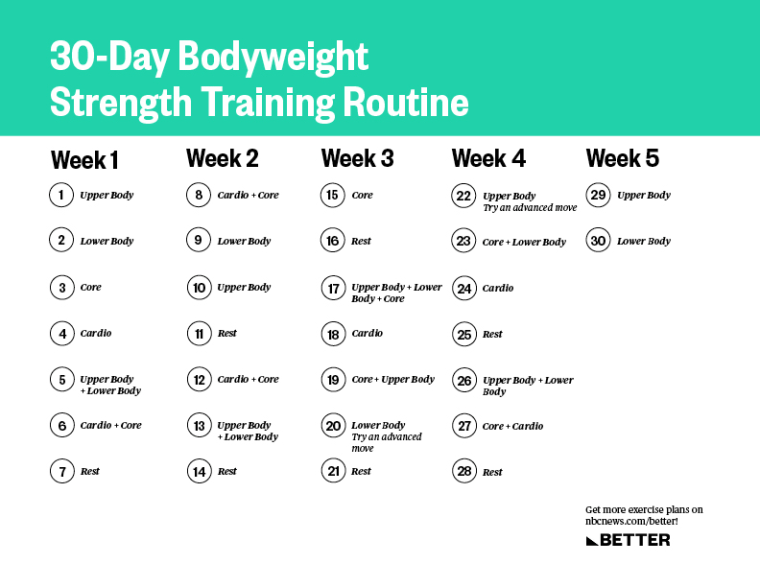


Are you ready to take your fitness into your own hands? A weekly home workout schedule is one of the best ways to stay consistent, build healthy habits, and see real results — all from the comfort of your space. Whether you’re a beginner or experienced exerciser, this guide walks you through a balanced, effective plan.
In this article we’ll cover:
- Why you need a home workout schedule
- How to structure your weekly plan
- Detailed day‑by‑day activities
- Recovery and nutrition tips
- Modifications for different fitness levels
Why a Weekly Home Workout Schedule Works
Having a weekly home workout schedule isn’t just about discipline — it’s about smart planning. A schedule:
- Eliminates uncertainty (“What should I do today?”)
- Helps track progress over time
- Balances strength, cardio, mobility, and rest
- Fits around your lifestyle and goals
Consistent movement can boost energy, improve mood, and promote better sleep — all benefits you’ll enjoy without a gym membership.
How to Build Your Weekly Home Workout Schedule
Before we dive into the actual schedule, it’s essential to understand the structure.
Set Your Weekly Goals
Identify what you want:
- Lose weight
- Build strength
- Improve mobility
- Enhance endurance
Your goals will influence how intense your workouts should be. Beginners may prioritize form and consistency, while advanced grinders can focus on volume and intensity.
Tools You’ll Need
Most workouts can be done with:
- A yoga mat
- Resistance bands
- Dumbbells (optional)
- Sturdy chair or step
No fancy equipment is required — that’s the beauty of home workouts!
Weekly Home Workout Schedule (Day by Day)
Here’s a balanced template designed for all fitness levels. Adjust intensity and duration based on your current fitness.
🗓 Monday — Full‑Body Strength
Start the week strong with a total‑body resistance session.
Warm‑Up (5–10 min):
- Jumping jacks
- Arm circles
- High knees
Workout (30 mins):
| Exercise | Reps/Sets |
|---|---|
| Squats | 3×12 |
| Push‑ups | 3×10 |
| Bent‑over rows (bands or dumbbells) | 3×12 |
| Glute bridges | 3×15 |
| Plank | 3×45 sec |
Benefits: Strengthens major muscle groups and boosts metabolism.
🗓 Tuesday — Cardio & Core
Heart health and stamina take center stage.
Warm‑Up (5 min): Light jogging or brisk marching in place
Workout (25–35 mins):
- 30 sec burpees
- 1 min rest
- 1 min mountain climbers
- 1 min high knees
- 30 sec rest
- Repeat 4 rounds
Core Finisher:
- Bicycle crunches • 3×20
- Leg raises • 3×12
Benefits: Burns calories and builds a strong midsection.
🗓 Wednesday — Active Recovery
Active recovery helps your body repair and strengthen.
Activities:
- Light stretching
- Yoga flow (15–20 min)
- Slow walking
Tip: For guided yoga, see our linked post: Beginner Yoga Sequence for Flexibility
Benefits: Reduces muscle stiffness and improves flexibility without taxing your energy.
🗓 Thursday — Lower Body Focus
Target legs and glutes for strength and stability.
Warm‑Up (5–10 min): Leg swings, hip circles
Workout (30 mins):
- Lunges 3×12 each leg
- Calf raises 3×20
- Wall sit 3×45 sec
- Single‑leg deadlift 3×10
Benefits: Enhances balance and builds strong lower muscles.
🗓 Friday — Upper Body Focus
Finish the workweek with upper body strength and posture work.
Warm‑Up: Shoulder rolls, arm swings
Workout (30 mins):
- Chair dips 3×12
- Resistance band pull‑aparts 3×15
- Superman holds 3×12
- Arm raises 3×15
Benefits: Improves posture and upper body strength.
🗓 Saturday — Fun Cardio
Keep movement enjoyable.
- Dancing session (30 minutes)
- Jump rope intervals
- Bike ride or outdoor walk
Benefits: Adds variety and makes fitness fun!
🗓 Sunday — Rest & Recharge
Rest is just as important as exercise.
- Take time to relax
- Gentle stretching if needed
- Prepare meals for the upcoming week
Benefits: Prevents burnout and promotes muscle growth.
Tips to Stick With Your Schedule
Staying consistent is the biggest challenge for most people. Here’s how to win:
1. Put It on Your Calendar
Treat workouts like appointments — non‑negotiable.
2. Track Progress
Keep a simple journal with reps, weights, and how you feel.
3. Stay Accountable
Share your goals with a friend or join a community. Read How to Stay Motivated in Fitness for more tips.
4. Listen to Your Body
If you’re sore, adjust your workout or switch to active recovery.
Modifications for Different Fitness Levels
Everyone starts somewhere. Here’s how to tailor the schedule:
Beginner
- Reduce reps by ~25%
- Take longer rests
- Focus on form
Recommended entry‑level plan: Beginner Home Workout Routine (No Equipment)
Intermediate
- Follow the full schedule
- Add resistance bands or light dumbbells
Advanced
- Increase intensity by shortening rest
- Add HIIT segments
- Use heavier weights
Nutrition Tips to Complement Your Weekly Home Workout
Great workouts deserve great fuel. Here’s how to support your exercise with nutrition:
Hydration
- Drink water before, during, and after workouts
- Aim for at least 2–3 liters daily
Protein
Protein supports muscle repair. Include:
- Eggs
- Greek yogurt
- Beans and lentils
- Lean meats or tofu
Balanced Meals
Each meal should include:
- Protein
- Complex carbs
- Healthy fats
- Vegetables
Looking for meal ideas? Try our Healthy Meal Plan for Fitness Goals.
The Importance of Rest and Recovery
Rest isn’t time off — it’s part of your progress. Here’s why it matters:
- Helps muscles repair
- Reduces inflammation
- Prevents overtraining
Use Sundays and active recovery days for gentle movement and self‑care.
Troubleshooting: Overcoming Common Obstacles
“I don’t have time.”
Try short sessions (15–20 minutes) in the morning or during lunch.
“I’m not seeing results.”
Check your nutrition and sleep — those impact progress as much as workouts.
“I get bored.”
Rotate exercises or add new music playlists to stay inspired.
Wrap‑Up: Make Fitness a Habit
A weekly home workout schedule doesn’t have to be complicated or intimidating. With consistency, balanced planning, and small daily wins, you can build strength, improve health, and feel better than ever — all from home.
Ready to start? Print your schedule, pin it up, and let’s go!
Frequently Asked Questions
Q: Do I need equipment for this schedule?
A: No — most exercises use bodyweight or simple items like bands.
Q: How long before I see results?
A: Many notice improvements in energy and mood within 2–3 weeks.
Q: Can I repeat this schedule every week?
A: Yes! Adjust intensity as you improve.