


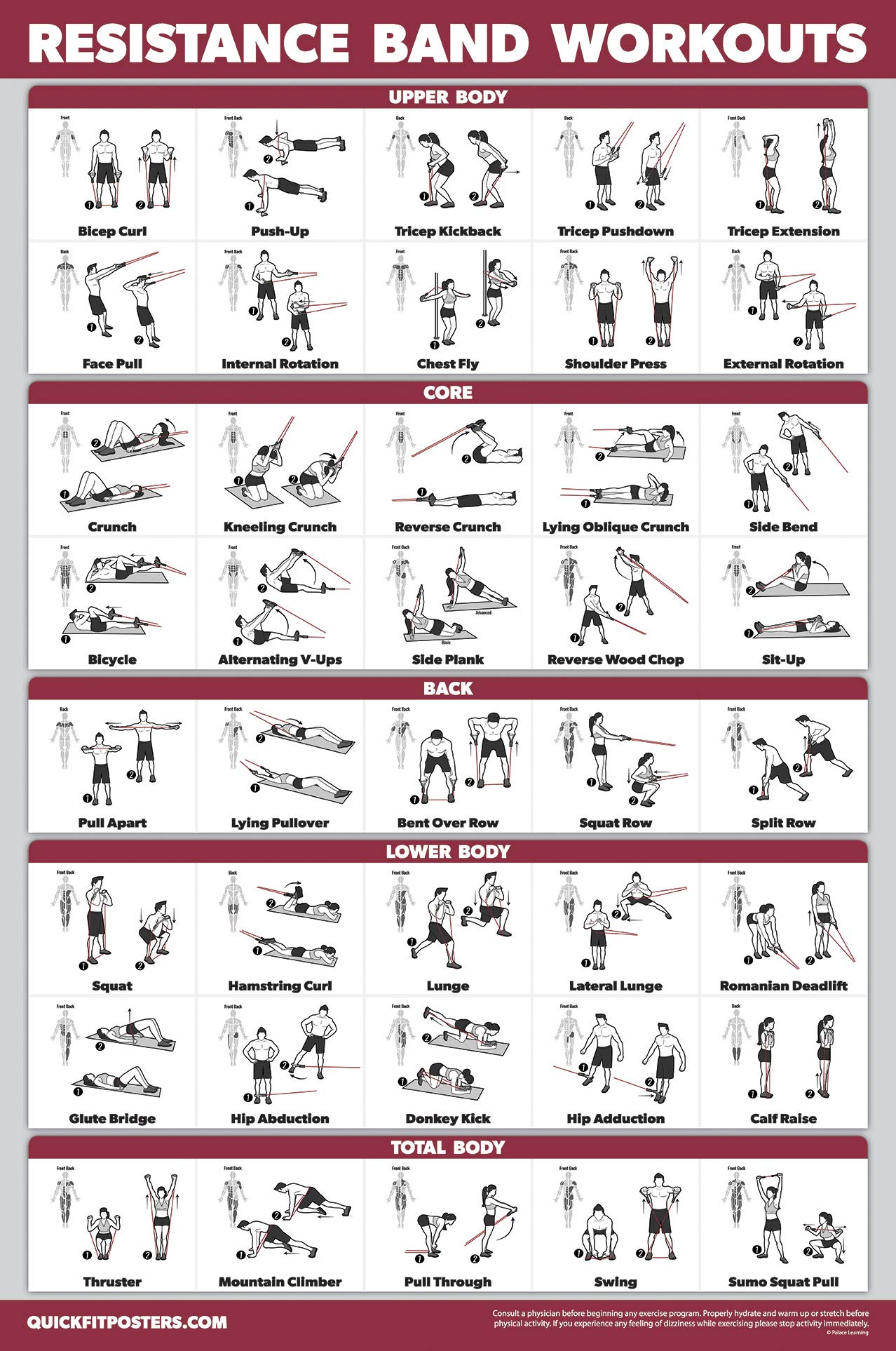
Resistance bands are one of the most effective—and affordable—fitness tools available today. Whether you’re a beginner, intermediate, or advanced athlete, resistance band training boosts strength, flexibility, mobility, and muscle tone. In this Resistance Band Workout Guide, we’ll cover everything from benefits and exercise breakdowns to workout plans you can do anywhere.
Why Choose Resistance Bands?
Resistance bands aren’t just portable—they’re incredibly versatile. Here’s what makes them a must‑have fitness tool:
🔹 Adjustable Resistance Levels
Bands range from light to heavy tension, accommodating progression without investing in expensive machines or weights.
🔹 Joint-Friendly Training
Perfect for anyone rehabilitating from injury or with joint discomfort, resistance bands reduce stress while maintaining intensity.
🔹 Full‑Body Workout Anywhere
From your living room to a hotel room, these bands let you get a complete session in without bulky equipment.
👉 If you’re interested in other equipment‑free workouts, check out our Ultimate Home Workout Routines page.
Types of Resistance Bands
Resistance bands come in several forms. Understanding them helps you choose the best for your goals.
1. Loop Bands
Thick, continuous loops great for lower‑body workouts like squats, hip lifts, and lateral walks.
2. Tube Bands with Handles
Often more comfortable for upper‑body exercises like presses, rows, and curls.
3. Fabric Resistance Bands
Popular for glute and leg work, they provide firm resistance without bouncing or rolling.
4. Therapy Bands
Flat bands used for mobility, stretching, and rehabilitation exercises.
How Resistance Bands Work
Resistance bands create tension through stretch, which means the more you pull, the greater the resistance. Unlike free weights that use gravity, bands work throughout the entire range of motion.
This leads to:
- Increased muscle activation
- Improved stability and balance
- Greater functional strength
- Enhanced neuromuscular control
Resistance Band Warm‑Up (5–7 Minutes)
Before you jump into exercises, warm up your muscles.
- Shoulder Rolls – 30 seconds
- Band Pull‑Apart Warm‑Up – 15 reps
- Leg Swings – 10 each leg
- Ankle Bands for Mobility – 10 each side
Warming up increases blood flow, reduces risk of injury, and primes your nervous system for strength work.
Full‑Body Resistance Band Workout
This section contains effective exercises you can perform with resistance bands. Aim for 2–3 rounds depending on your fitness level.
💪 Upper Body Exercises
1. Resistance Band Chest Press
- Anchor band behind you
- Step forward, feet shoulder‑width apart
- Press forward until arms are extended
- Reps: 12–15
2. Banded Row
- Anchor band at chest height
- Pull toward your torso, squeezing shoulder blades
- Reps: 12–15
3. Shoulder Press
- Step on band with both feet
- Press handles overhead slowly
- Reps: 10–12
🏋️ Lower Body Exercises
1. Banded Squats
- Loop band just above knees
- Sit back into squat, knees push outward
- Reps: 15
2. Resistance Band Glute Bridges
- Band above knees
- Drive hips up, squeeze glutes
- Reps: 15–20
3. Lateral Band Walks
- Band around ankles
- Step side‑to‑side, keeping tension
- Reps: 10 each side
Resistance Band Core Training
1. Banded Plank Pull
- In plank, place band around wrists
- Slide hands outward and inward
- Duration: 30–45 seconds
2. Standing Oblique Twist
- Anchor band at waist level
- Rotate torso against resistance
- Reps: 15 each side
Weekly Resistance Band Workout Plan
Here’s a sample weekly schedule to help you stay consistent.
| Day | Focus |
|---|---|
| Monday | Full‑body resistance band strength |
| Tuesday | Active recovery + stretching |
| Wednesday | Upper Body Resistance Bands |
| Thursday | Lower Body Resistance Bands |
| Friday | Core + HIIT with bands |
| Saturday | Flexibility & mobility |
| Sunday | Rest or light walk |
👉 Want a printable version? Visit our Free Workout Printables page.
Tips for Resistance Band Success
✔ Progress your resistance — once sets feel easy, move to a higher‑tension band.
✔ Control every rep — don’t let the band snap back.
✔ Maintain posture — keep shoulders down and core tight.
✔ Mix modalities — combine bands with weights for advanced routines.
Safety First: Common Mistakes to Avoid
❌ Using a Band That’s Too Weak
You want enough tension where the final reps challenge you.
❌ Poor Anchor Points
Always secure bands properly—use doors, poles, or specialized anchors to avoid snapping.
❌ Rushing Through Reps
Slow, controlled movements ensure muscle engagement and prevent injury.
Resistance Bands for Weight Loss
Resistance band training burns calories and builds muscle, which in turn elevates your resting metabolic rate. If weight loss is your goal, pair your routines with:
- Balanced nutrition
- Cardio sessions (e.g., walking, cycling)
- Proper hydration
Explore our Nutrition for Fat Loss Guide for meal plans and tips.
Frequently Asked Questions
Are resistance bands good for beginners?
Yes! They’re beginner‑friendly and adaptable to your current strength.
Can resistance bands replace weights?
For many people, yes. Bands provide continuous tension and work muscles differently than free weights.
How often should I train with bands?
3–5 times per week depending on your fitness level.
Conclusion
Resistance bands are one of the most versatile tools you can add to your fitness regimen. They’re effective for strength, mobility, flexibility, and rehabilitation. With the workouts and tips in this guide, you have everything you need to build a strong, balanced body without needing a gym membership.


Ready to start today? Bookmark this Resistance Band Workout Guide or pin it for quick access during your next session!