


Stress is an unavoidable part of modern life. Whether it’s pressures at work, family responsibilities, health concerns, or just the pace of everyday living, stress can accumulate and affect your physical and emotional health. The good news? There are natural ways to reduce stress that don’t involve medication, expensive therapies, or complex routines.
In this guide, we’ll explore proven methods for reducing stress naturally and sustainably. From lifestyle habits to mind‑body practices, you’ll find practical steps you can implement today.
Why Reducing Stress Naturally Matters
Stress isn’t just a feeling — it has real impacts on your body and mind. Chronic stress is linked to:
- Anxiety and depression
- High blood pressure
- Weakened immune function
- Sleep disturbances
- Digestive problems
Reducing stress naturally enhances your overall quality of life. More importantly, it builds resilience, improves emotional well‑being, and promotes long‑term health.
H2: Understand What Causes Your Stress
Before you can reduce stress, you need to know what triggers it. Stress triggers vary widely among individuals, but common sources include:
- Workload and deadlines
- Relationship tensions
- Financial worries
- Lack of sleep
- Major life changes
A great first step is to identify patterns in your stress. You might notice that specific people, situations, or times of day trigger more tension. Once you understand these patterns, you can begin to change how you respond to them.
👉 Want more on identifying stress triggers? See our article on How to Improve Mental Health Naturally.
H2: 1. Practice Mindful Breathing
Our breath is an easy entry point to relax both body and mind. Deep breathing stimulates the parasympathetic nervous system — the part of your nervous system responsible for rest and recovery.
H3: How to Do Mindful Breathing
- Sit or lie down comfortably.
- Inhale slowly through your nose for 4 seconds.
- Hold your breath for 2 seconds.
- Exhale gently through your mouth for 6 seconds.
- Repeat for 5–10 minutes.
This simple practice can be done anywhere — at work, before sleeping, or anytime you feel overwhelmed.
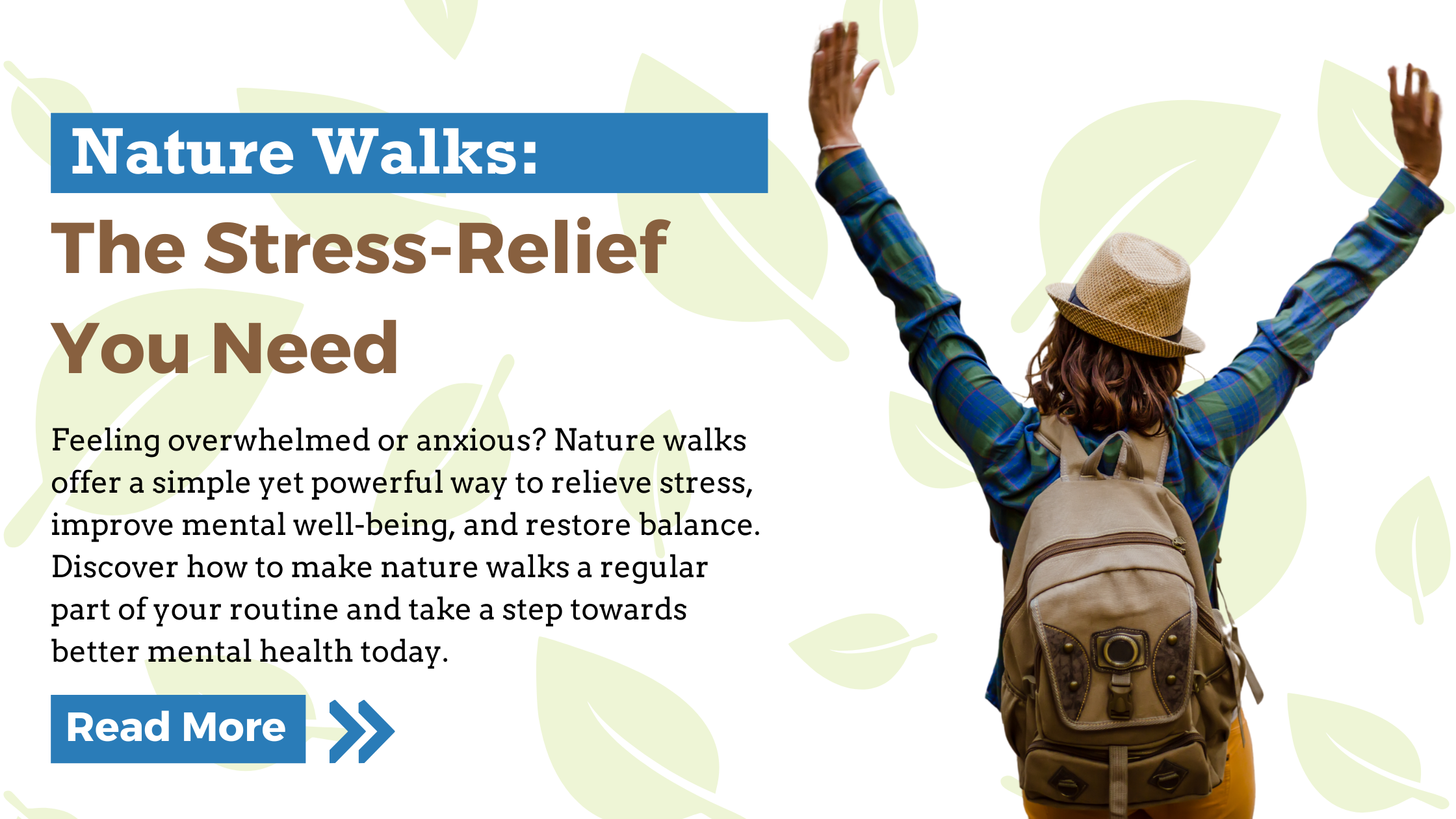
H2: 2. Walk in Nature



Research consistently shows that spending time in nature reduces stress hormones, lowers heart rate, and improves mood. A short walk through a forest, beach, park, or any green space can help reset your nervous system.
H3: Why It Works
Natural environments:
- Reduce cortisol (the stress hormone)
- Improve concentration and mood
- Encourage physical movement
- Provide soothing sensory input
Try to spend 20–30 minutes outdoors every day — even if it’s just around your neighborhood.
H2: 3. Move Your Body Regularly
Physical activity is one of the most effective natural stress reducers. Exercise releases endorphins — feel‑good chemicals that increase happiness and reduce pain.
H3: Best Low‑Stress Activities
You don’t have to run a marathon! Gentle exercises that reduce stress include:
- Yoga
- Stretching
- Swimming
- Cycling
- Dancing
- Tai Chi
Find something you enjoy — consistency matters more than intensity.
👉 Check out our post on Healthy Daily Habits for a Balanced Life for more movement ideas.
H2: 4. Prioritize Sleep
Lack of quality sleep increases stress and makes it harder to cope with daily challenges. A restful night helps your brain reset and manage stress more effectively.
H3: Tips for Better Sleep
- Go to bed and wake up at the same time each day
- Avoid screens 60 minutes before bedtime
- Keep your bedroom cool and dark
- Practice a calming bedtime routine (e.g., reading or warm tea)
- Avoid caffeine late in the day
Quality sleep should be a foundational part of your stress reduction plan.
H2: 5. Eat Stress‑Reducing Foods
Your diet plays a major role in how your body responds to stress. Certain foods nourish the brain and nervous system while reducing inflammation — a physical contributor to stress.
H3: Foods That Help Reduce Stress
- Fatty fish (salmon, sardines) for omega‑3s
- Leafy greens (spinach, kale) for magnesium
- Berries for antioxidants
- Nuts and seeds for healthy fats
- Herbal teas (chamomile, peppermint) for calming effects
Avoid refined sugar, excessive caffeine, and processed foods — they can spike anxiety and disrupt your hormones.
H2: 6. Cultivate Mindfulness and Meditation
Meditation and mindfulness help you observe your thoughts without judgment. Over time, this practice reduces reactivity and builds emotional stability.
H3: How to Get Started
- Sit comfortably in a quiet place
- Close your eyes
- Focus on your breath or a calming sound
- Notice thoughts without attaching to them
- Practice for 5–15 minutes daily
Meditation apps and guided recordings can support beginners as they learn to calm the mind.
H2: 7. Connect With Others
Emotional support is a powerful buffer against stress. Strong social connections improve resilience, reduce feelings of loneliness, and promote mental health.
H3: Ways to Connect
- Call or meet a friend
- Join a hobby group or community class
- Volunteer for causes you care about
- Spend quality time with family
Human connection releases oxytocin — the “feel‑good” hormone that counteracts stress.
H2: 8. Use Journaling to Process Emotions
Writing down your thoughts can clarify your feelings and reduce mental clutter. Journaling helps you:
- Track stress triggers
- Explore emotional patterns
- Set intentions and goals
- Release tension
Start with 5–10 minutes daily. You can write about your day, what you’re grateful for, or what you’re feeling right now.
H2: 9. Limit Stressors That You Can Control
Not all stress is avoidable, but some sources are manageable. For example:
- Reduce news overload
- Set boundaries at work
- Declutter your environment
- Say no to excessive commitments
Taking control of your schedule and surroundings reduces unnecessary stress.
H2: 10. Practice Gratitude Daily
Gratitude shifts your focus from stress to positivity. When you consciously acknowledge the good in your life, your brain becomes more resilient.
H3: Simple Gratitude Practice
Each day, write down:
- 3 things you’re grateful for
- One positive thing that happened today
- One strength you showed
This small habit rewires your mind toward optimism — a natural stress buffer.
H2: Final Thoughts: Your Natural Stress Relief Toolbox
Everyone experiences stress — but you don’t have to let it control your life. By integrating these natural stress‑reduction techniques, you empower your body and mind to respond with calm, clarity, and confidence.
Here’s a quick summary of what you can start today:
✅ Take deep breaths when overwhelmed
✅ Walk outdoors daily
✅ Move your body in ways you enjoy
✅ Improve your sleep and diet
✅ Practice mindfulness and connect with others
✅ Journal and express gratitude
If you’d like more wellness tips, check out our posts on:
- 👉 Natural Ways to Boost Energy
- 👉 How to Improve Mental Health Naturally
- 👉 Healthy Daily Habits for a Balanced Life
Natural stress relief doesn’t happen overnight, but consistent small changes lead to big results. Start with one technique today — your mind and body will thank you.