
Good mental health isn’t reserved for a lucky few—it’s something you can cultivate intentionally every day. Just as physical health improves through regular exercise and nutrition, mental health flourishes when supported by positive habits. In this article, we’ll explore science‑backed daily habits that strengthen emotional resilience, reduce stress, and enhance overall well‑being.
Whether you’re looking to lift your mood, improve focus, or manage anxiety, these actionable daily practices can make a real difference.
Why Daily Habits Matter for Mental Health
Mental health doesn’t change overnight. Small, consistent actions—when practiced daily—create powerful shifts in brain chemistry, stress response, and emotional regulation.
Daily habits help:
- Regulate mood and emotions
- Build resilience against stress
- Boost confidence and self‑esteem
- Improve sleep and cognitive performance
- Reduce symptoms of anxiety and depression
Recent research shows that routines anchored in self‑care and mindful intention can decrease cortisol (the stress hormone) and increase serotonin and dopamine (mood‑regulated neurotransmitters). Over time, this fosters a more stable, positive internal environment.
Morning Rituals That Set the Tone for the Day
Starting your day with intention creates emotional stability and improves productivity.
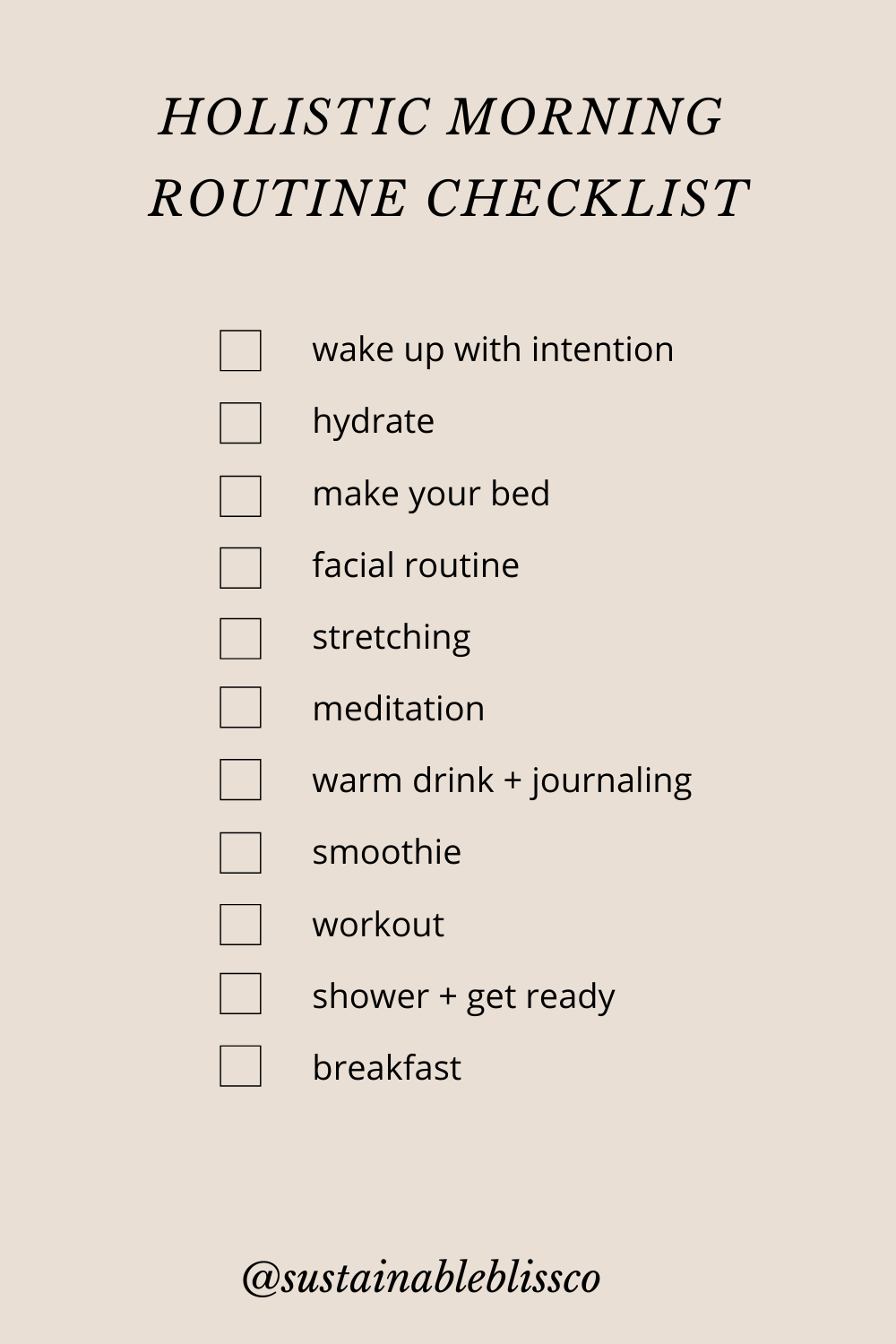
🌅 1. Wake Up at a Consistent Time
A consistent wake‑up schedule helps regulate your body clock. This not only improves sleep quality but also steadies your energy and mood during the day.
Tip: Set your alarm 15 minutes earlier than usual today just to begin a mindful morning.
🧘♀️ 2. Practice Morning Mindfulness or Meditation
Silence or conscious breathing in the morning resets the nervous system and reduces anxiety. In just 5–10 minutes you can:
- Center your thoughts
- Calm emotional reactivity
- Increase focus
Try guided meditations or breathing apps to help you start.
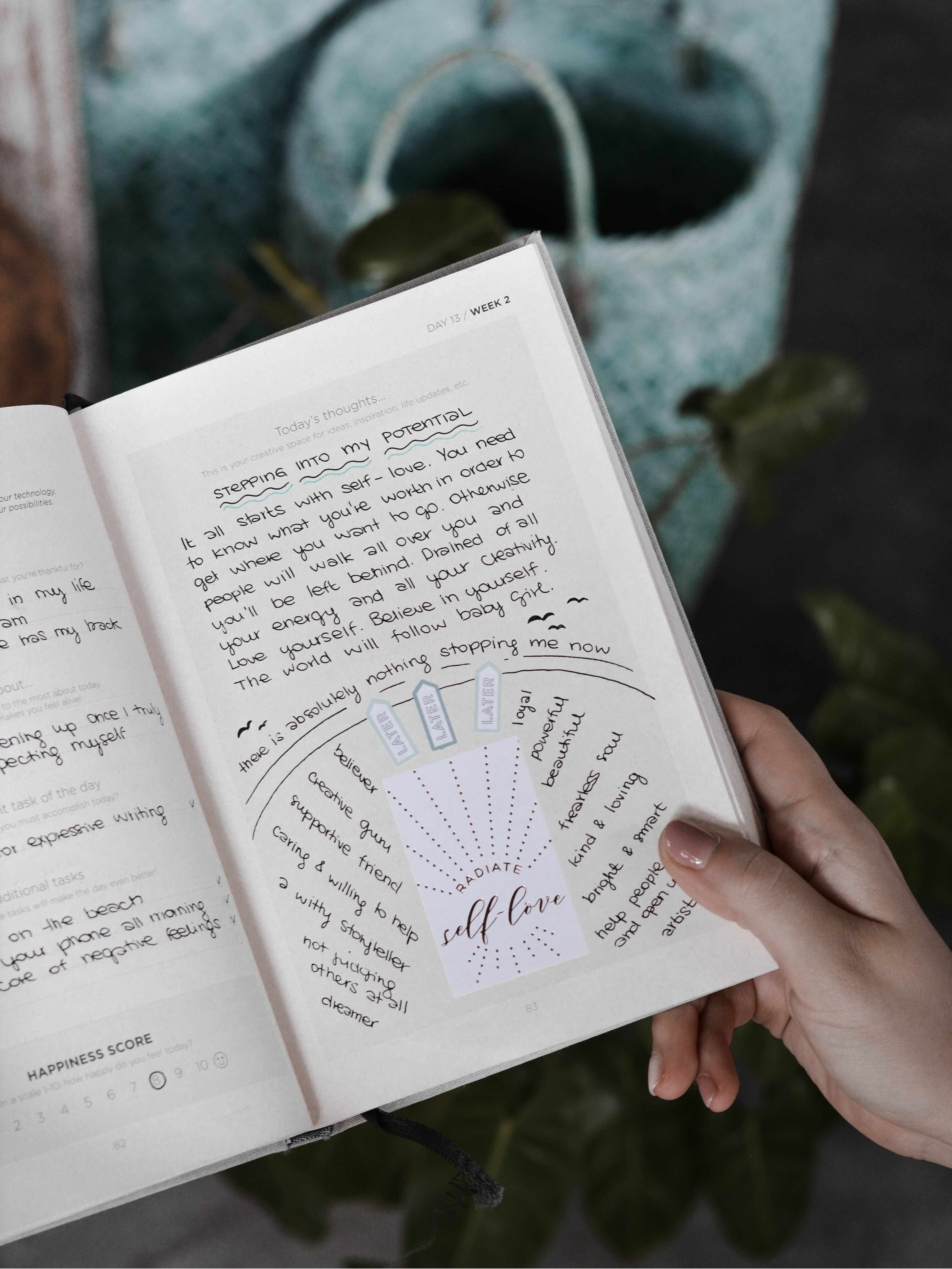
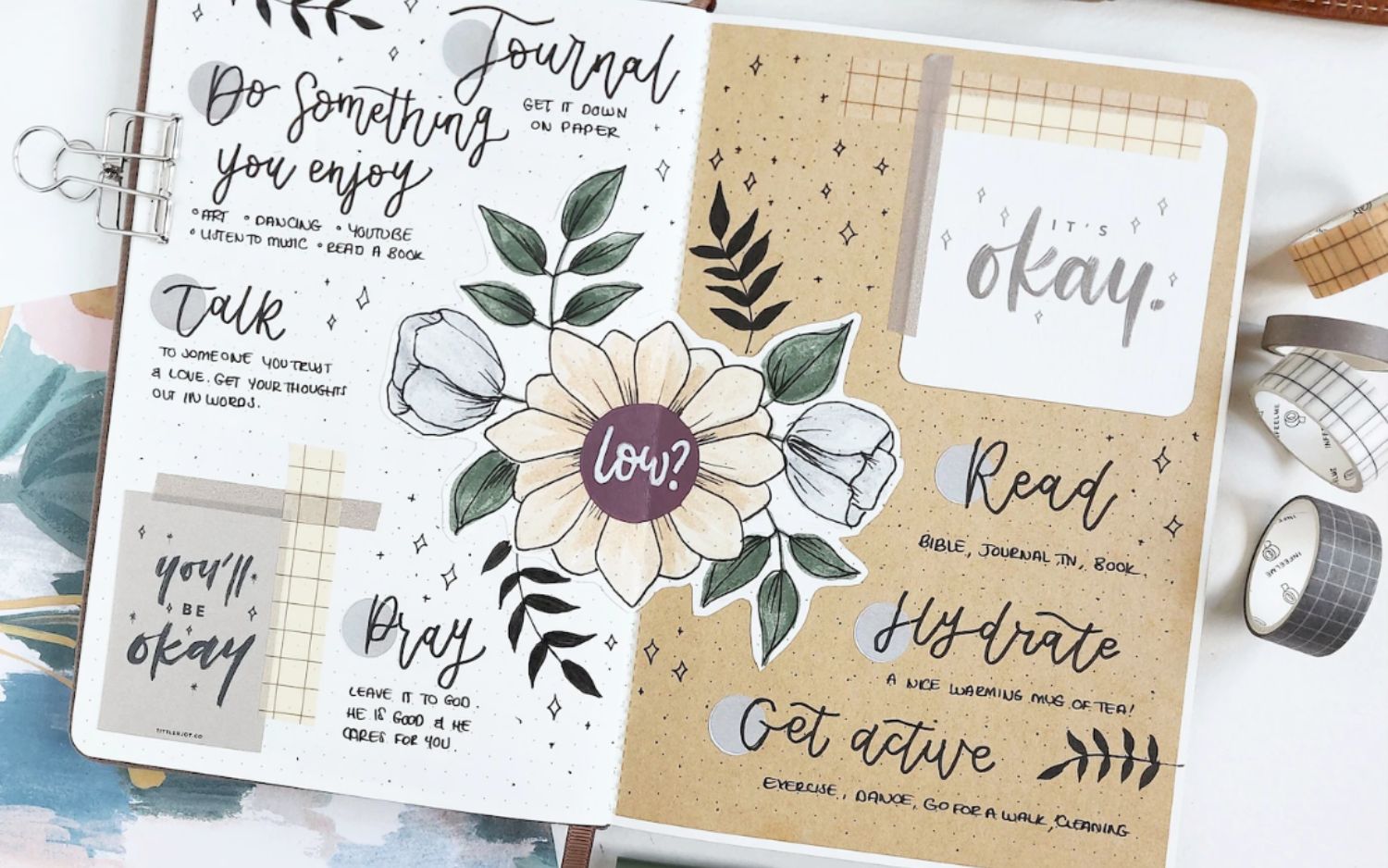
📝 3. Journal Before Anything Else
Writing your thoughts first thing can clarify your mind and reduce internal noise. Try:
- Gratitude journaling
- Expressive writing for your emotions
- Setting 3 daily intentions
For more on journaling benefits, see How Journaling Improves Mental Clarity.
Habits for a Balanced and Healthy Mind
Below are practical habits you can integrate throughout your day to support your mental well‑being.
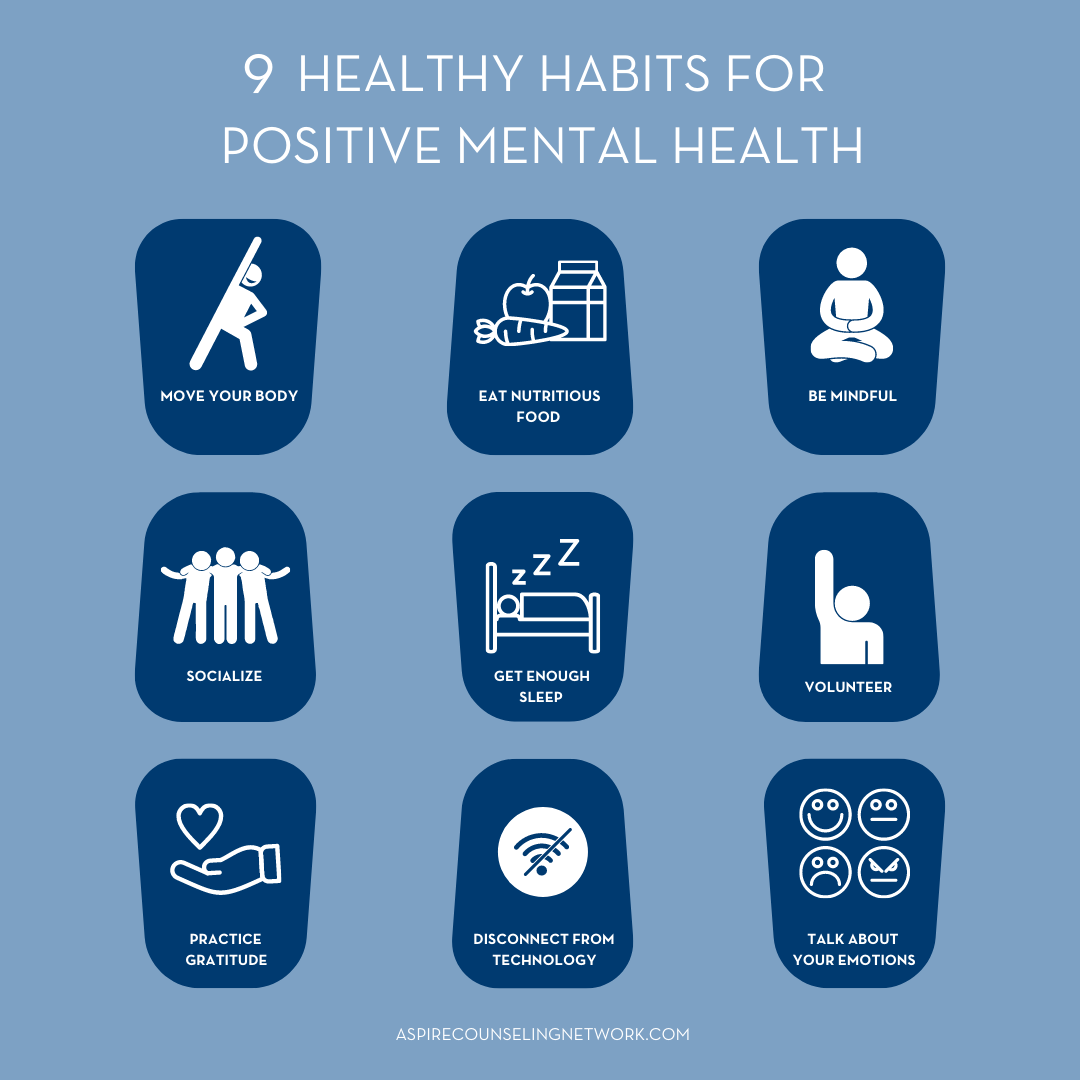
🌿 1. Move Your Body Daily
Physical movement doesn’t require a gym membership. Regular exercise promotes endorphins—natural stress fighters that combat anxiety and depression.
- Walk in nature for 20 minutes
- Try yoga or stretching
- Dance to music
- Practice light resistance exercises
Movement also increases blood flow to the brain, which enhances memory and creative thinking.
🍎 2. Nourish Your Brain with Healthy Food
Your brain needs fuel. Nutrient‑rich foods support stable energy and emotional balance.
Foods That Boost Mental Health:
- Leafy greens (spinach, kale)
- Nuts and seeds
- Omega‑3 rich fish (salmon, sardines)
- Dark chocolate (in moderation)
- Fermented foods (yogurt, kimchi)
Avoid excessive sugar and processed foods—these can spike mood swings and energy crashes.
💧 3. Hydrate Frequently
Dehydration isn’t just physical—it affects your mood and cognitive clarity. Aim for 8–10 glasses of water daily. If you struggle to drink water:
- Add slices of lemon, cucumber, or mint
- Use smart reminders on your phone
🌟 4. Limit Screen Time and Digital Overload
Screens, especially social media, are linked with increased anxiety, comparison thinking, and poor sleep.
Ways to reduce digital stress:
- Set screen‑free hours
- Turn off push notifications
- Avoid social media before bed
For ideas on managing digital habits, explore Digital Detox Tips that Work.
🌤 Afternoon Habits That Promote Peace
Your afternoon can either drain or restore your energy—here are habits that help recharge your mind.
☕ 1. Take Short Breaks
Every 90 minutes, pause for:
- A brief walk
- Deep breaths
- Stretching
These “mini‑resets” reduce stress and improve focus.
📚 2. Learn or Read Something New
Reading stimulates the mind, builds empathy, and offers stress relief. Even 10 minutes of reading daily can improve mental stamina and creativity.
🌆 Evening Routines for Restful Sleep and Emotional Balance
How you end your day matters just as much as how you start it.
🛌 1. Unwind Before Bed
Create a bedtime ritual:
- Dim lights
- Drink herbal tea
- Gentle stretching
- Guided relaxation
Consistent routines signal your brain that it’s time to rest.
📵 2. Turn Off Electronics 1 Hour Before Sleep
Blue light suppresses melatonin—the hormone that helps you fall asleep. Try:
- Reading a book
- Having a bath
- Journaling about your day
Good sleep equals better emotional regulation.
😴 3. Reflect on Your Day
End your day with:
- 3 things you’re grateful for
- Wins (big or small)
- What you learned
Gratitude rewires your brain to see more positive experiences.
Weekly Practices That Support Mental Health
Some habits don’t need to be daily but are powerful when practiced regularly.
🧑🤝🧑 1. Connect with Someone You Trust
Human connection is vital. Schedule:
- A phone call
- Coffee with a friend
- Weekly check‑ins with family
Social support boosts resilience and happiness.
🌳 2. Spend Time Outdoors
Research links nature exposure with reduced stress, improved mood, and enhanced focus. Aim for:
- Weekend hikes
- Gardening
- Outdoor picnics
Taking the First Step: Build Habits That Stick
Most of these daily habits are simple, but consistency is key. Start with one or two and gradually layer new ones in.
Pro Tips to Stay Consistent:
- Use habit‑tracking apps
- Pair new habits with existing routines
- Reward yourself for progress
- Be compassionate with setbacks
Remember: A habit isn’t built in a day, but every day counts.
Frequently Asked Questions (FAQ)
❓ How Soon Will I Feel a Difference in My Mental Health?
Changes depend on consistency. Some people notice improved mood within a week, while deeper emotional healing may take months. Be patient and stay committed.
❓ What If I Miss a Day?
Missing a day isn’t failure. Mental health habits are long‑term commitments. Acknowledge it, reset, and continue.
❓ Do I Need Professional Help Alongside These Habits?
Yes—daily habits are supportive tools, not substitutes for clinical care. If you struggle with persistent depression, anxiety, or trauma, seeking a mental health professional is important.
Final Thoughts
Better mental health starts with intentional choices—small actions that empower you every day. By adopting even a few of the habits shared above, you can:
- improve emotional balance
- reduce stress
- strengthen resilience
- and live a more fulfilling life