
How Platforms Shape Our Minds — And What You Can Do About It
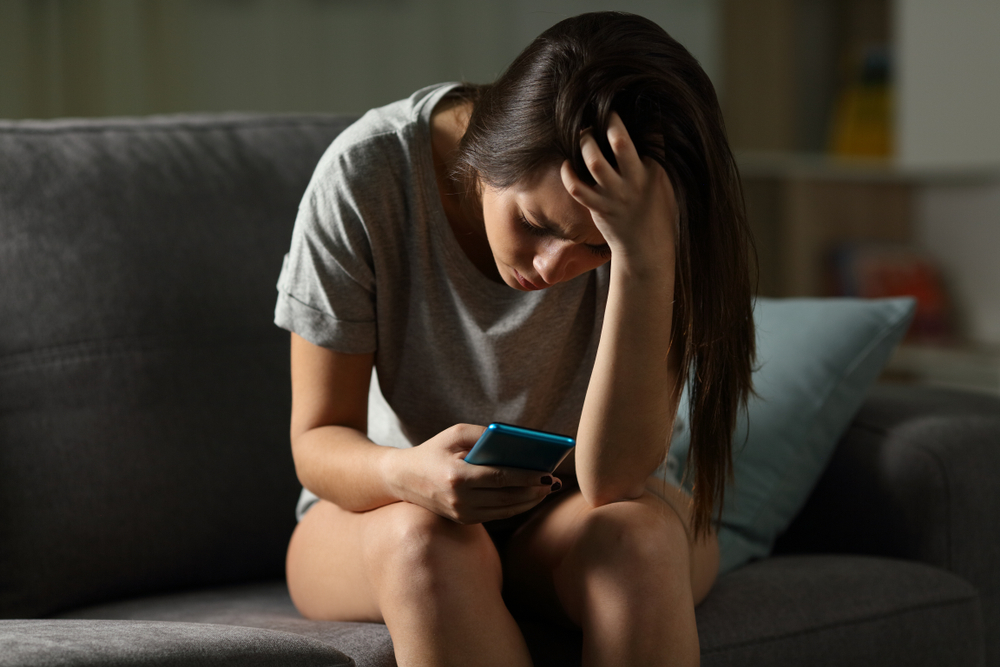

In today’s digital age, social media is more than a trend — it’s woven into the fabric of daily life. Whether it’s scrolling through Instagram, posting on TikTok, commenting on Twitter, or sharing life moments on Facebook, social media platforms have transformed the way we communicate, connect, and consume information.
But with these benefits comes an important question:
What impact does social media have on our mental health?
In this article, we’ll explore the good, the bad, and the actionable steps you can take to protect your well‑being in a world that lives online.
🔍 What Is the Relationship Between Social Media and Mental Health?
📱 The Positive Side of Social Media
Social media isn’t inherently harmful. In fact, it offers several psychological benefits, such as:
- Community and belonging: Groups focused on shared hobbies, health journeys, or life experiences can reduce feelings of isolation.
- Access to support: Many users find emotional support through online communities, especially for topics that are stigmatized offline.
- Creative expression & empowerment: Platforms give voice to creators, activists, and thinkers around the world.
👉 See more about this balance in our post on Digital Well‑Being Tips for Everyday Life.
⚠️ The Downsides of Social Media Use
At the same time, research shows that excessive social media use can be linked to:
- Increased anxiety and depression
- Sleep disturbances and low self‑esteem
- Fear of missing out (FOMO)
- Cyberbullying and social comparison
A 2018 study found that heavy social media engagement is associated with negative emotional outcomes — especially among teens and young adults.
🧠 How Social Media Can Affect Mental Health
To fully grasp the scope of the issue, let’s break down the psychological mechanisms at play.
📊 1. Comparison Culture
Seeing curated highlight reels of other people’s lives can lead to constant comparison. We might unconsciously ask:
“Why don’t my photos look that good?”
“Why isn’t my life that exciting?”
This downward comparison loop can reduce self‑esteem and increase anxiety.
⚡ 2. Dopamine & Instant Feedback
Likes, comments, and shares trigger a release of dopamine, a neurotransmitter linked to pleasure and reward. This creates a feedback cycle:
Post → Get Likes → Feel Good → Post Again
Over time, the brain can begin to expect these rewards, influencing behavior and mood regulation.
🚫 3. Fear of Missing Out (FOMO)
FOMO creates anxiety about being “out of the loop” socially. When others appear to be having more fun, or doing more exciting things, it can make users feel left behind — even if it’s just perception.
🧩 Teens, Adults, and Different Age Groups
👶 Adolescents & Young Adults
Young people are especially vulnerable because their brains are still developing in areas related to impulse control, identity, and emotional regulation.
A WHO report highlighted that excessive screen time and social media use correlates with increased reports of anxiety and depression among teens.
👩💼 Adults and Social Media
Adults often face different pressures — such as career comparison, political stress, or feeling overwhelmed by constant news updates.
➡️ A deeper look at adult digital stress can be found in Managing Online Information Overload.
📢 Social Media, Mental Health, and Identity
For many users, identity exploration and self‑expression happen online. This can be empowering, but also vulnerable, especially when praise or criticism becomes tied to a sense of self‑worth.
The Perils of Seeking Validation
When self‑esteem becomes dependent on likes or comments, emotional well‑being can fluctuate based on external validation — which is unpredictable and often superficial.
📉 Signs That Social Media Is Affecting Your Mental Health
How can you tell if your habits are helping — or hurting — your mental well‑being?
Here are some warning signs:
- You feel worse after scrolling
- You compare yourself to others frequently
- You have trouble sleeping because of phone use
- You feel anxious if you can’t check your accounts
- Social media consumes time you’d rather spend elsewhere
If several of these resonate, it might be time to rethink your relationship with social platforms.
🧠 Practical Tips for Social Media Well‑Being
Here are evidence‑based strategies to promote healthier social media habits:
1. Limit Screen Time
Set daily limits on app usage or schedule specific times for social media breaks.
🎯 Try a dedicated “no‑scroll” hour before bedtime to protect sleep quality.
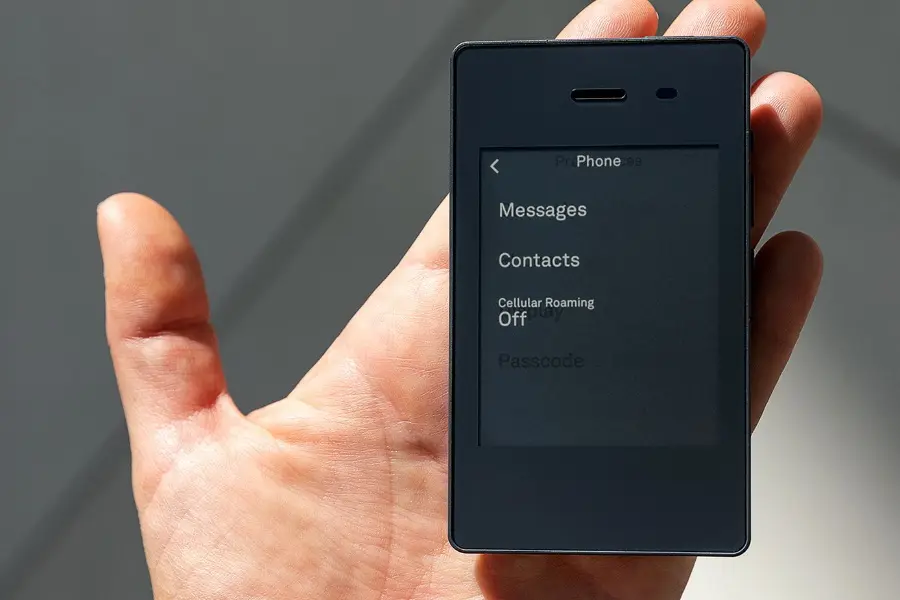
🛠 Actionable Social Media Mental Health Tools
2. Take Digital Detox Days
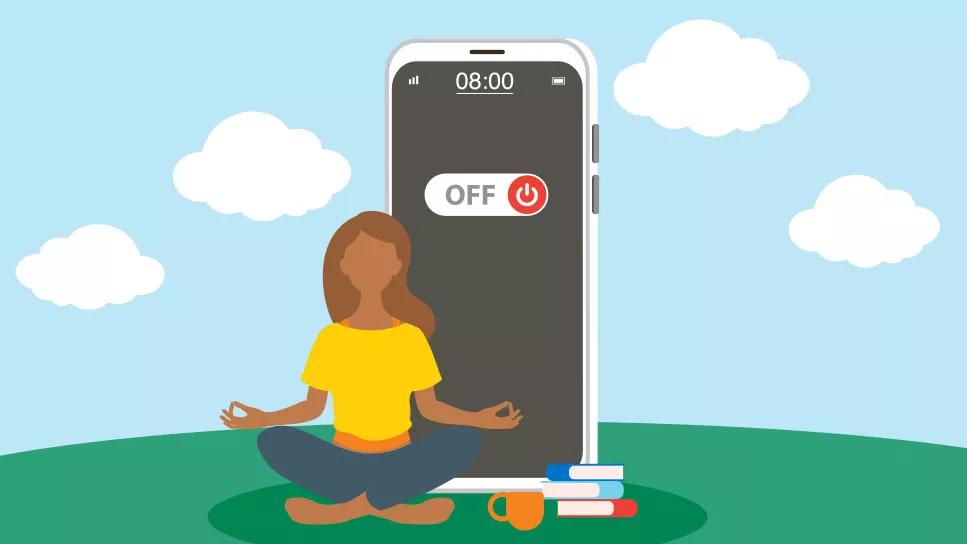
Unplugging for short periods restores focus and reduces stress.
3. Curate Your Feed
Follow accounts that uplift, educate, or inform you positively. Mute or unfollow content that triggers negative emotions.
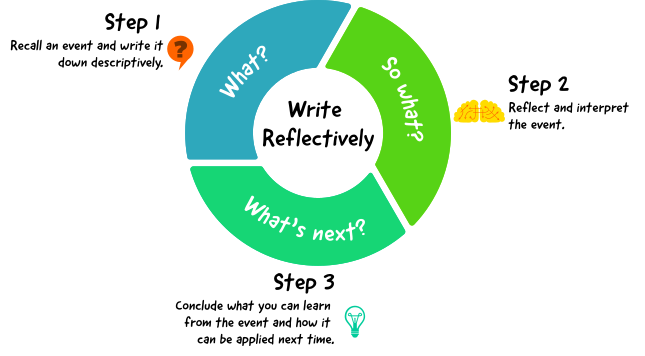
4. Practice Self‑Reflection
Ask yourself:
- “Is this improving my mood?”
- “Does this serve a purpose?”
- “How do I feel after scrolling?”
A simple journal or notes app can help you track patterns.
🧘 Building Healthy Digital Habits
Balance doesn’t happen by accident — it’s intentional.
Here are daily practices you can adopt:
- React less, reflect more
- Create goals for use (instead of scrolling aimlessly)
- Mix online and offline activities
- Choose quality interactions over quantity
- Talk about your digital routines with friends or family
💬 When to Seek Professional Help
Social media can influence mood and thoughts, but it does not cause serious mental health conditions alone. If you find yourself experiencing:
- Persistent sadness
- Loss of interest in daily activities
- Thoughts of harming yourself
- Severe anxiety or panic episodes
…it’s important to reach out to a mental health professional.
See our guide on Recognizing Anxiety vs. Everyday Stress to learn more about when to seek help.
🤝 Final Thoughts: Balancing Social Media & Mental Health
Social media isn’t going away — and it doesn’t have to be the enemy.
Used consciously and intentionally, social platforms can elevate connection, community, and creativity. But unchecked use can also contribute to anxiety, depression, and distraction.
The key lies in awareness.
Ask yourself: Does social media serve me — or do I serve it?
With intentional practices, self‑reflection, and good digital habits, you can maintain both your online presence and your mental wellness.