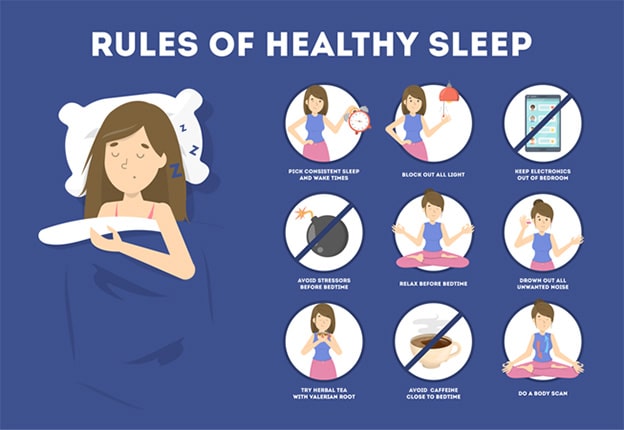
Sleep isn’t just a nightly pause; it’s a vital pillar of mental wellness. Quality sleep affects mood, cognitive performance, emotional stability, and overall brain health. In today’s fast-paced world, poor sleep is increasingly common, leading to stress, anxiety, and even depression. The good news? With intentional habits and strategies, you can significantly improve your sleep and, in turn, your mental wellness.



Why Sleep Matters for Mental Wellness
Sleep affects every aspect of your brain function. When we sleep, the brain consolidates memories, clears toxins, and regulates neurotransmitters that influence mood and stress levels. Lack of sleep is linked to:
- Increased irritability and mood swings
- Heightened anxiety and stress
- Reduced cognitive performance and memory
- Greater risk of depression and other mental health issues
Prioritizing sleep isn’t a luxury; it’s essential for mental wellness. Understanding how to improve sleep is the first step toward better emotional resilience and cognitive clarity.
For those curious about overall wellness habits, check out our guide on healthy lifestyle habits.
Common Sleep Disruptors That Affect Mental Health
Before improving your sleep, it’s important to identify common disruptors:
1. Screen Time Before Bed
Exposure to blue light from phones, tablets, and computers can suppress melatonin production, the hormone responsible for sleep. This leads to delayed sleep onset and poor-quality sleep.
2. Irregular Sleep Schedule
Going to bed and waking up at different times disrupts your circadian rhythm. Maintaining a consistent schedule is critical for restorative sleep.
3. Stress and Anxiety
Racing thoughts and worry can keep your mind active at night. Stress hormones like cortisol can make it difficult to fall asleep or stay asleep.
4. Caffeine and Alcohol
While caffeine stimulates alertness, consuming it late in the day can delay sleep. Alcohol may make you drowsy initially, but it disrupts deep sleep stages, impacting brain recovery.
Understanding these disruptors is key. For more insights on lifestyle impacts, explore our mental wellness tips.
Effective Strategies to Improve Sleep for Mental Wellness
Here are evidence-based strategies to help you sleep better and improve your mental wellness:
H3: 1. Establish a Consistent Sleep Routine
Going to bed and waking up at the same time every day reinforces your body’s natural sleep-wake cycle. Aim for 7–9 hours of sleep per night.
Tips:
- Set a calming pre-bedtime ritual (reading, light stretching, or meditation)
- Avoid sleeping in on weekends by more than an hour
- Use a sleep tracker to monitor consistency
H3: 2. Create a Sleep-Friendly Environment
Your bedroom should be optimized for sleep.
Key Elements:
- Darkness: Use blackout curtains or an eye mask
- Cool Temperature: 60–67°F (15–19°C) is ideal
- Comfortable Bedding: Invest in supportive pillows and mattresses
- Noise Control: Consider earplugs or white noise machines
H3: 3. Mind Your Diet and Lifestyle Choices
Certain habits can enhance or hinder sleep:
- Limit caffeine after mid-afternoon
- Avoid heavy meals right before bedtime
- Reduce alcohol consumption
- Include foods that promote sleep, such as chamomile tea, kiwi, or nuts
H3: 4. Manage Stress and Anxiety
Mindfulness and relaxation techniques can help calm a racing mind:
- Meditation: Practicing even 10 minutes of meditation can improve sleep quality
- Deep Breathing Exercises: Techniques like the 4-7-8 method help relax the nervous system
- Journaling: Writing down worries before bed can reduce nighttime anxiety
Check our detailed guide on stress management techniques for more tips.
H3: 5. Limit Exposure to Blue Light
Blue light from digital devices interferes with melatonin production.
Suggestions:
- Avoid screens at least 1 hour before bed
- Use blue-light-blocking glasses if necessary
- Switch devices to “night mode” in the evening
H3: 6. Incorporate Physical Activity
Regular exercise improves both sleep quality and mental health.
Guidelines:
- Engage in moderate activity most days (walking, cycling, yoga)
- Avoid high-intensity workouts right before bed
- Morning or early afternoon workouts can help regulate circadian rhythm
H3: 7. Seek Professional Help When Needed
If insomnia or sleep disturbances persist, it may indicate an underlying condition like anxiety, depression, or sleep apnea.
- Consult a sleep specialist or mental health professional
- Cognitive-behavioral therapy for insomnia (CBT-I) is highly effective
- Avoid self-medicating with sleep aids without guidance
How Sleep Enhances Mental Wellness
Improving your sleep is directly linked to enhanced mental wellness:
- Mood Regulation: Better sleep reduces irritability and improves emotional resilience
- Cognitive Function: Memory, attention, and decision-making improve with sufficient rest
- Stress Reduction: Quality sleep lowers cortisol and improves overall stress response
- Mental Clarity: Creativity, problem-solving, and learning are enhanced
By improving sleep, you not only feel rested but also strengthen your mind and emotions.


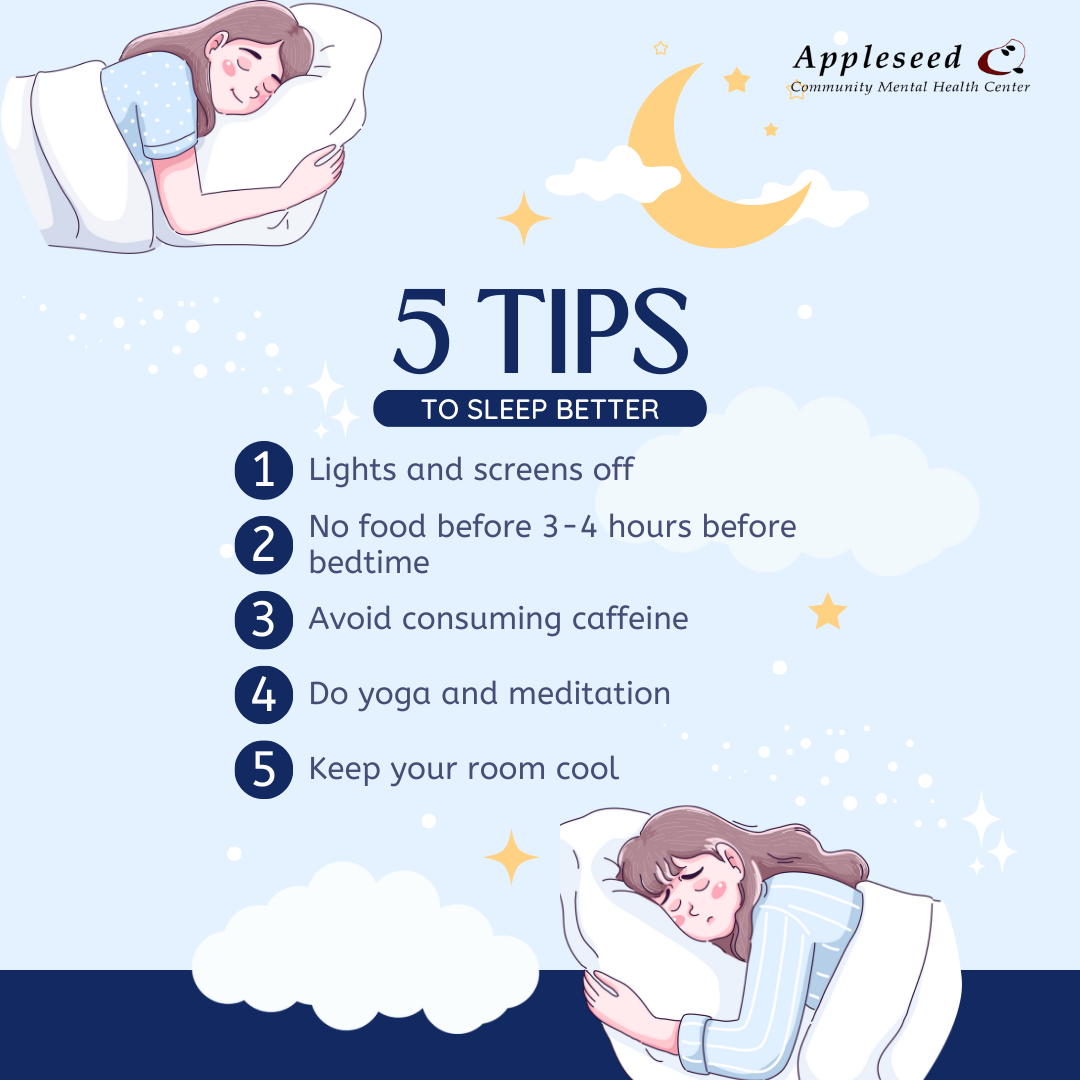
Quick Tips for Better Sleep Tonight
Even small changes can have a big impact on your sleep:
- Dim the lights 1–2 hours before bed
- Keep a regular sleep schedule
- Limit caffeine and sugar in the evening
- Engage in light stretching or yoga
- Write down your worries to prevent racing thoughts
Remember, consistency is more important than perfection.
Internal Resources for Improving Sleep and Mental Wellness
- Explore our guided meditation practices to calm your mind before bed
- Read our nutrition for better sleep tips to fuel your body wisely
- Learn about stress management strategies that support mental wellness
Conclusion
Quality sleep is essential for mental wellness. By understanding common disruptors and implementing effective strategies—like maintaining a consistent sleep schedule, creating a sleep-friendly environment, managing stress, and staying active—you can significantly improve your mental health and overall quality of life.
Start today: small, deliberate steps toward better sleep can yield big improvements in mood, cognition, and resilience. Prioritize your rest—it’s the foundation for a healthier, happier mind.