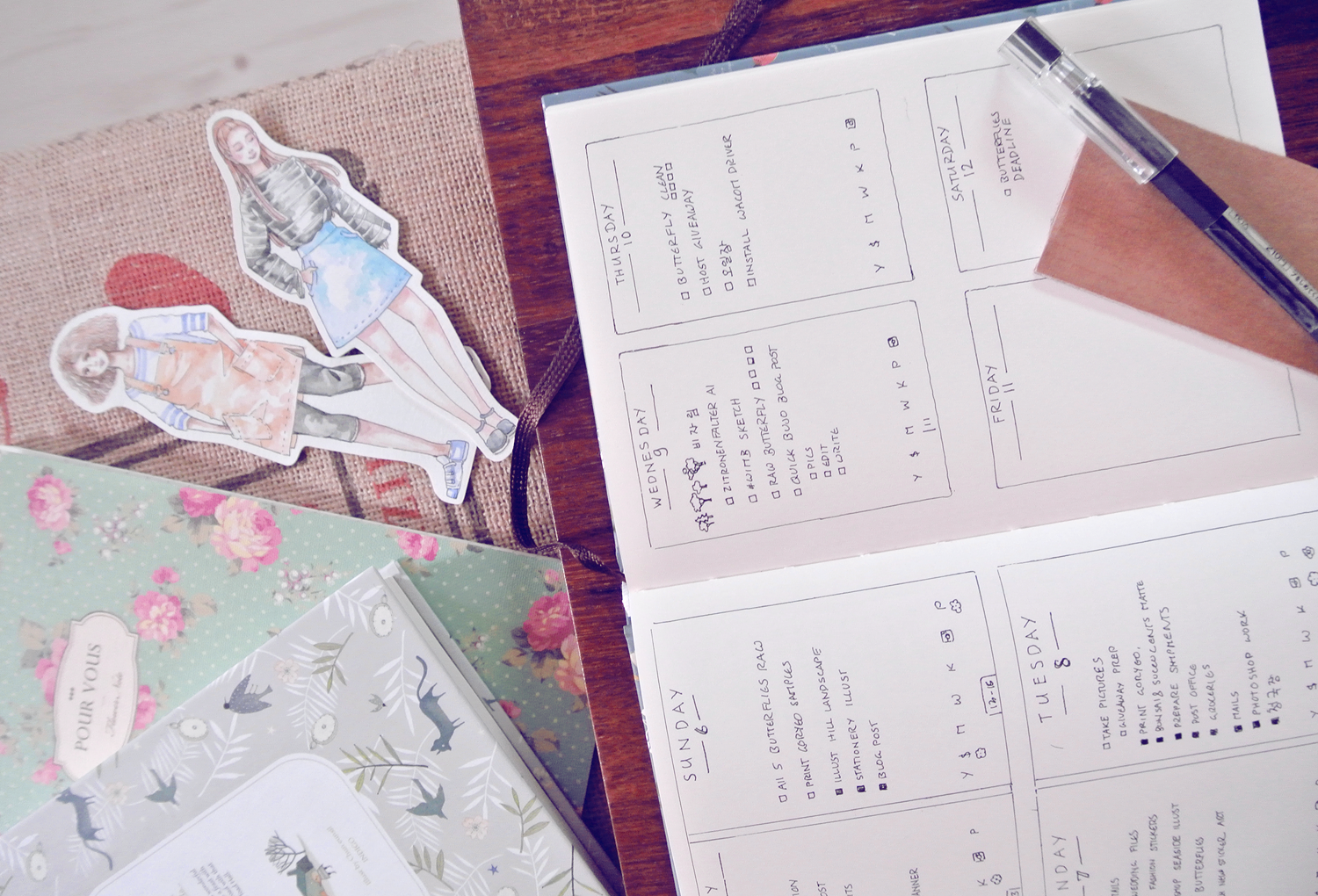
In today’s fast-paced world, our minds are constantly bombarded with thoughts, tasks, and worries. Feeling overwhelmed or mentally cluttered is increasingly common. One of the most effective yet often overlooked tools for mental clarity is journaling. By taking time to put your thoughts on paper, you can organize your mind, reduce stress, and boost overall well-being.
In this article, we’ll explore the benefits of journaling for mental clarity, different journaling techniques, and practical tips to make it a consistent habit.


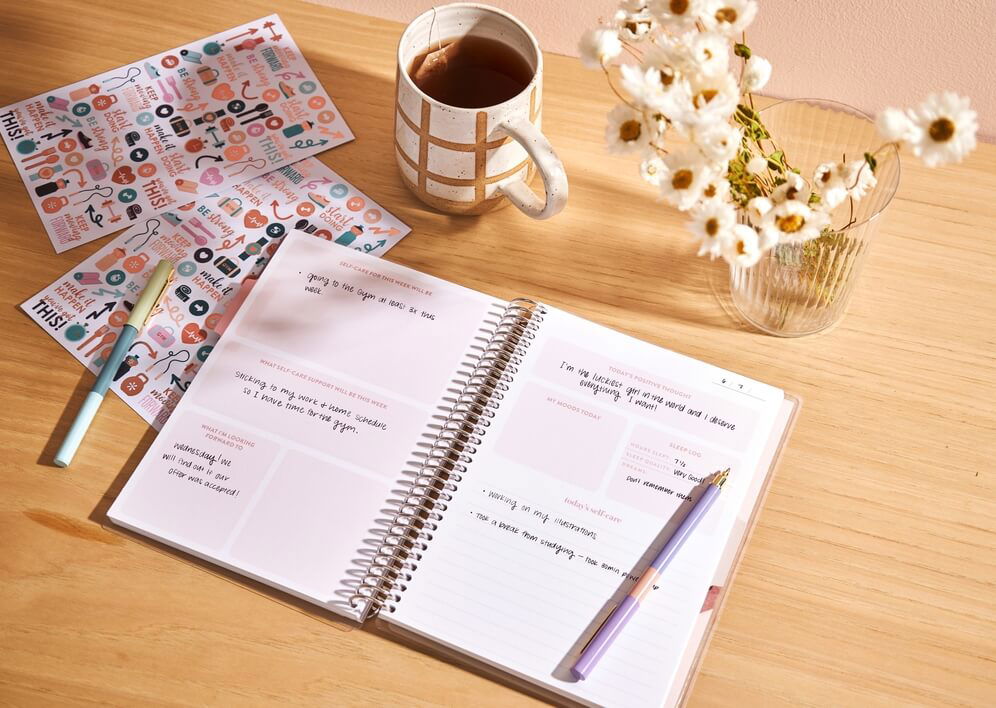
Why Journaling Improves Mental Clarity
Journaling isn’t just about writing down what happened during your day; it’s a powerful tool for self-reflection and emotional regulation. Here’s why:
1. Organizes Your Thoughts
When your mind is racing, it’s easy to feel scattered. Writing down your thoughts helps create structure, turning chaotic mental clutter into a clear list of priorities. According to psychologists, externalizing your thoughts by writing can enhance cognitive processing and decision-making.
2. Reduces Stress and Anxiety
Journaling provides a safe space to express feelings without judgment. Research has shown that expressive writing can lower stress hormones, reduce anxiety, and improve overall mental health. Even a few minutes of journaling a day can help you offload mental burdens.
3. Increases Self-Awareness
By regularly reflecting on your thoughts, patterns, and emotions, journaling fosters self-awareness. Recognizing triggers, recurring worries, or negative thought patterns allows you to make conscious choices instead of reacting automatically.
Learn more about mindfulness practices that complement journaling for mental clarity.
Types of Journaling for Mental Clarity
Not all journals are created equal. Choosing the right type can maximize the mental clarity benefits. Here are some popular options:
1. Free-Writing Journals
Free-writing involves writing continuously without worrying about grammar, spelling, or structure. The goal is to empty your mind onto the page. This type of journaling is especially helpful when experiencing mental overload or emotional distress.
2. Bullet Journals
Bullet journaling is a structured approach using short, concise entries, symbols, and lists. It combines task management with self-reflection, making it perfect for those who want clarity in both thoughts and daily activities.
3. Gratitude Journals
Focusing on gratitude shifts your mind from negativity to positivity. Writing down three things you are grateful for each day can reduce stress and increase mental clarity by training your brain to focus on what matters most.
4. Reflective Journals
Reflective journaling encourages deeper introspection. You analyze past experiences, decisions, and emotions to understand yourself better. This type of journaling can uncover patterns that cloud your thinking and prevent mental clarity.
Check out our guide on effective bullet journaling techniques to get started.
How to Start Journaling for Mental Clarity
Starting a journaling habit doesn’t have to be intimidating. Here’s a simple step-by-step guide:
Step 1: Choose Your Medium
Decide between a physical notebook or a digital app. Some people find the tactile experience of pen and paper more grounding, while others prefer the convenience of digital journaling apps like Evernote or Day One.
Step 2: Set Aside Time
Consistency is key. Even 5–10 minutes a day can make a difference. Many people find morning or evening journaling most effective, but the best time is whenever you can be uninterrupted and focused.
Step 3: Start Small
If you’re new, don’t pressure yourself to write pages. Start with 3–5 sentences about your thoughts, feelings, or daily events. Gradually, you can expand your entries as the habit becomes comfortable.
Step 4: Use Prompts
Prompts can help guide your journaling when your mind feels blank. Some effective prompts for mental clarity include:
- “What thoughts are taking up space in my mind right now?”
- “What emotions am I feeling, and why?”
- “What can I let go of today?”
- “What am I grateful for in this moment?”
Step 5: Review and Reflect
Every week, review your entries. Highlight recurring themes, insights, or solutions. This reflection phase is crucial for transforming journaling from a mere activity into a powerful clarity-enhancing tool.



Tips for Maintaining a Journaling Habit
Keeping up a journaling habit can be challenging. Here are some tips to stay consistent:
- Create a Ritual: Pair journaling with tea, music, or a quiet space to make it enjoyable.
- Don’t Overthink It: Journaling is for you, not an audience. Let go of perfectionism.
- Combine With Mindfulness: Incorporate deep breathing or meditation before writing.
- Track Your Progress: Use a habit tracker to celebrate consistency.
- Mix Styles: Try free-writing one day, gratitude journaling the next. Variety keeps it engaging.
Explore more mindfulness exercises to enhance your journaling experience.
Journaling and Emotional Well-Being
Journaling isn’t just for mental clarity—it’s also a potent tool for emotional well-being. Writing about emotions helps process difficult experiences, manage anger, and improve overall emotional intelligence. Studies suggest that journaling can even enhance resilience by helping individuals reframe challenges more positively.
Common Misconceptions About Journaling
Despite its benefits, some people hesitate to start journaling due to misconceptions:
- “I’m not a good writer.” Journaling is about expression, not style.
- “I don’t have time.” Even five minutes a day is enough to see benefits.
- “It won’t help me.” Science shows that structured reflection and expressive writing improve cognition and reduce stress.
Final Thoughts: Making Journaling a Part of Your Life
Journaling for mental clarity is a simple, cost-effective, and scientifically supported method to organize your mind, reduce stress, and gain deeper self-awareness. By starting small, choosing a style that resonates with you, and maintaining a consistent habit, you can experience remarkable improvements in your mental clarity and emotional well-being.
Start today—grab a notebook, find a quiet spot, and let your thoughts flow. Your mind will thank you.