
Self-compassion is the practice of treating yourself with the same kindness, concern, and support that you would offer to a good friend. In a world that constantly emphasizes productivity and perfection, learning to be gentle with yourself is essential for mental well-being, resilience, and personal growth. Practicing self-compassion can improve your emotional health, reduce stress, and foster a positive mindset.



What Is Self-Compassion?
Self-compassion involves acknowledging your mistakes and struggles without harsh self-criticism. It’s about treating yourself with understanding instead of judgment. According to Dr. Kristin Neff, a pioneer in self-compassion research, it consists of three main components:
1. Self-Kindness
Instead of being overly critical, self-kindness encourages you to be gentle with yourself when you fail or encounter setbacks. This doesn’t mean ignoring your mistakes—it means responding to them with warmth and understanding.
2. Common Humanity
Recognizing that suffering and imperfection are part of the shared human experience helps you feel less isolated. Everyone makes mistakes and faces challenges, and understanding this helps reduce feelings of inadequacy.
3. Mindfulness
Mindfulness involves observing your thoughts and feelings without suppressing them or over-identifying with them. This balanced awareness prevents you from being overwhelmed by negative emotions.
For more insights on mindfulness, check out our guide on Mindfulness Techniques for Beginners.
Benefits of Practicing Self-Compassion
Self-compassion is more than just a feel-good practice. Studies show it has tangible psychological and physical benefits:
- Reduced Stress and Anxiety: Treating yourself kindly lowers cortisol levels and reduces overall stress.
- Better Emotional Resilience: Self-compassion helps you bounce back from failure and setbacks more quickly.
- Healthier Relationships: Being compassionate toward yourself translates into empathy and patience with others.
- Improved Motivation: Contrary to misconceptions, self-compassion encourages self-improvement without fear of judgment.
If you want to learn more about how self-compassion impacts mental health, see our article on Building Emotional Resilience.
How to Practice Self-Compassion Daily
Practicing self-compassion doesn’t require major lifestyle changes. Here are practical strategies you can incorporate into your daily life:
1. Speak Kindly to Yourself
Pay attention to your inner dialogue. When you notice self-critical thoughts, pause and reframe them in a supportive way. For example:
- Instead of thinking, “I always fail at this,” try, “I’m doing my best, and it’s okay to make mistakes.”
2. Practice Mindful Awareness
Mindfulness helps you observe your emotions without judgment. Spend a few minutes each day noticing your thoughts and feelings. Apps like Headspace or Calm can guide you through mindful meditation.
3. Journaling for Self-Compassion
Writing down your feelings can clarify your thoughts and foster self-understanding. Try prompts like:
- “What do I need to hear from myself today?”
- “How would I support a friend going through this?”
This exercise can strengthen your ability to respond to challenges with kindness.
4. Engage in Self-Care
Self-compassion involves taking care of your body and mind. This can include:
- Getting enough sleep and rest
- Eating nourishing foods
- Engaging in hobbies and physical activity
For ideas on building a balanced lifestyle, visit our post on Healthy Daily Routines for Mental Wellness.
5. Recognize Common Humanity
When facing difficulties, remind yourself that struggles are universal. Say to yourself: “Others experience challenges like this too; I’m not alone.” This perspective reduces feelings of isolation and self-criticism.
6. Use Compassionate Touch
Physical gestures, such as placing your hand on your heart or giving yourself a gentle hug, can activate a soothing response in your nervous system. Small acts of tenderness toward yourself reinforce emotional resilience.



Overcoming Common Barriers to Self-Compassion
Many people struggle with self-compassion due to ingrained beliefs or societal pressures. Here are common obstacles and ways to overcome them:
1. Fear of Being Self-Indulgent
Some believe self-compassion is selfish or promotes laziness. In reality, self-compassion encourages self-improvement by creating a safe, supportive mindset.
2. Perfectionism
Perfectionists often tie their self-worth to achievement. Practicing self-compassion helps you accept imperfection and learn from mistakes rather than punishing yourself.
3. Negative Self-Talk
Harsh internal dialogue can become habitual. Combat this by consciously replacing critical thoughts with compassionate ones and using affirmations daily.
4. Cultural or Social Conditioning
In some cultures, self-criticism is normalized. Challenging these beliefs requires patience and consistent practice. Mindfulness, journaling, and self-care routines are effective tools.
Self-Compassion Exercises to Try
Here are practical exercises to integrate self-compassion into your life:
- The Self-Compassion Break: When feeling stressed, pause and acknowledge your suffering. Say: “This is a moment of suffering. Suffering is part of life. May I be kind to myself.”
- Guided Meditations: Audio meditations focused on loving-kindness or self-compassion can strengthen this skill.
- Daily Reflection: Each evening, reflect on how you responded to challenges. Did you treat yourself kindly? If not, consider ways to improve tomorrow.

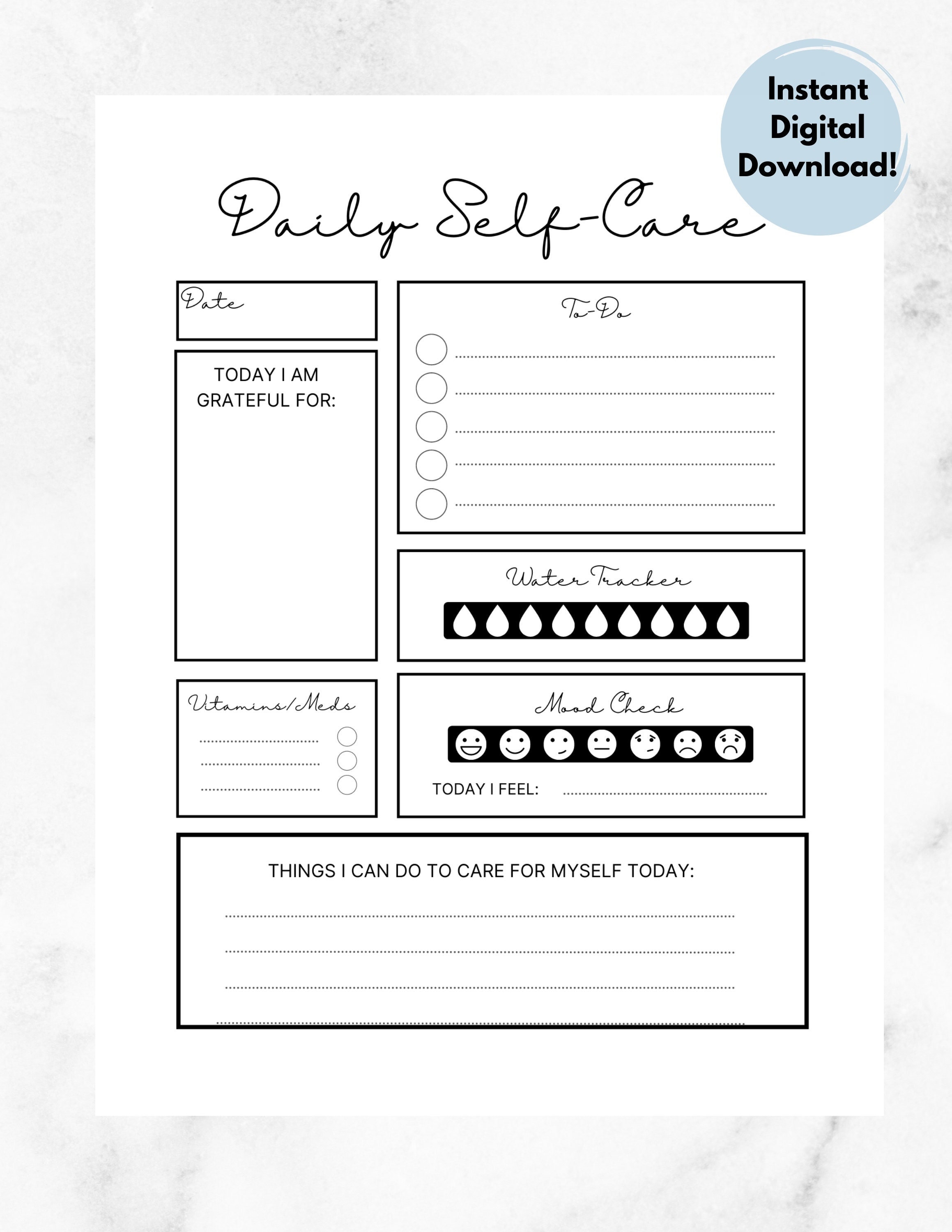

Building a Sustainable Self-Compassion Practice
Consistency is key. Start small and gradually build habits:
- Dedicate 5–10 minutes daily to self-compassion exercises.
- Set reminders to pause and practice mindful self-kindness.
- Surround yourself with supportive influences—friends, mentors, or communities that encourage self-compassion.
Remember, self-compassion is a lifelong practice. It’s normal to face setbacks, but patience and persistence will help you cultivate a gentler, more resilient mindset.
Conclusion
Self-compassion is not just a mental wellness trend—it’s a crucial life skill. By practicing self-kindness, embracing common humanity, and cultivating mindfulness, you can enhance emotional resilience, reduce stress, and foster a deeper connection with yourself. Start small, stay consistent, and watch how your inner dialogue transforms into one of support and encouragement.
For more guidance on nurturing emotional well-being, explore our other resources: Mindfulness Techniques for Beginners and Healthy Daily Routines for Mental Wellness.