Water is essential for life, yet many people underestimate its power when it comes to weight management. From boosting metabolism to reducing hunger, drinking enough water can play a key role in helping you lose weight. In this article, we’ll explore the science behind water and weight loss, practical tips for increasing your intake, and how to make it part of your daily routine.
How Water Affects Your Weight
Many people overlook one simple fact: water has zero calories. Replacing sugary drinks or high-calorie beverages with water can drastically reduce your daily calorie intake. But beyond calorie replacement, water influences weight loss in several other ways.
Boosting Metabolism
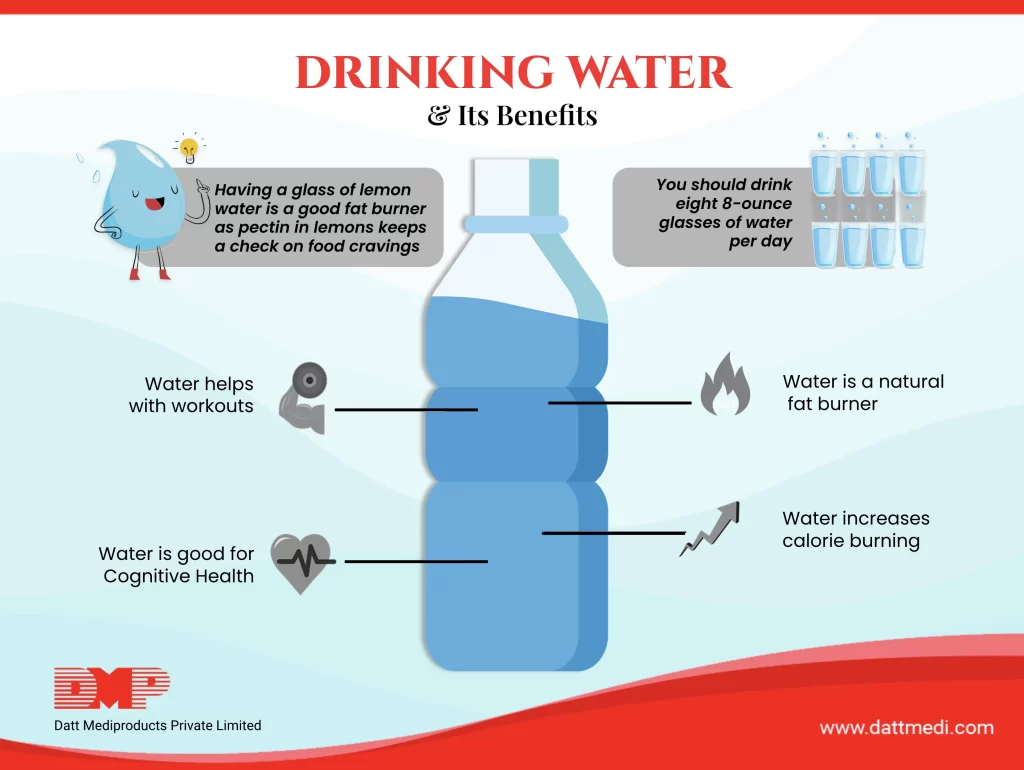
Drinking water temporarily increases your metabolism, a phenomenon called water-induced thermogenesis. Studies have shown that drinking about 500ml (17 ounces) of water can increase resting energy expenditure by up to 30% for roughly 30–40 minutes. This means your body burns more calories simply by staying hydrated.
Appetite Suppression
Sometimes, thirst is mistaken for hunger. Drinking water before meals can help reduce appetite, leading to lower calorie consumption. A study involving overweight adults found that those who drank water before meals lost 44% more weight over 12 weeks compared to those who didn’t.
Supporting Exercise Performance
Exercise is a cornerstone of effective weight loss, and dehydration can impair your performance. Drinking enough water ensures you maintain energy, endurance, and strength during workouts, helping you burn more calories efficiently.
How Much Water Should You Drink for Weight Loss?
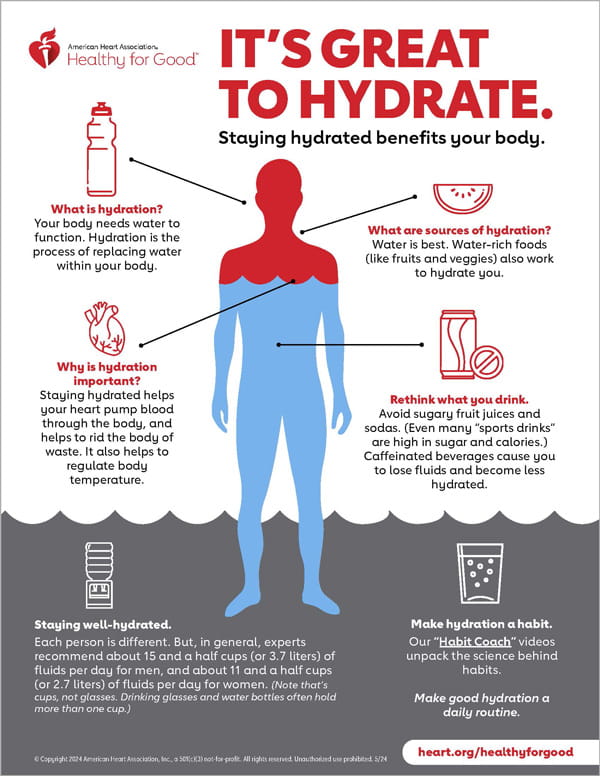
The standard recommendation of eight 8-ounce glasses per day is a starting point, but the ideal amount varies depending on body size, activity level, and climate.
General Guidelines
- Men: About 3.7 liters (125 ounces) of total fluids per day
- Women: About 2.7 liters (91 ounces) of total fluids per day
Keep in mind that total fluids include water from all beverages and foods, including fruits and vegetables.
Tips for Drinking More Water
- Start Your Day with Water: Drink a glass of water as soon as you wake up.
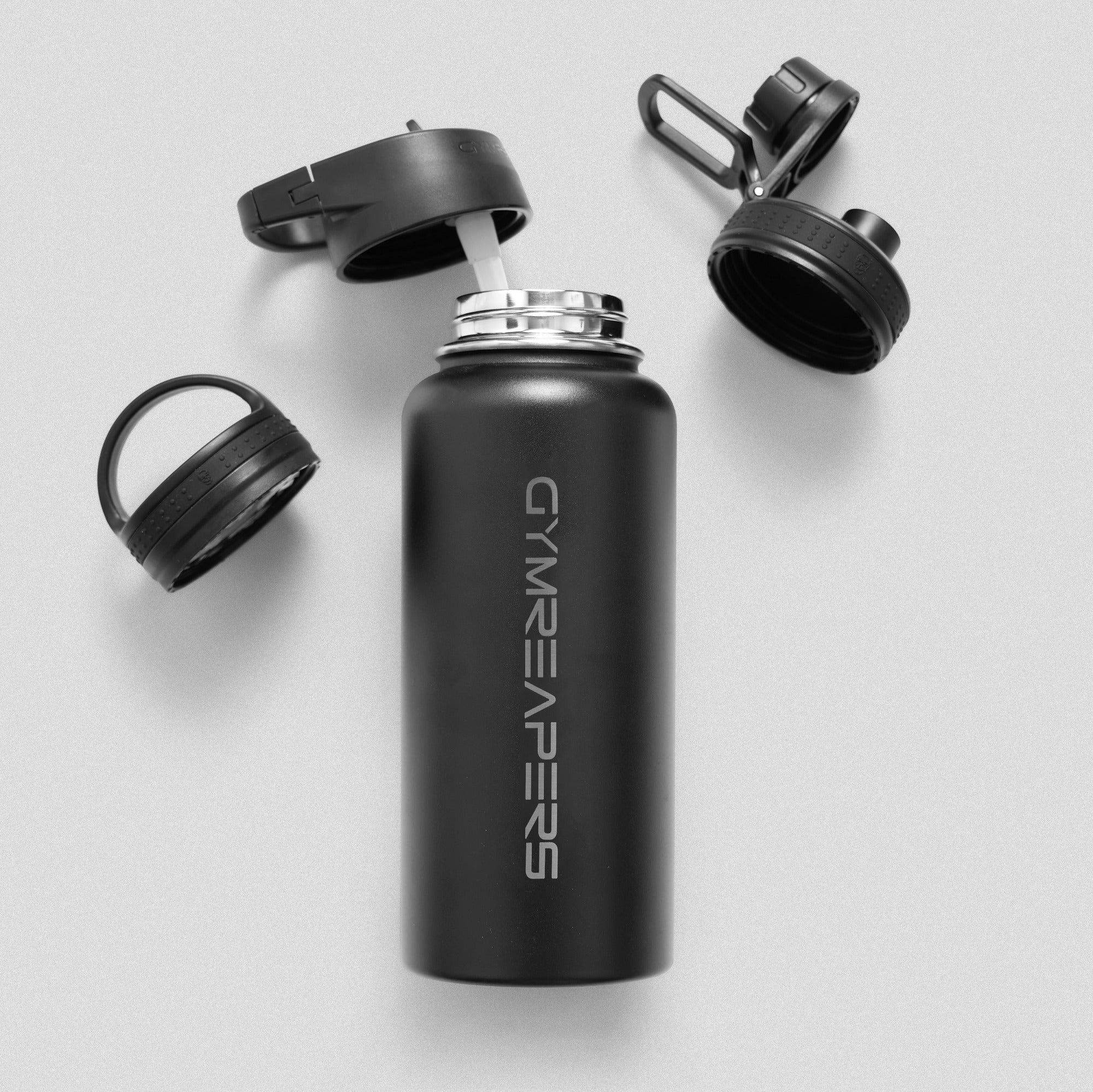
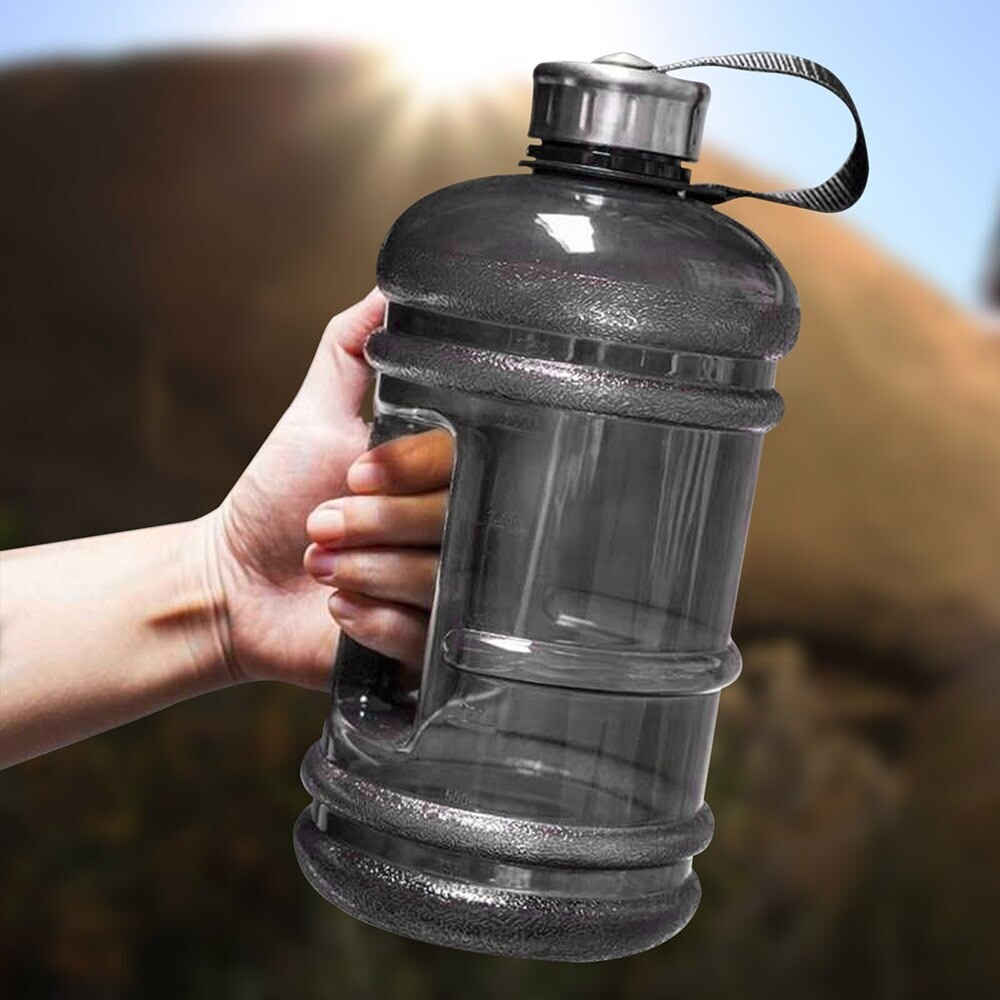
- Use a Water Bottle: Keep a refillable bottle handy to track your intake.
- Flavor Your Water: Add lemon, cucumber, or mint to make hydration more appealing.
- Drink Before Meals: This helps with appetite control and calorie reduction.
Water vs. Other Beverages
Swapping high-calorie drinks for water is one of the easiest ways to cut calories.
Sugary Drinks and Soda
Soft drinks and energy drinks are loaded with sugar and empty calories. Replacing just one soda per day with water can save up to 150 calories, which adds up to more than 10 pounds of weight loss in a year without other dietary changes.
Coffee and Tea
Black coffee and unsweetened tea are low-calorie alternatives and can contribute to hydration. Just avoid adding sugar or high-calorie creamers, which can negate the weight-loss benefits.
Alcohol
Alcoholic beverages are high in calories and can increase appetite. Replacing alcohol with water during certain meals can help reduce overall caloric intake.
The Science Behind Water and Fat Burning
Water plays a role not just in appetite control but also in lipolysis, the process of breaking down fat for energy. A well-hydrated body is more efficient at metabolizing stored fat.
- Hydration and Fat Oxidation: Studies show that mild dehydration can reduce fat oxidation during exercise, meaning your body burns fewer fat calories.
- Kidney and Liver Function: Proper hydration supports organs responsible for metabolizing fat. Without enough water, fat metabolism slows down.
This means drinking water isn’t just about feeling full—it also supports your body’s natural fat-burning processes.
Practical Strategies to Incorporate Water for Weight Loss
Implementing water habits into your daily life can significantly improve your results.
Drink a Glass Before Every Meal
Make it a rule to drink 1–2 glasses of water 20–30 minutes before eating. This reduces the chance of overeating.
Set Timed Reminders
Use phone alarms or apps to remind yourself to drink water throughout the day. Even mild dehydration can affect metabolism and energy.
Include Hydrating Foods
Fruits and vegetables like watermelon, cucumbers, oranges, and strawberries are over 90% water. These foods contribute to overall hydration while providing essential nutrients.
Replace One Beverage Per Day
Choose water over soda, juice, or sweetened coffee once a day. Over time, this small change can have a major impact on weight.
Common Myths About Water and Weight Loss
Myth 1: Drinking Excessive Water Burns Fat Instantly
While hydration supports fat metabolism, no amount of water alone will make fat disappear overnight. Sustainable weight loss requires a combination of diet, exercise, and healthy lifestyle choices.
Myth 2: You Can Only Drink Plain Water
Water can come from many sources—unsweetened tea, sparkling water, and water-rich foods all count toward your daily intake. Flavoring water naturally can make drinking it more enjoyable without adding calories.
Myth 3: More Water is Always Better
Overhydration can be dangerous. Drinking extreme amounts in a short time can lead to water intoxication, lowering sodium levels in the blood. Stick to recommended guidelines.
Combining Water with Healthy Lifestyle Habits
Drinking water alone is not a magic bullet. For best results, pair proper hydration with other proven strategies:
Balanced Diet
Focus on whole foods, vegetables, lean proteins, and healthy fats. Proper nutrition works synergistically with hydration to support weight loss.
Regular Exercise
Exercise increases calorie burn and improves metabolism. Hydration ensures your body functions optimally during workouts.
Sleep and Stress Management
Lack of sleep can increase appetite and cravings, while stress can trigger emotional eating. Drinking water consistently can also help reduce stress-related hunger pangs.
Tracking Your Water Intake
Keeping track of your daily water consumption can motivate you to stay on track. Use:
- Apps: Many free apps allow you to log water intake.
- Reusable Bottles: Markings on bottles can show progress throughout the day.
- Habit Tracking: Make it a part of your morning and evening routine.
Final Thoughts: Is Water a Weight-Loss Miracle?
Water is a powerful tool for weight loss, but it’s part of a bigger picture. By reducing calorie intake, boosting metabolism, and supporting exercise performance, water can accelerate your weight loss journey. Pair it with a balanced diet, consistent exercise, and healthy habits for optimal results.
Start small: drink a glass of water before each meal, replace one sugary beverage daily, and include hydrating foods in your diet. Over time, these simple habits can make a significant difference in your weight and overall health.
Internal Links Suggestions:
- Check out our guide on Best Foods That Burn Belly Fat
- Learn more about Intermittent Fasting for Beginners
- Read our tips on How to Lose Weight Without Going to the Gym
Image Suggestions (Royalty-Free from Unsplash)