

Apple cider vinegar (ACV) has surged in popularity over the past decade, becoming a staple in health, wellness, and culinary circles around the world. From salads to detox routines, ACV is praised for its potential benefits — but it also comes with risks that are often overlooked. In this comprehensive guide, we’ll explore what apple cider vinegar is, its potential benefits, known health risks, how to use it safely, and evidence‑based tips for everyday use.
🌿 What Is Apple Cider Vinegar?
Apple cider vinegar is a type of vinegar made from fermented apple juice. It is rich in acetic acid — the compound responsible for many of its purported health benefits — along with trace amounts of vitamins, minerals, and beneficial bacteria (the “mother”).
ACV has a long history of traditional use for digestion, cleaning, and even as a home remedy for various ailments. But does science support these uses?
🧪 How Apple Cider Vinegar Works
ACV contains acetic acid and probiotics that may influence digestion and metabolism. Some theories suggest that ACV may:
- Slow down stomach emptying
- Improve insulin sensitivity
- Support gut bacteria balance
However, it’s important to separate anecdotal claims from clinical evidence.
👉 For related nutrition insights, see our post on Benefits of Probiotics for Gut Health.
✅ Top 9 Potential Health Benefits
1. Supports Blood Sugar Management
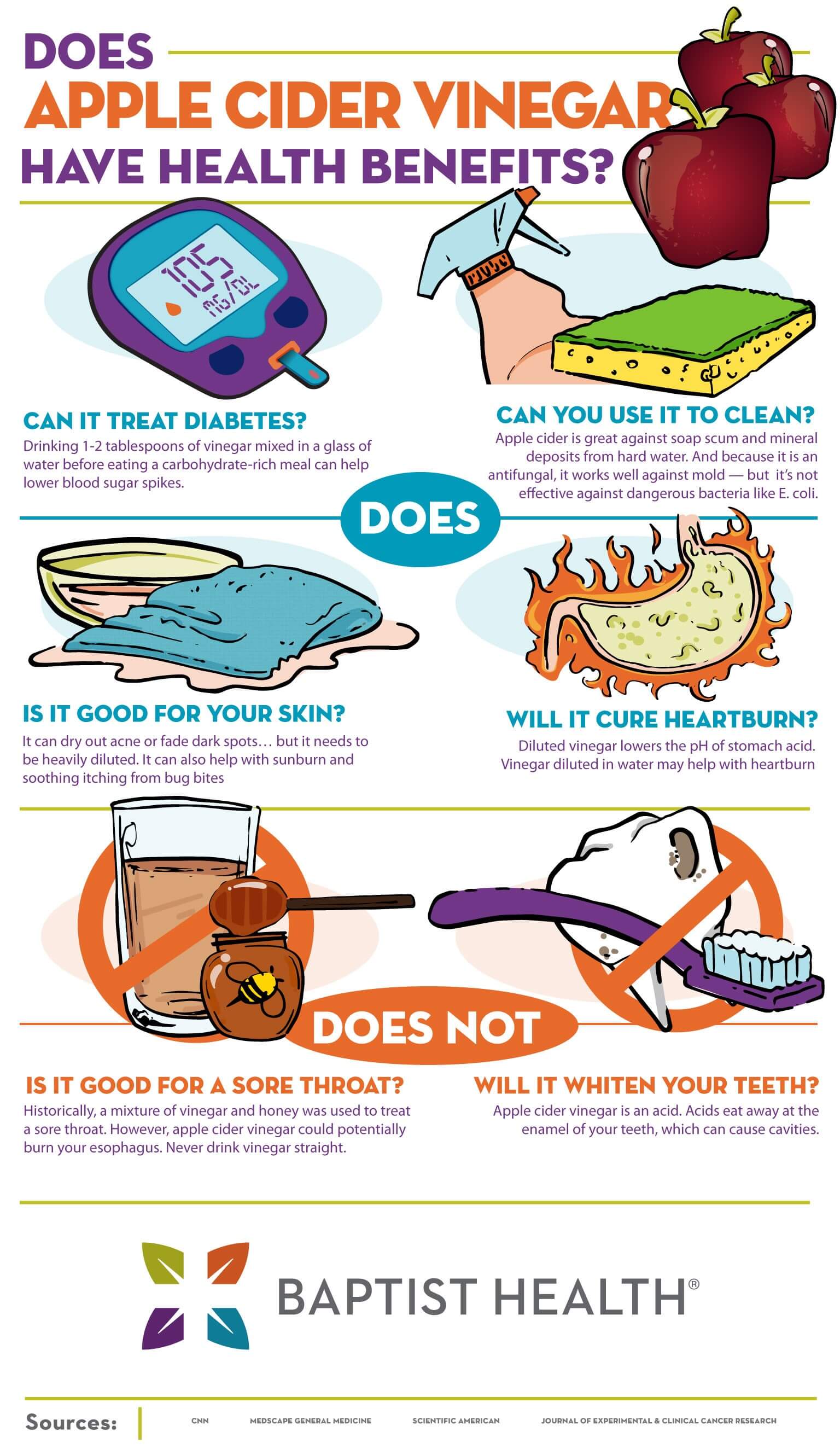
One of the most studied benefits of apple cider vinegar is its ability to help lower blood sugar levels after meals. Small studies show that ACV may improve insulin sensitivity when taken before high‑carbohydrate meals.
👉 Related: Foods That Help Control Blood Sugar Levels
2. May Aid in Weight Management
ACV is often promoted as a weight loss aid. Some research suggests that acetic acid can increase feelings of fullness and reduce calorie intake. While effects are modest, they may support weight control when combined with a healthy diet and exercise.
3. Improves Digestion
Apple cider vinegar may help digestion by increasing stomach acidity, which can support the breakdown of food and improve nutrient absorption. Some people report reduced bloating and gas when using ACV before meals.
4. Antimicrobial Properties
ACV has natural antibacterial effects, which is why it’s been used traditionally for cleaning and food preservation. It may help eliminate harmful bacteria on surfaces and even in the mouth when used (diluted) as a mouthwash.
5. Potential Heart Health Support
Animal studies suggest that ACV may help reduce cholesterol and blood pressure, both of which are risk factors for heart disease. Human evidence is limited, but early findings are promising.
👉 For more heart‑healthy advice, check out Top Foods for Boosting Heart Health.
6. Antioxidant Activity
ACV contains polyphenols — plant compounds with antioxidant effects. Antioxidants help protect cells from oxidative stress and inflammation.
7. Skin and Hair Benefits
Used topically, diluted ACV may help balance the skin’s pH, reduce acne bacteria, and add shine to hair. Always dilute ACV before applying to skin to prevent irritation.
8. Natural Cleaning Agent
Because of its antimicrobial properties, ACV can be an eco‑friendly household cleaner. It’s often used to clean glass, surfaces, and even laundry.
9. Oral Health Support (in moderation)
A diluted mouth rinse with ACV may help reduce bad breath and bacteria, but care must be taken to avoid enamel erosion.
⚠️ Risks and Side Effects of Apple Cider Vinegar
While ACV is natural, it’s not harmless.
🦷 1. Tooth Enamel Erosion
ACV is highly acidic. Direct contact with teeth can erode enamel over time. Always dilute ACV with water and drink through a straw to minimize contact.
⚡ 2. Digestive Discomfort
Some individuals experience nausea, bloating, or upset stomach after consuming ACV, especially in large amounts.
🚨 3. Potential Drug Interactions
Apple cider vinegar may interact with:
- Insulin and diabetes medications (could lower blood sugar too much)
- Diuretics and heart medications
- Digoxin and other prescriptions
Ask your healthcare provider before adding ACV to your routine if you take medication.
🍽️ 4. Delayed Gastric Emptying
ACV may slow digestion, which could be problematic for individuals with gastroparesis or chronic digestive conditions.
🤰 5. Safety During Pregnancy and Breastfeeding
Limited research exists on ACV use during pregnancy and breastfeeding. Moderation is key, and medical guidance is recommended.
🧠 What Science Says — Backed by Research
Here’s a summary of the evidence behind some common ACV claims:
| Claim | Human Evidence | Verdict |
|---|---|---|
| Lowers blood sugar | Small clinical studies | Promising but modest |
| Weight loss | Limited human data | Possible with diet |
| Cholesterol reduction | Mostly animal studies | Not proven in humans |
| Antimicrobial action | Lab evidence | Yes, in controlled conditions |
Overall, promising but more large‑scale human trials are needed.
🥤 How to Use Apple Cider Vinegar Safely
✔ Recommended Dosage
A common starting dose is:
- 1–2 teaspoons (5–10 ml) diluted in water once daily
- Some use 1–2 tablespoons (15–30 ml), but only after building tolerance
Always start small and increase slowly.
✔ Best Practices
- Dilute in water: Never drink ACV straight.
- Use a straw: Protect tooth enamel.
- After meals: May help control post‑meal glucose, especially in people with insulin resistance.
- Avoid on empty stomach: Can increase acidity and irritation.
✔ DIY ACV Drink Recipe
Ingredients:
- 1–2 tsp apple cider vinegar
- 250 ml (1 cup) water
- Optional: honey, lemon, cinnamon
Mix and sip slowly.
🥗 Culinary Uses of Apple Cider Vinegar
ACV isn’t just a health tonic — it’s a kitchen staple.
- Salad dressings
- Marinades
- Sauces
- Pickling vegetables
Its tangy flavor pairs well with herbs, olive oil, and citrus.
👉 Related: Easy ACV Vinaigrette Recipe for Salads
🧴 Top Apple Cider Vinegar Products (Non‑Affiliate)


When choosing ACV, look for:
✔ With “the Mother” — indicates beneficial enzymes and bacteria
✔ Organic and unfiltered
✔ Glass bottles rather than plastic
Examples include raw unfiltered brands available at most grocery stores.
🧾 Frequently Asked Questions
❓ Can I take apple cider vinegar every day?
Yes, but start with small amounts and always dilute it. Daily use may benefit digestion and blood sugar management, but listen to your body.
❓ Does ACV help with acne?
Some people use diluted ACV topically for acne due to antimicrobial properties. Patch test first to avoid skin irritation.
❓ Is apple cider vinegar safe for children?
Use with caution. Small amounts diluted in water may be safe, but high acidity could irritate a child’s throat or stomach.
🧠 Final Thoughts: Is Apple Cider Vinegar Worth It?
Apple cider vinegar offers several evidence‑based benefits, especially related to blood sugar control and digestion. However, risks — particularly for tooth enamel, interactions with medications, and digestive discomfort — make moderation crucial.
Bottom Line: ACV can be a healthy addition to your lifestyle when used safely and in moderation, especially as part of a balanced diet. Always consult your doctor if you have health conditions or take medications.
📝 References & Further Reading
- Research on blood sugar and ACV
- ACV and antimicrobial action
- Digestive effects of acetic acid
For more nutrient insights, read our posts on Daily Gut Health Tips and Understanding Functional Foods.