
Healthy weight loss is one of the most searched health goals today but it’s also one of the most misunderstood. If you’re just starting your journey, you don’t need extreme diets, expensive supplements, or unrealistic workout plans. What you need is a sustainable strategy that works long-term.
In this Beginner’s Guide to Healthy Weight Loss, you’ll learn practical, science-backed steps to lose weight safely, build better habits, and maintain results without harming your health.
What Is Healthy Weight Loss?
Healthy weight loss means reducing body fat gradually while preserving muscle, improving overall wellness, and building habits you can maintain for life. Unlike crash diets, healthy weight loss focuses on:
- Balanced nutrition
- Regular physical activity
- Proper hydration
- Quality sleep
- Stress management
A safe and realistic rate of healthy weight loss is 0.5–1 kg (1–2 pounds) per week. Losing weight faster than this often leads to muscle loss, fatigue, and rebound weight gain.
Why Most Beginners Struggle With Weight Loss
Before diving into strategies, it’s important to understand common mistakes:
1. Extreme Calorie Restriction
Eating too little slows metabolism and increases cravings.
2. Skipping Strength Training
Many beginners only do cardio, ignoring muscle-building workouts that boost metabolism.
3. Lack of Consistency
Healthy weight loss isn’t about perfection—it’s about consistency.
If you’ve struggled before, don’t worry. Sustainable progress comes from small, repeatable habits.
Step 1: Focus on Nutrition First
Nutrition plays the biggest role in healthy weight loss. You can’t out-exercise a poor diet.
Build Balanced Meals
Every meal should include:
- Protein (chicken, fish, eggs, beans)
- Healthy fats (avocado, nuts, olive oil)
- Complex carbs (brown rice, oats, whole grains)
- Vegetables (leafy greens, carrots, peppers)
Protein is especially important because it helps preserve muscle and keeps you full longer.
Reduce Processed Foods
Highly processed foods are often high in sugar, unhealthy fats, and empty calories. Instead, focus on whole foods.
👉 For more nutrition basics, check out our guide on 7-Day Healthy Meal Plan for Weight Loss
Step 2: Understand Calorie Balance
Healthy weight loss happens when you consume fewer calories than your body burns—this is called a calorie deficit.
However, the goal is not starvation. Instead:
- Reduce portion sizes slightly
- Avoid sugary drinks
- Cook more meals at home
- Track intake (optional but helpful for beginners)
A small daily calorie deficit leads to sustainable weight loss without extreme hunger.
Step 3: Start Moving Your Body
Exercise supports healthy weight loss by burning calories and preserving muscle mass.
Cardio for Beginners

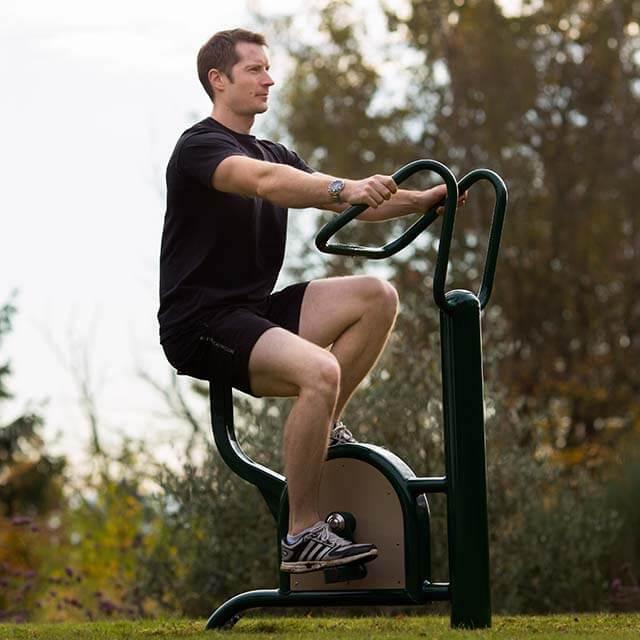
Begin with 20–30 minutes of moderate cardio 3–5 times per week:
- Brisk walking
- Light jogging
- Cycling
- Home cardio workouts
Consistency matters more than intensity.
Strength Training Is Essential


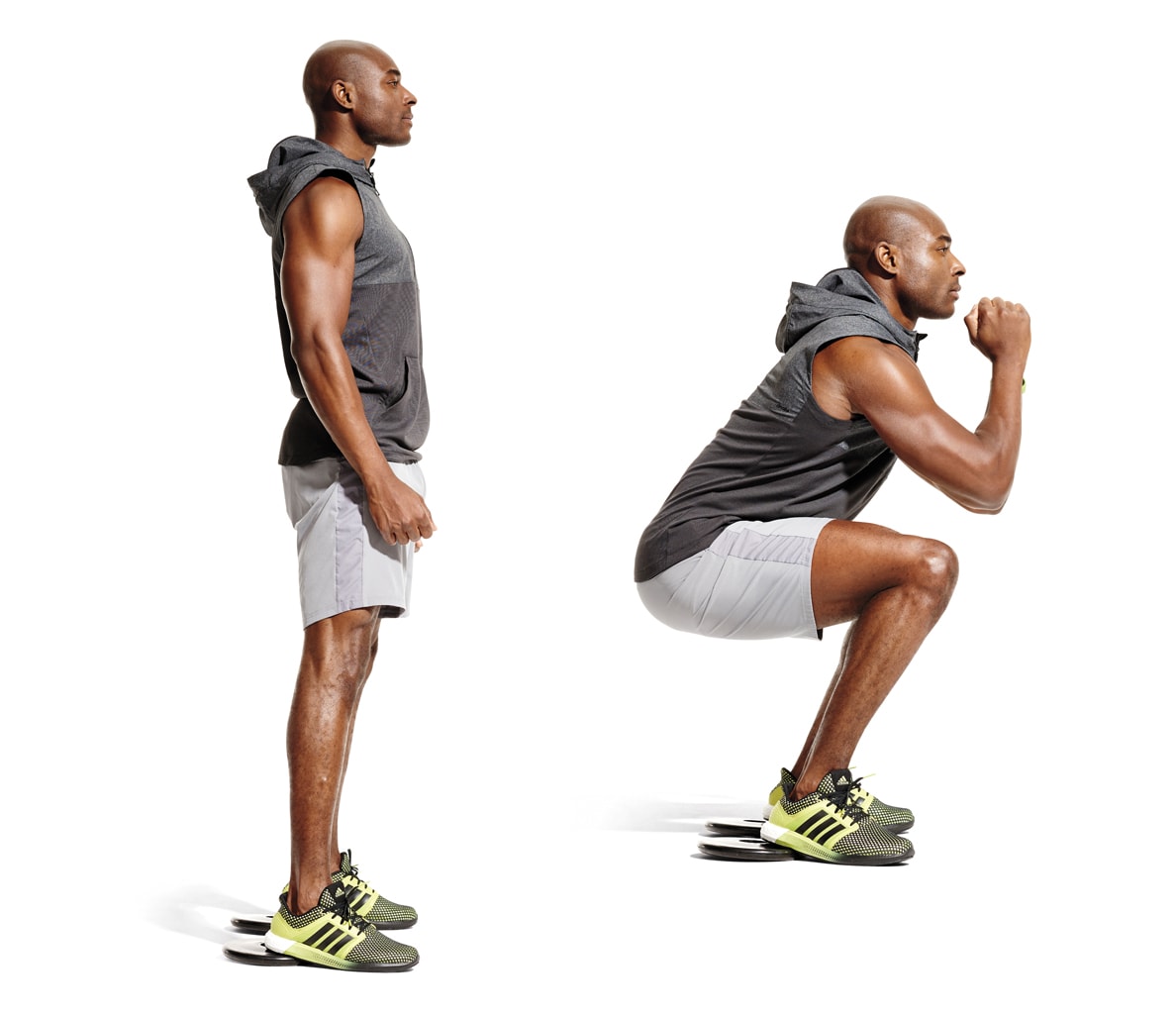
Strength training helps:
- Preserve lean muscle
- Increase metabolism
- Improve body shape
Start with:
- Squats
- Push-ups
- Lunges
- Dumbbell rows
Aim for 2–3 sessions per week.
Step 4: Prioritize Sleep and Recovery
Many beginners overlook sleep—but poor sleep increases hunger hormones and cravings.
Healthy weight loss requires:
- 7–9 hours of sleep nightly
- Reduced late-night screen time
- Managing stress through meditation or light stretching
If you’re always exhausted, your weight loss journey will feel harder than it needs to be.
Step 5: Stay Hydrated


Water supports digestion, reduces bloating, and helps control appetite.
Tips:
- Drink a glass of water before meals
- Carry a reusable water bottle
- Replace sugary drinks with water or herbal tea
Sometimes what feels like hunger is actually dehydration.
How to Set Realistic Goals
Healthy weight loss starts with realistic expectations.
Instead of saying:
❌ “I want to lose 15kg in one month.”
Say:
✅ “I will lose 0.5–1kg per week by improving my diet and exercising consistently.”
Track progress using:
- Body measurements
- Progress photos
- Energy levels
- How clothes fit
The scale is only one measure of progress.
Healthy Weight Loss vs Crash Dieting
| Healthy Weight Loss | Crash Dieting |
|---|---|
| Slow and steady | Rapid and extreme |
| Balanced meals | Severe restrictions |
| Includes exercise | Often diet-only |
| Sustainable | Hard to maintain |
| Protects metabolism | Slows metabolism |
Crash dieting may produce fast results, but healthy weight loss delivers lasting transformation.
Common Beginner Questions
Do I Need Supplements?
Not necessarily. Whole foods should be your foundation. Some people may benefit from:
- Protein powder
- Multivitamins
- Omega-3
But always consult a healthcare professional before starting supplements.
How Long Does Healthy Weight Loss Take?
It depends on your starting weight and consistency. Sustainable fat loss takes time—but that’s what makes it permanent.
Can I Eat Carbs?
Yes! Carbs are not the enemy. Choose whole, unprocessed sources and watch portion sizes.
Sample Beginner Weekly Plan
Monday: 30-minute walk + balanced meals
Tuesday: Strength training (full body)
Wednesday: Light stretching + hydration focus
Thursday: 30-minute cardio
Friday: Strength training
Weekend: Active rest (walking, light activity)
For more workout ideas, read our post on Simple Home Workouts for Beginners.
Mindset Matters
Healthy weight loss is as much mental as physical. Stay patient. You won’t see dramatic changes overnight—but small improvements compound over time.
Remember:
- Progress > Perfection
- Habits > Motivation
- Consistency > Intensity
If you slip up, don’t quit. One unhealthy meal doesn’t ruin progress—quitting does.
Signs Your Weight Loss Is Healthy
You’re on the right track if you:
- Have steady energy levels
- Feel stronger
- Sleep better
- Lose weight gradually
- Maintain muscle tone
Healthy weight loss improves your quality of life—not just your appearance.
Final Thoughts: Start Small, Stay Consistent
Healthy weight loss isn’t about punishment. It’s about building a lifestyle that supports your body and long-term wellness.
As a beginner, focus on:
- Balanced nutrition
- Moderate exercise
- Good sleep
- Hydration
- Consistency
Start today with one small habit—maybe drinking more water or taking a 20-minute walk. Over time, these small actions lead to big results.
If you found this guide helpful, you may also enjoy reading our article on How to Lose Weight Without Going to the Gym
Your journey to healthy weight loss starts now—and with the right strategy, you can absolutely succeed.