



When people begin a fitness journey, one of the most common questions they ask is:
“Cardio vs strength training — which one is better?”
Both forms of exercise offer powerful benefits, but they work in different ways and suit different goals. In this article, we’ll break down the science, benefits, limitations, and ideal strategies for combining cardio and strength training so you can confidently choose what’s best for your fitness needs.
🧠 Understanding the Basics
What Is Cardio?
Cardiovascular exercise — or cardio — involves activities that raise your heart rate and increase blood circulation throughout the body.
Examples include:
- Running or jogging
- Cycling
- Swimming
- Jump rope
- Dancing
Cardio primarily targets your heart and lungs and is great for burning calories and improving cardiovascular endurance.
What Is Strength Training?
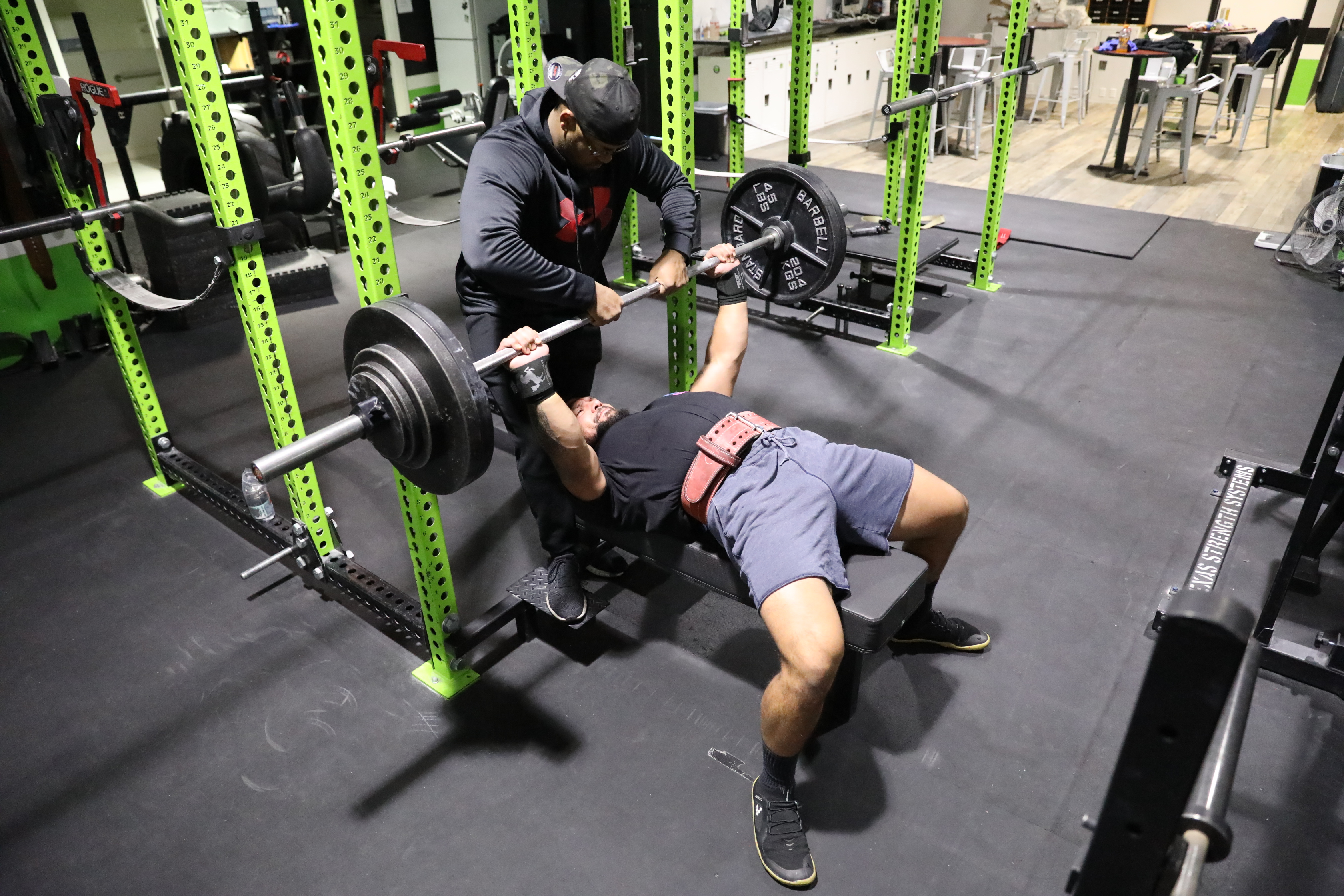
Strength training — also known as resistance training — focuses on building muscle strength and power by working against resistance.
Common methods include:
- Free weights (dumbbells, barbells)
- Weight machines
- Bodyweight exercises (push‑ups, squats)
- Resistance bands
Instead of focusing on heart rate, strength training emphasizes muscle fatigue and adaptation.
🔥 Cardio Benefits
1. Improves Heart Health
Cardio strengthens your heart and lungs, improving blood flow and lowering your risk of:
- Heart disease
- Stroke
- High blood pressure
Regular cardio can significantly improve your endurance and overall health.
2. Burns Calories Efficiently
Cardio is one of the most effective ways to burn calories — especially in short sessions.
High‑Intensity Interval Training (HIIT), for example, can boost fat burning even after the workout ends due to the “afterburn” effect.
3. Enhances Endurance & Stamina
If your goal is to improve stamina for running a marathon, hiking, or general daily energy levels, cardio is vital.
Frequent cardio sessions help your body use oxygen more efficiently.
💪 Strength Training Benefits
1. Builds & Maintains Muscle
Strength training helps you:
- Build lean muscle mass
- Improve body composition
- Boost strength and power
More muscle means better performance and a more toned physique.
2. Burns Calories Long Term
While cardio burns calories during exercise, strength training increases your resting metabolic rate — meaning you burn more calories even while resting.
This occurs because muscle tissue requires more energy to maintain than fat tissue.
3. Improves Bone Health
Strength training stimulates bone growth and increases bone density, which is especially important with aging.
This reduces the risk of osteoporosis and fractures.
4. Boosts Functional Strength
Whether it’s carrying groceries or lifting furniture, strength training improves real‑world functional ability.
📊 Head‑to‑Head: Cardio vs Strength Training
| Fitness Goal | Cardio | Strength Training |
|---|---|---|
| 💧 Fat Loss | ⭐⭐⭐⭐ | ⭐⭐⭐ |
| 💪 Muscle Gain | ⭐⭐ | ⭐⭐⭐⭐ |
| ❤️ Heart Health | ⭐⭐⭐⭐ | ⭐⭐ |
| 🔥 Metabolic Boost | ⭐⭐ | ⭐⭐⭐⭐ |
| 🩹 Recovery & Longevity | ⭐⭐⭐ | ⭐⭐⭐ |
Both modes of exercise offer overlapping benefits, but their strengths differ depending on your goals.
🧠 Which Is Better for Your Goals?
🥇 1. Weight Loss & Fat Burning
If your primary goal is fat loss, a combination of cardio and strength training works best.
Why?
✅ Cardio burns calories fast
✅ Strength increases long‑term calorie expenditure
👉 Tip: Do cardio and strength on alternate days for best results.
🏃♂️ 2. Endurance & Heart Health
Cardio wins if you want:
- Improved stamina
- Longer workouts without fatigue
- Better cardiovascular health
For these goals, activities like running, swimming, and cycling should be your focus.
💪 3. Muscle Building & Tone
Strength training is essential to:
- Gain muscle mass
- Sculpt a lean physique
- Boost metabolism
Cardio can still be included, but keep it moderate so it doesn’t hamper muscle recovery.
🧘♀️ 4. Overall Health & Well‑Being
The real answer isn’t one or the other — it’s BOTH.
A balanced approach helps:
- Maximize fitness gains
- Reduce injury risk
- Support hormonal and metabolic balance
For a well‑rounded routine, alternate or combine cardio and strength training.
🆚 Cardio vs Strength Training: Which Burns More Fat?
📌 Short Term
In a single workout, cardio typically burns more calories.
Example:
- 30 minutes treadmill run 🔥 ~ 300–400 calories
- 30 minutes weight lifting 🔥 ~ 150–250 calories
Note: These numbers vary based on intensity, weight, age, and metabolism.
🔁 Long Term
Strength training boosts your metabolism long term, making it extremely effective for sustainable fat loss.
💡 Pro Tip: Pair high‑intensity cardio with strength training for optimal results.
🗓️ Sample Weekly Plan – Cardio + Strength
Here’s a balanced plan that supports both fat loss and muscle gain:
| Day | Workout |
|---|---|
| Mon | Strength Full‑Body |
| Tue | Cardio (HIIT or Running) |
| Wed | Rest or Light Yoga |
| Thu | Strength Lower Body |
| Fri | Steady‑State Cardio |
| Sat | Strength Upper Body |
| Sun | Active Recovery (Walk, Stretch) |
This helps you build strength while giving your body enough rest.
—
🧘♂️ Cardio and Strength Training Tips
🔹 Warm Up Before Every Session
Always spend 5–10 minutes warming up:
- Light jogging
- Dynamic stretches
- Jumping jacks
This improves performance and prevents injury.
🔹 Focus on Form
Both cardio and strength exercises can cause injuries if done incorrectly.
✅ Learn proper technique
✅ Lower weights first, then increase
✅ Use controlled movements
🔹 Rest Is Part of Results
Your muscles grow during rest, not during training.
👉 Never underestimate recovery:
- Sleep 7–9 hours
- Hydrate well
- Eat protein‑rich meals
📌 Final Verdict: Cardio vs Strength Training
There’s no universal winner.
Both cardio and strength training play vital roles in a well‑rounded fitness program.
Here’s the bottom line:
✔ For heart health and stamina — cardio wins
✔ For muscle growth and a metabolic boost — strength training wins
✔ For the best results — combine both effectively
🔗 Related Resources on Our Site
Improve your fitness journey with these helpful guides:
- Top 10 Strength Training Tips for Beginners
- How to Create a Balanced Workout Routine
- Best Cardio Workouts for Fat Loss
Linking to these internal articles helps you learn more and keeps visitors engaged.
📌 Conclusion
Whether you’re just starting a fitness program or looking to optimize your workouts, the most effective strategy isn’t choosing cardio OR strength training — it’s choosing both.
By understanding your goals and structuring your routine accordingly, you’ll unlock faster progress, better health, and long‑lasting results.