



What is a High-Protein Diet?
A high-protein diet is one in which protein intake is increased relative to fats and carbohydrates. Typically, it provides 25–35% of daily calories from protein, which can vary based on individual goals, body weight, and activity levels.
Proteins are essential macronutrients that play a critical role in building and repairing tissues, producing enzymes, and supporting hormone function. Importantly for fat loss, protein has a high thermic effect, meaning your body burns more calories digesting it compared to carbs or fats.
How a High-Protein Diet Helps with Fat Loss
A high-protein diet for fat loss works through several mechanisms:
1. Reduces Appetite
Protein increases satiety hormones such as GLP-1 and PYY while decreasing ghrelin, the hunger hormone. This makes you feel fuller for longer, reducing the likelihood of overeating.
2. Preserves Lean Muscle Mass
During fat loss, preserving muscle is crucial. Adequate protein helps maintain lean muscle mass, which supports a higher resting metabolic rate (RMR), meaning you burn more calories even at rest.
3. Boosts Metabolism
Digesting protein burns more calories than digesting fats or carbohydrates. Studies show that 20–30% of calories from protein are burned through the thermic effect, which enhances fat loss.
4. Improves Fat Loss Efficiency
Research indicates that people on high-protein diets lose more fat and less muscle than those consuming lower protein diets, even if calorie intake is the same.
For more on metabolism and fat loss, you can read our guide on how metabolism affects weight loss.
How Much Protein Should You Eat for Fat Loss?
Protein requirements vary depending on body weight, activity level, and fitness goals:
- Sedentary adults: 0.8–1.0 grams per kg of body weight
- Active adults or moderate exercise: 1.2–1.6 grams per kg of body weight
- Strength training or intense exercise: 1.6–2.2 grams per kg of body weight
For example, a 70 kg individual aiming for fat loss and strength maintenance may consume 120–154 grams of protein per day.
Best Protein Sources for Fat Loss
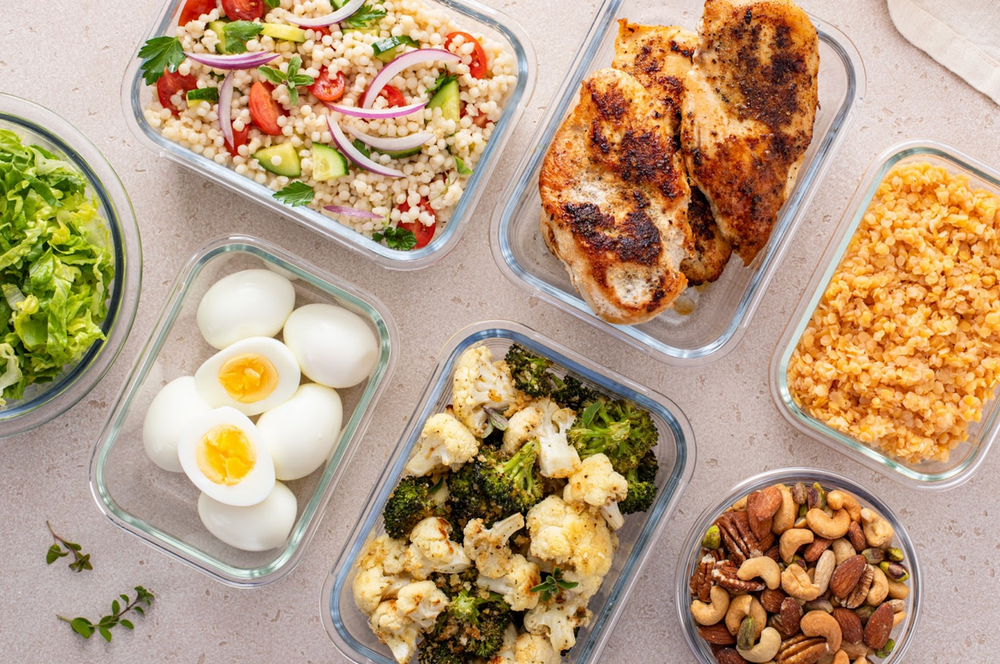
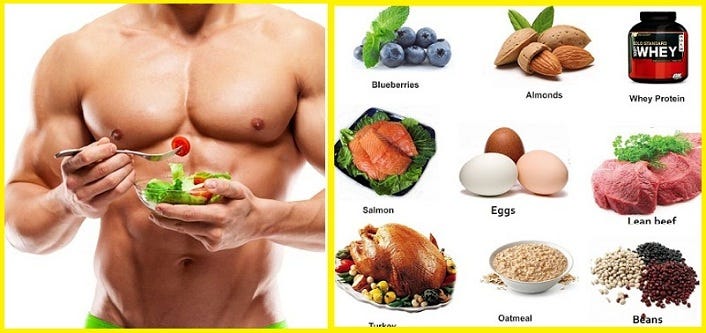
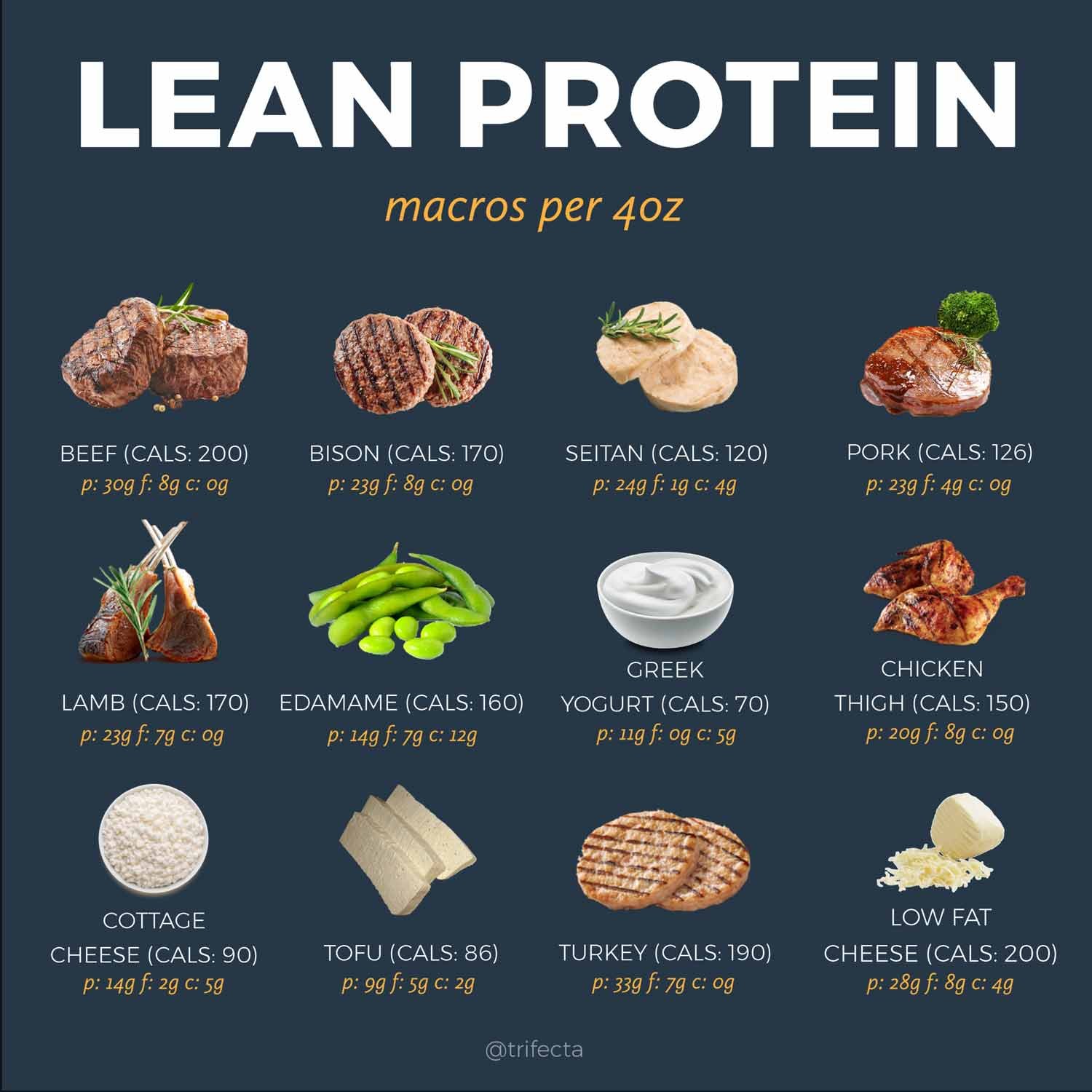
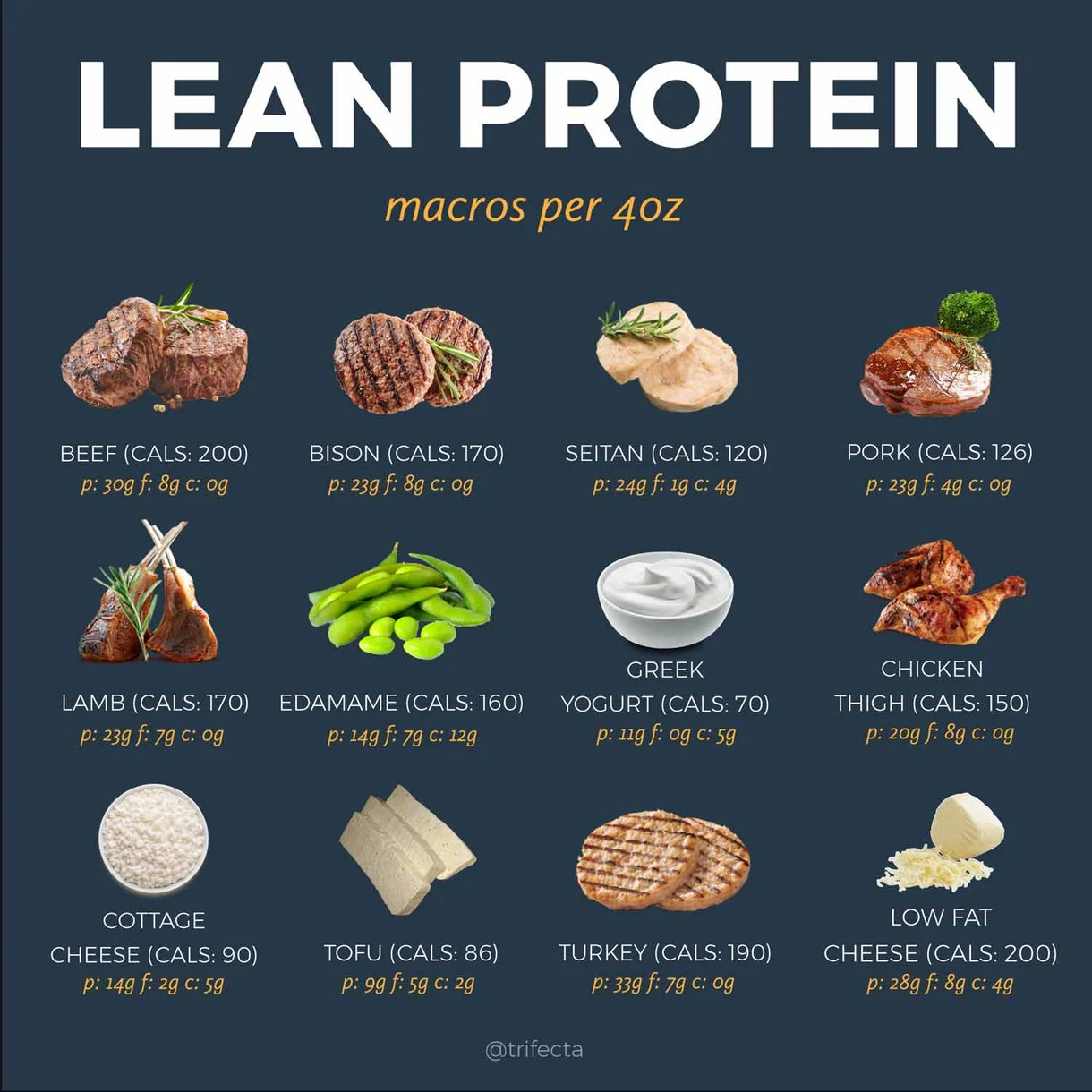
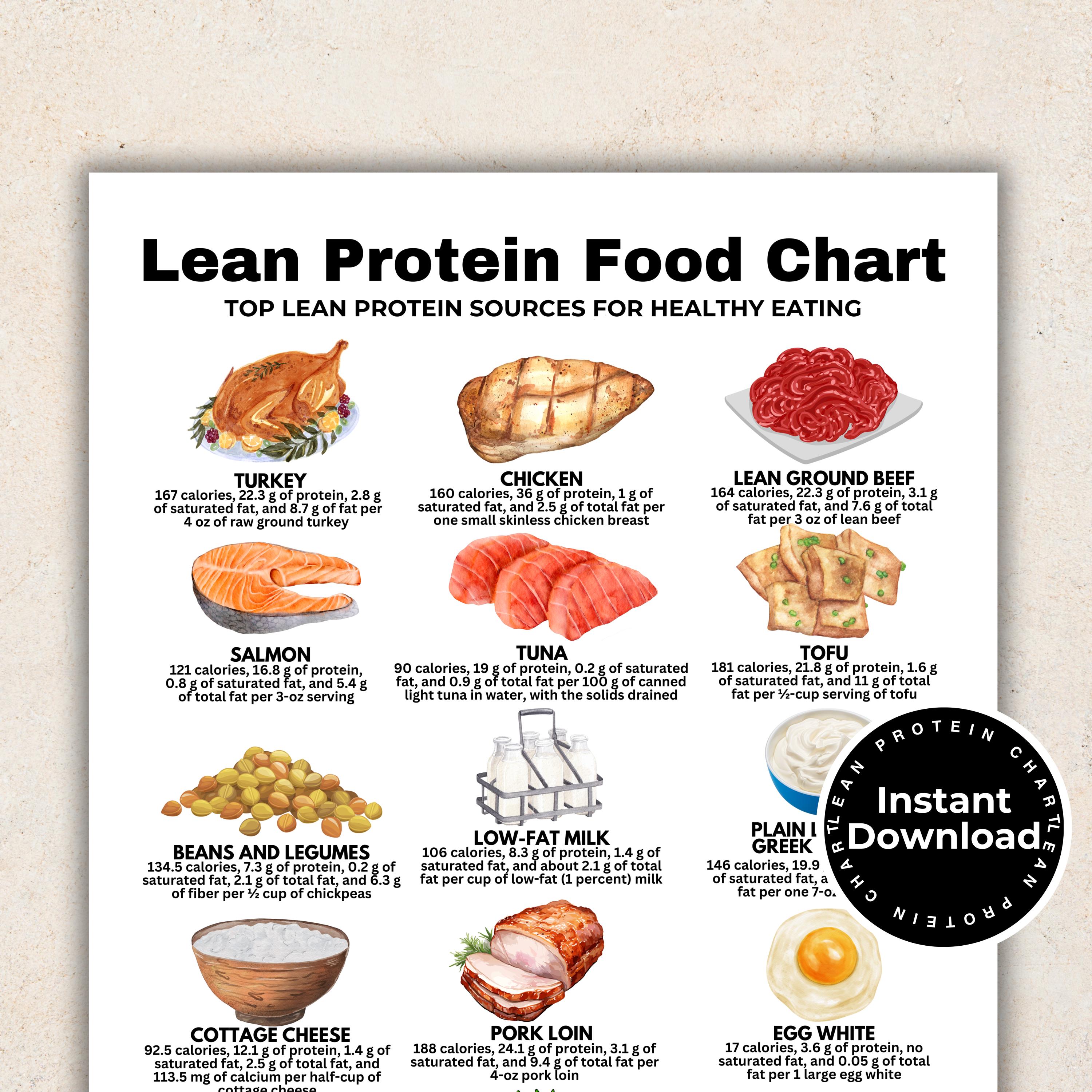
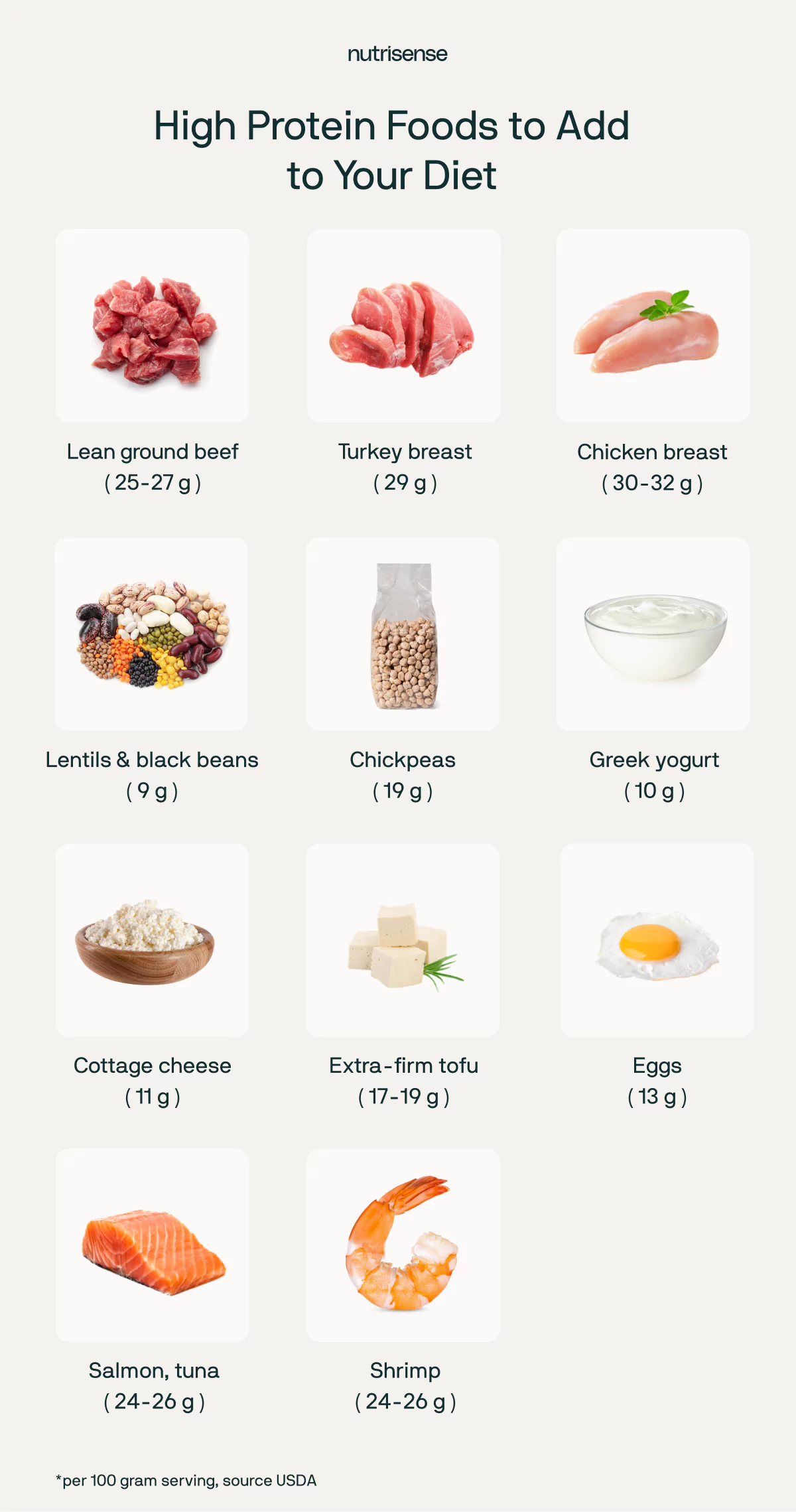
A high-protein diet should focus on lean and nutrient-dense protein sources.
1. Animal-Based Proteins
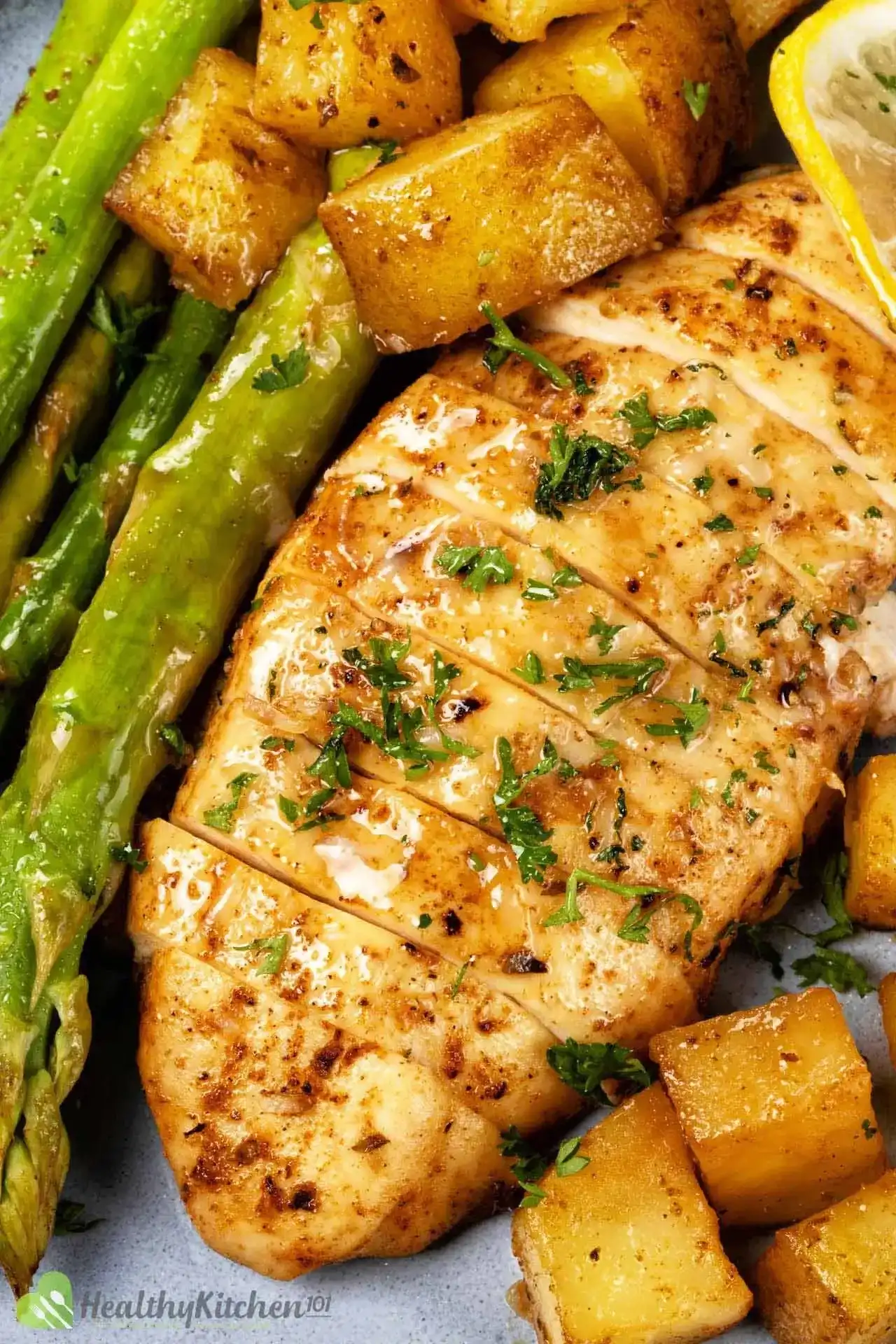
- Chicken breast: Low-fat, high-protein staple
- Turkey: Lean alternative to red meat
- Eggs: Rich in protein and healthy fats
- Fish: Salmon, tuna, and cod provide protein and omega-3 fatty acids
- Low-fat dairy: Greek yogurt, cottage cheese, and milk
2. Plant-Based Proteins
- Legumes: Lentils, chickpeas, and black beans
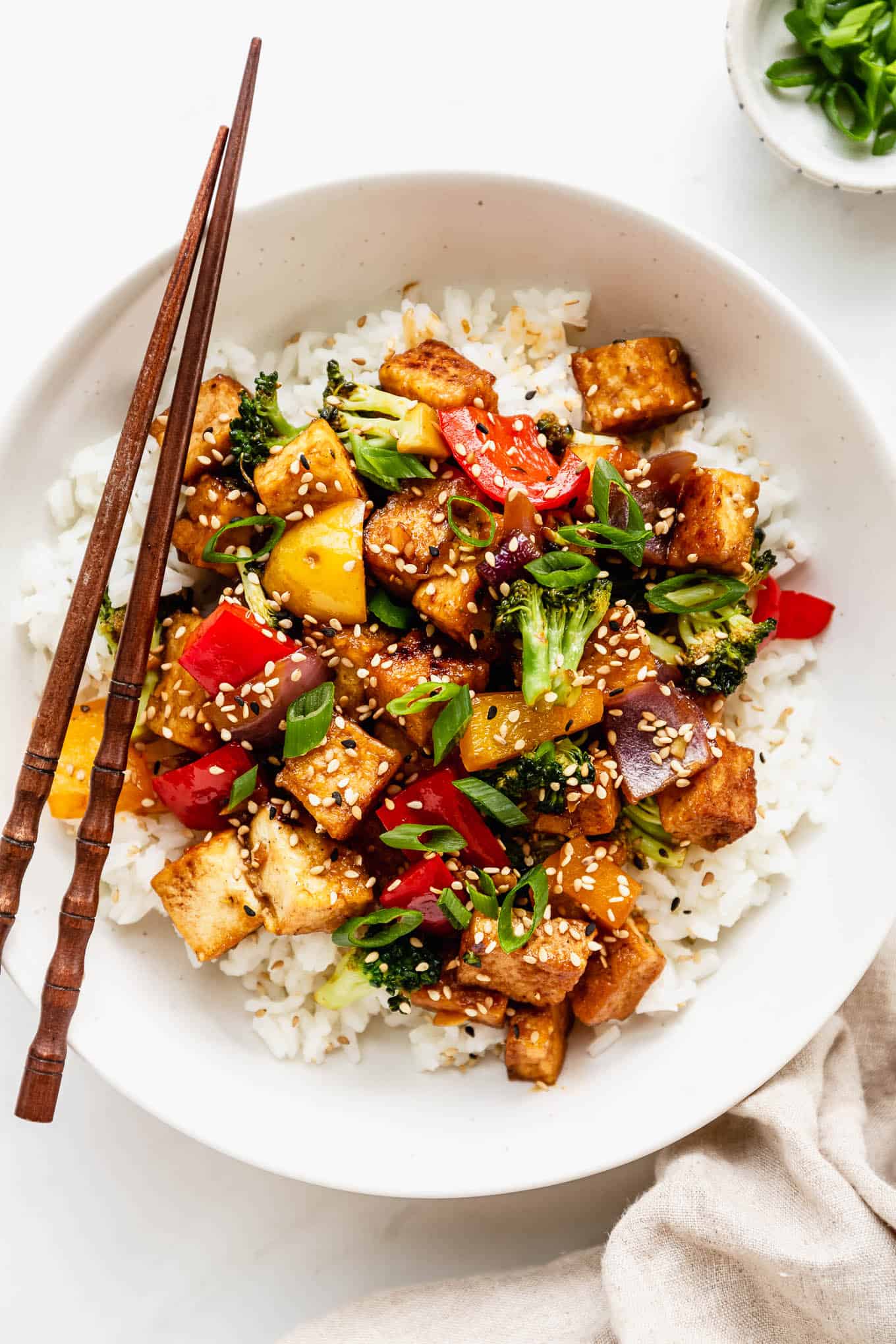
- Soy products: Tofu, tempeh, and edamame
- Nuts and seeds: Almonds, pumpkin seeds, and chia seeds
- Whole grains: Quinoa, buckwheat, and amaranth
Tip: Combining plant proteins throughout the day ensures you get all essential amino acids for muscle repair.




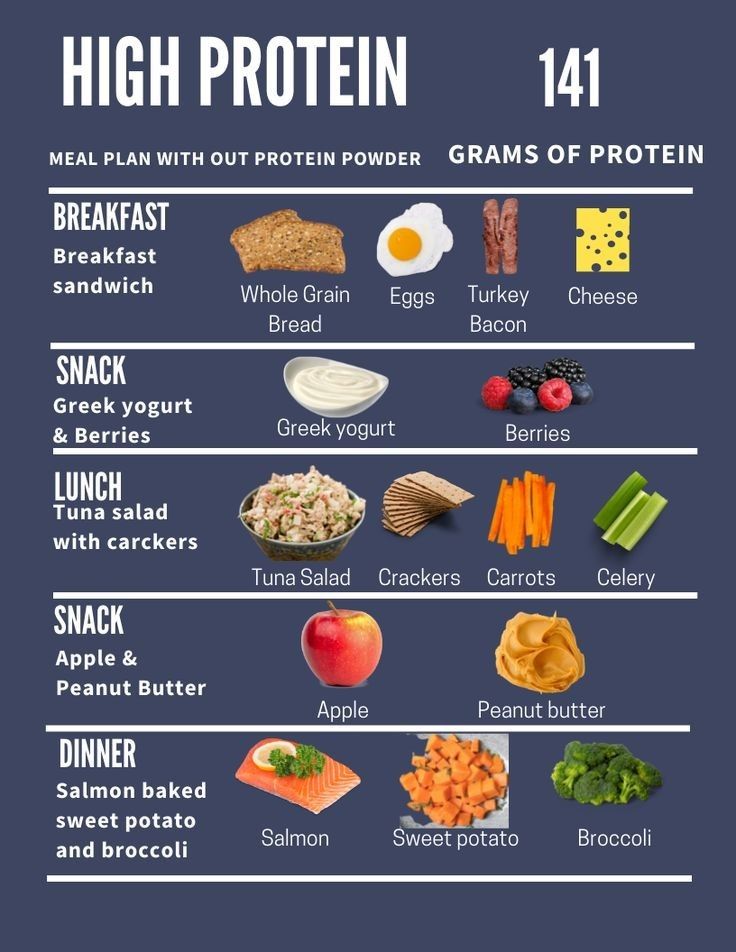
Sample High-Protein Meal Plan for Fat Loss
Here’s a one-day sample plan to help you get started:
| Meal | Food | Protein (g) |
|---|---|---|
| Breakfast | 3 eggs + spinach omelet, 1 slice whole-grain toast | 22 |
| Snack | Greek yogurt with chia seeds | 15 |
| Lunch | Grilled chicken breast, quinoa, broccoli | 35 |
| Snack | Protein smoothie with whey/pea protein + berries | 25 |
| Dinner | Baked salmon, roasted vegetables, lentils | 40 |
This plan provides ~137 grams of protein and balanced nutrition for fat loss.
For more meal ideas, check our article on high-protein breakfast recipes.
Tips for Maximizing Fat Loss on a High-Protein Diet
- Pair Protein with Fiber: Include vegetables and whole grains to improve satiety.
- Time Your Protein Intake: Spread protein throughout the day to maximize muscle synthesis.
- Combine with Resistance Training: Weight training helps preserve lean muscle and boosts fat loss.
- Stay Hydrated: Protein metabolism requires water; aim for at least 2–3 liters per day.
- Track Your Calories: Even with high protein, a calorie deficit is necessary for fat loss.
Common Mistakes on High-Protein Diets
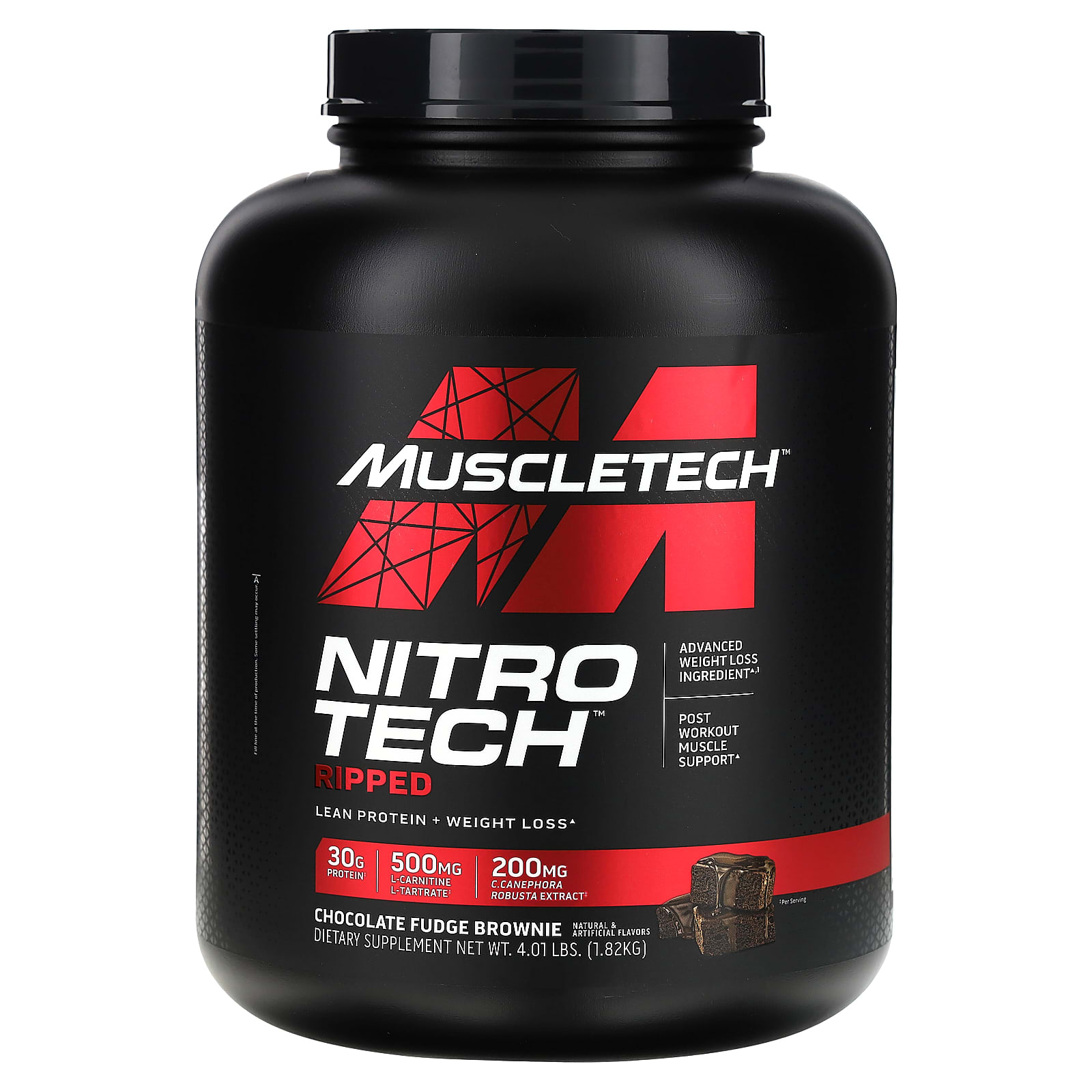
- Relying solely on supplements: Whole foods provide additional nutrients missing in powders.
- Neglecting fats and carbs: Extreme restriction can reduce energy and affect hormonal balance.
- Ignoring hydration: High protein intake increases the need for water to prevent kidney strain.
Avoiding these pitfalls ensures sustainable and effective fat loss.
Benefits Beyond Fat Loss
While fat loss is the primary goal, a high-protein diet offers additional health benefits:
- Supports muscle repair and strength
- Enhances bone health
- Improves blood sugar regulation
- Boosts overall metabolism
These benefits make a high-protein diet a long-term strategy rather than just a short-term fad.
Conclusion
A high-protein diet for fat loss is one of the most effective strategies for achieving a lean, healthy body. By prioritizing protein-rich foods, spreading intake throughout the day, and combining it with resistance training, you can maximize fat loss, preserve muscle, and improve overall health.
Start by gradually increasing protein in your meals, tracking your intake, and focusing on nutrient-dense options. Consistency and sustainability are key.
For additional resources on fat loss, check our posts on intermittent fasting for beginners and common weight loss mistakes to avoid.