Building healthy habits is often easier said than done. We all want to adopt behaviors that improve our physical, mental, and emotional well-being, but maintaining them long-term can be a challenge. The good news? With the right strategies, anyone can create habits that not only last but also transform your life. In this guide, we’ll explore practical steps to help you build healthy habits that stick.




Why Healthy Habits Are Important
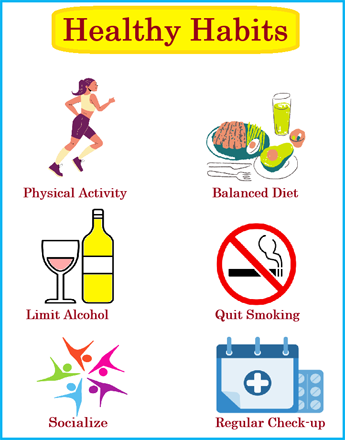
Before diving into techniques, it’s essential to understand why building healthy habits matters. Habits shape the way we live, influencing everything from energy levels and mood to productivity and longevity. Small, consistent changes compound over time, leading to significant improvements in overall well-being.
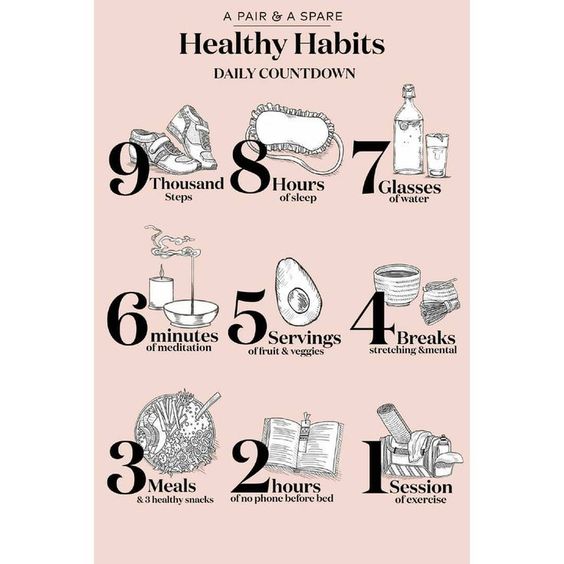
For instance, adopting a habit of drinking more water daily can improve skin health, aid digestion, and boost cognitive function. Similarly, a habit of daily movement or exercise strengthens your heart, muscles, and mental resilience. Healthy habits act as the building blocks of a fulfilling and balanced life.
Internal link suggestion: Check out our guide on how to improve sleep for mental wellness to complement your healthy habit routine.
Step 1: Start Small and Specific
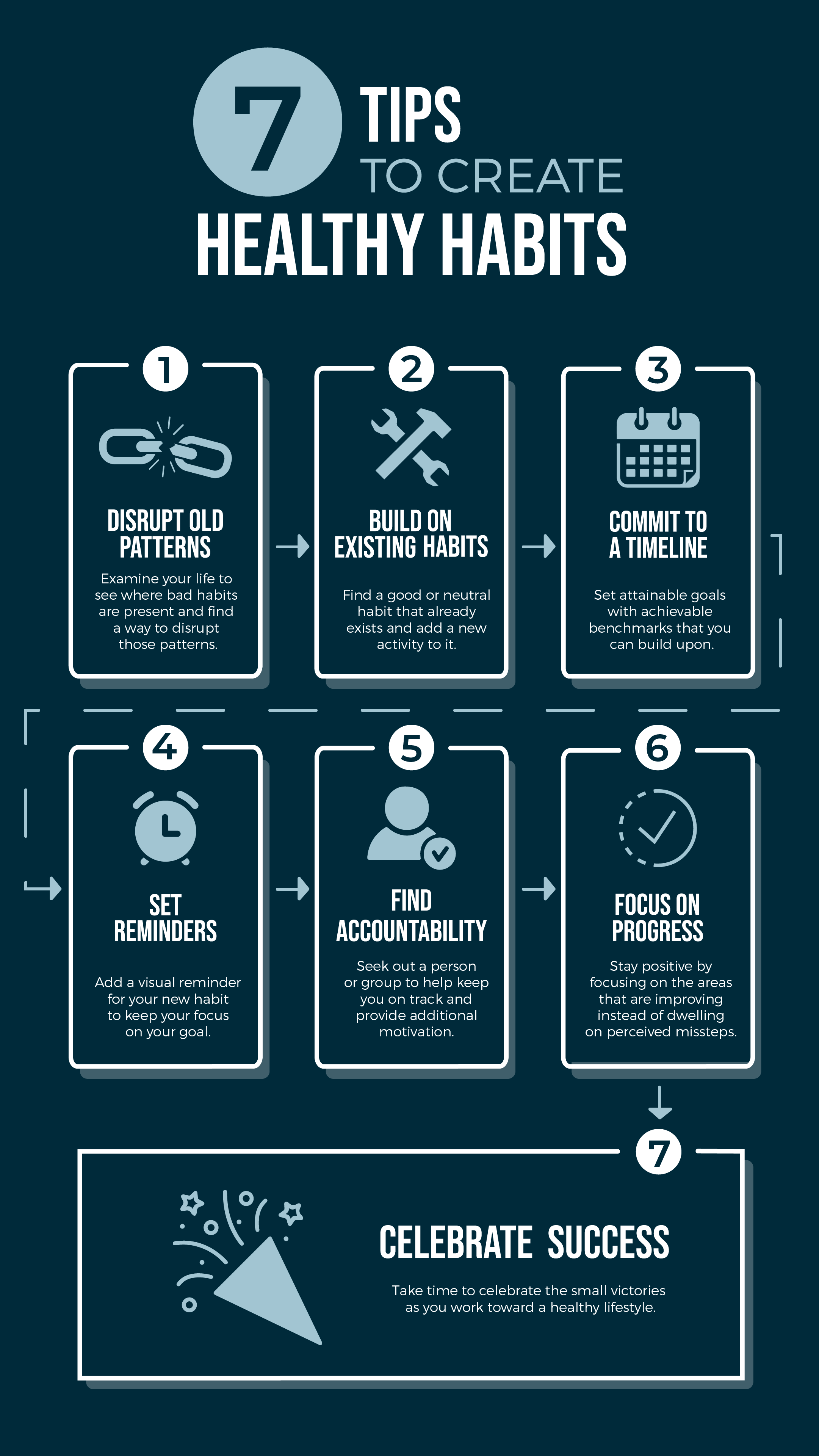
One of the biggest mistakes people make is trying to overhaul their entire lifestyle overnight. This approach often leads to burnout or discouragement. Instead, start small.
For example:
- Instead of committing to an hour-long workout every day, start with a 10-minute morning walk.
- If you want to eat healthier, begin by adding one fruit or vegetable to each meal.
Small, specific habits are easier to track and integrate into your daily life. Over time, these micro-habits become automatic, paving the way for bigger changes.
Pro tip: Use the SMART framework—Specific, Measurable, Achievable, Relevant, and Time-bound—to define your habit goals.
Step 2: Attach Habits to Existing Routines
One of the most effective ways to make habits stick is to anchor them to existing routines. This strategy, often called “habit stacking,” involves pairing a new behavior with a current habit.
Examples of habit stacking:
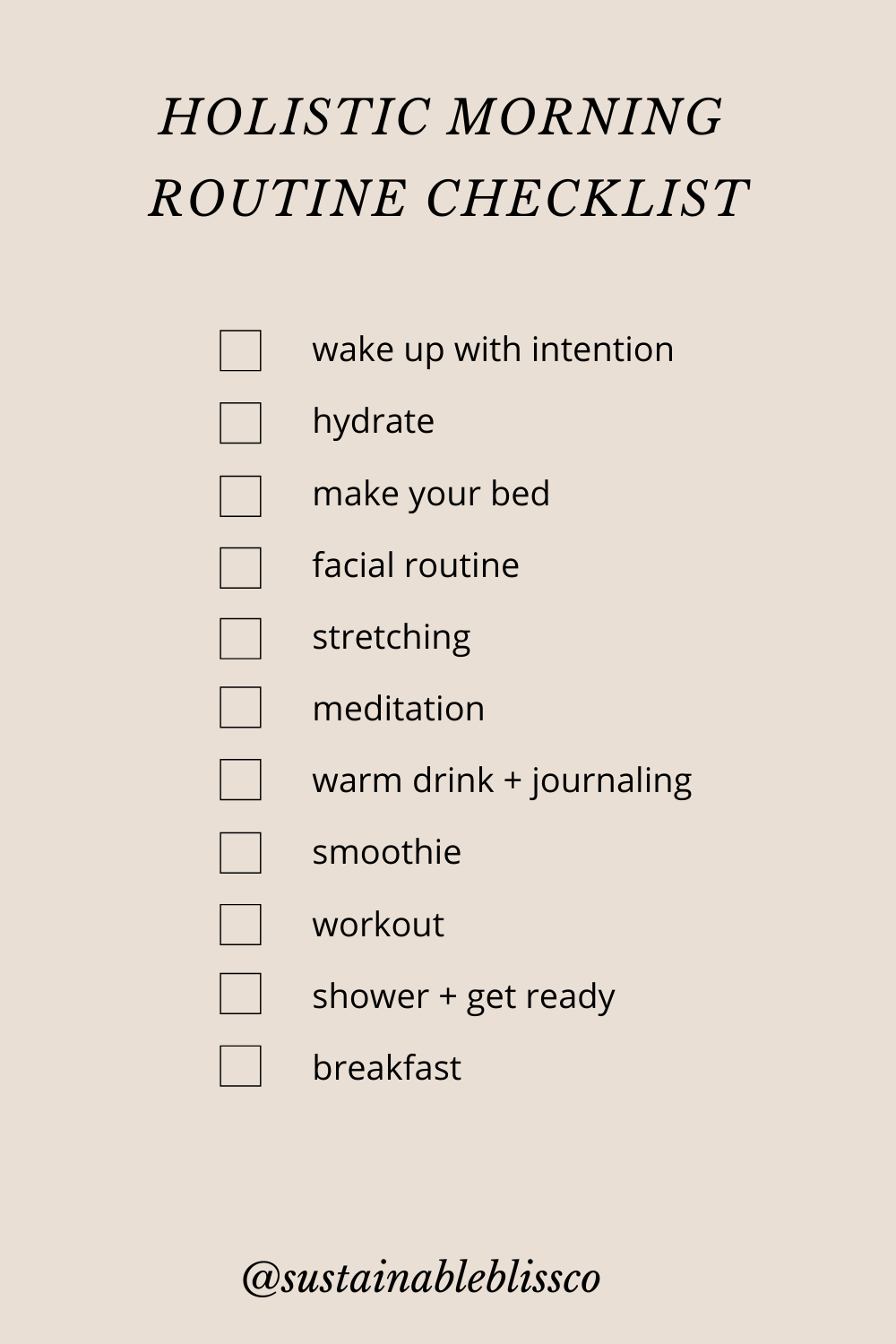
- After brushing your teeth in the morning, drink a glass of water.
- While waiting for your morning coffee, do five minutes of stretching.
- Before going to bed, write down three things you’re grateful for.
By linking new habits to established routines, your brain naturally remembers them, reducing the likelihood of forgetting or skipping them.
Internal link suggestion: Learn more about journaling for mental clarity to enhance your bedtime routine.
Step 3: Focus on Identity, Not Just Behavior
Many people approach habit-building by focusing solely on what they want to do. Instead, try focusing on who you want to become.
For instance:
- Don’t just aim to “exercise more.” Aim to become a person who values and prioritizes health.
- Don’t just try to “eat better.” Become someone who nourishes their body mindfully.
This mindset shift makes it easier to maintain habits because they are now part of your identity. Every time you act in alignment with your desired identity, it reinforces your sense of self, making the habit feel natural rather than forced.
Step 4: Use Visual Cues and Reminders
Your environment plays a critical role in habit formation. Making healthy choices more visible and convenient increases the likelihood of success.
Tips for creating visual cues:
- Place a water bottle on your desk as a reminder to drink water.
- Keep workout clothes in a visible spot to encourage daily exercise.
- Use sticky notes or phone reminders for mindfulness breaks or stretching sessions.
Visual cues reduce decision fatigue by prompting your brain to act without relying solely on willpower.







Step 5: Track Your Progress
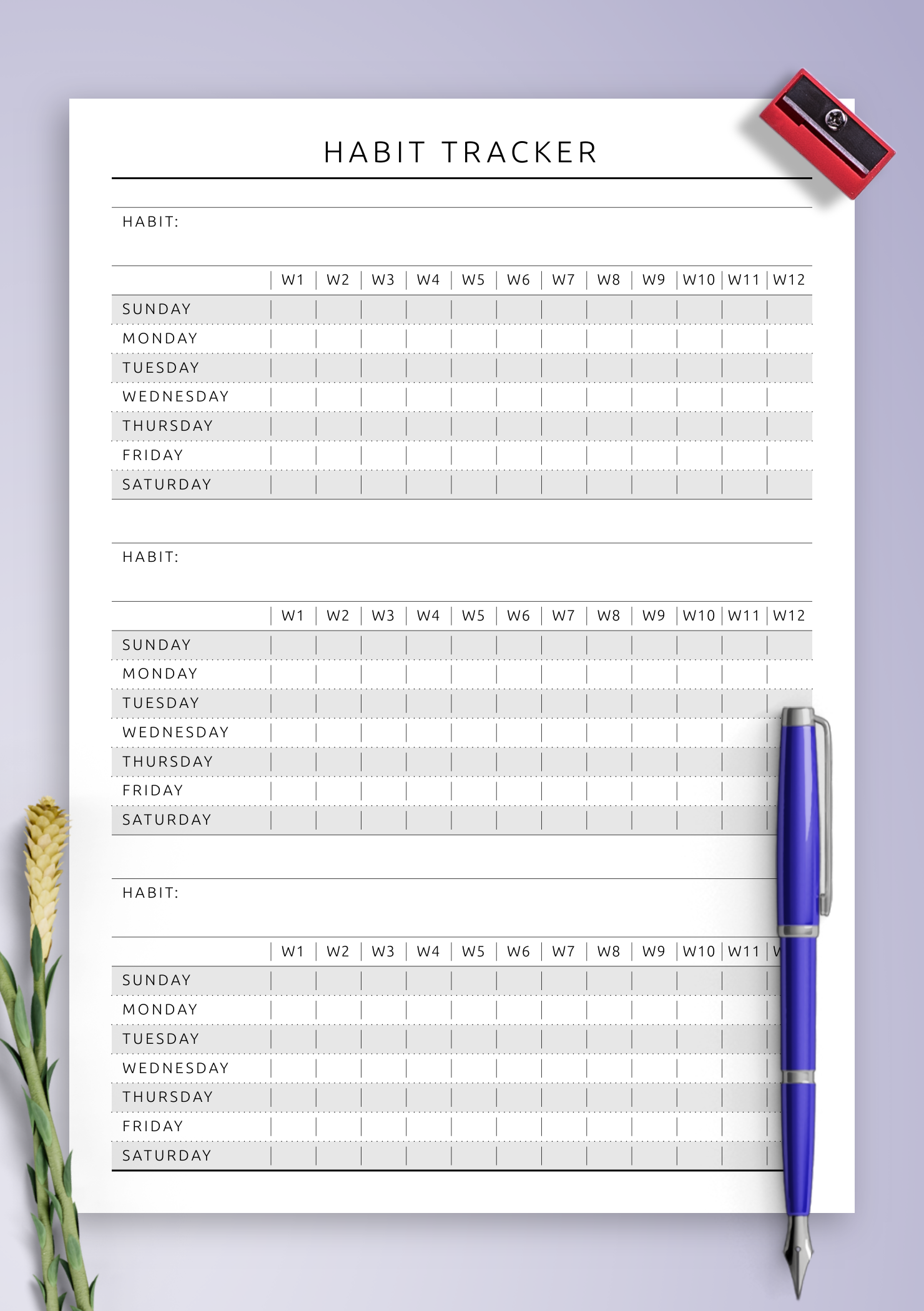
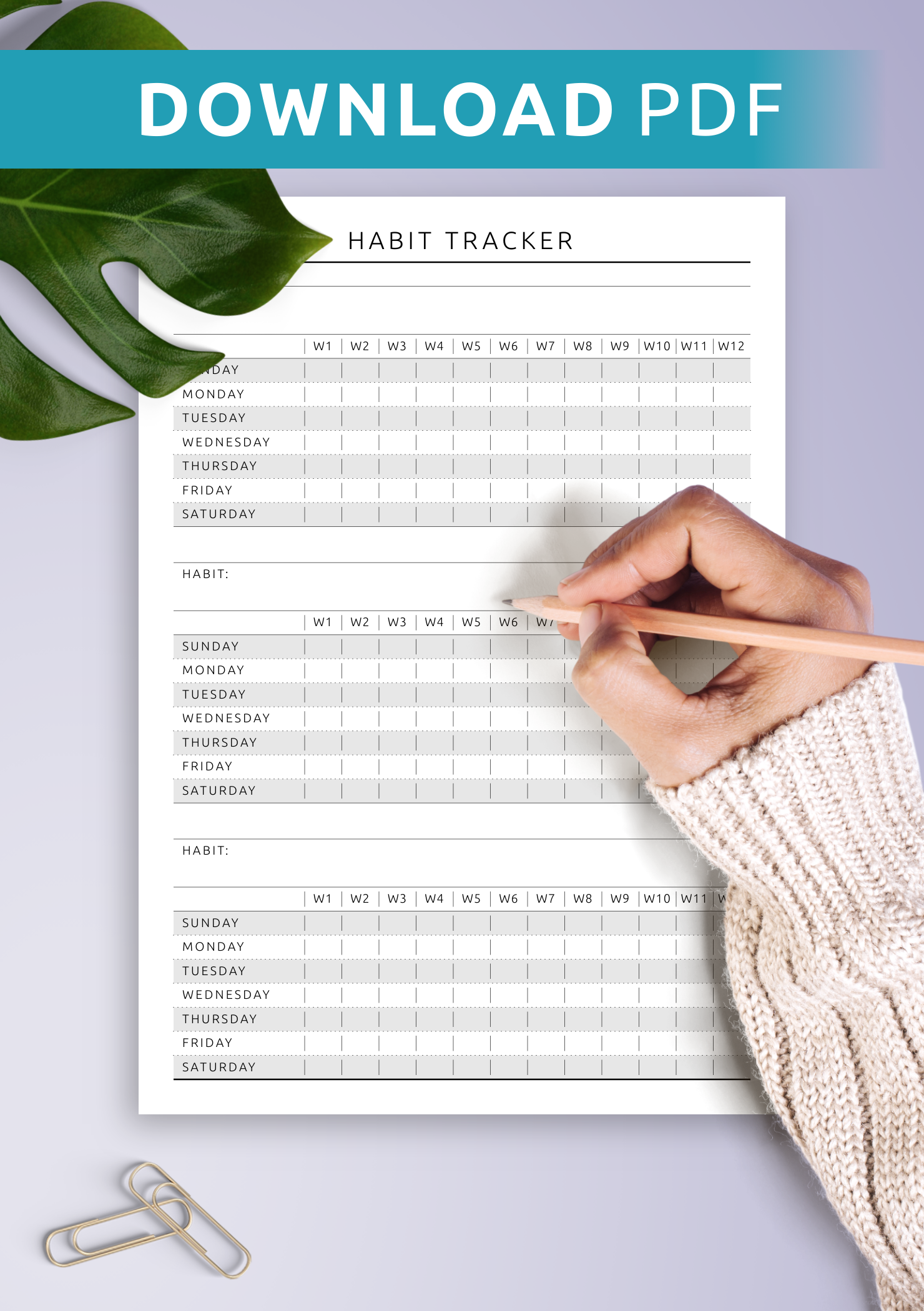
Tracking your habits provides accountability and motivation. It also allows you to see patterns, celebrate small wins, and adjust strategies when needed.
Ways to track habits:
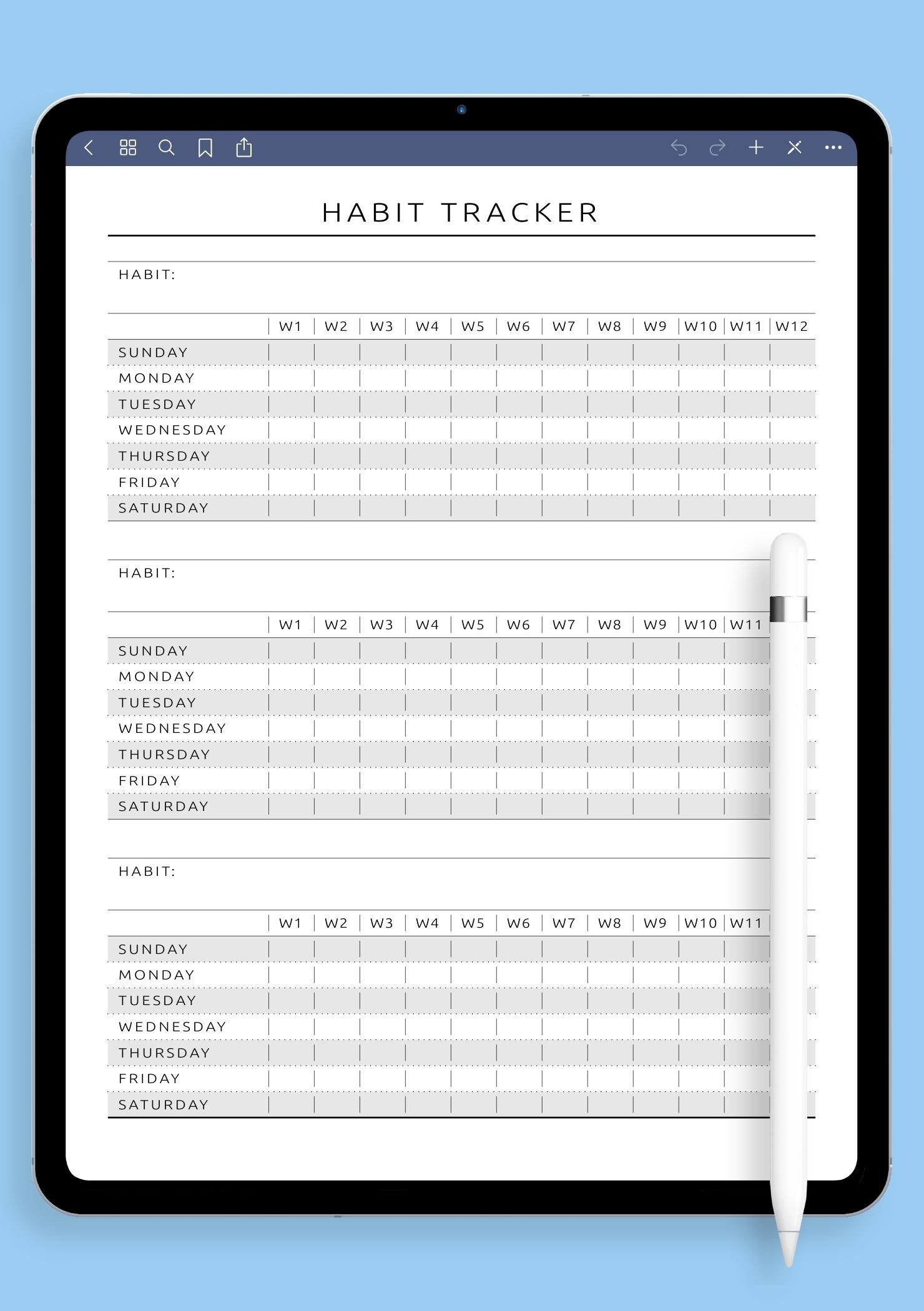
- Use a physical habit tracker or planner.
- Apps like Habitica, Streaks, or Loop Habit Tracker help gamify the process.
- Simply mark a check on your calendar each day you complete the habit.
Seeing progress, even incremental, reinforces consistency and helps turn habits into automatic behaviors.
Step 6: Focus on Consistency Over Perfection
It’s common to fall into the “all or nothing” mindset when starting a new habit. Missing a day doesn’t mean failure—it’s part of the process.
Strategies for staying consistent:
- Aim for frequency over intensity initially. Doing a habit 80% of the time is better than perfect adherence for one week.
- Allow yourself grace on tough days but get back on track immediately.
- Use the “don’t break the chain” method—mark each day you complete your habit and try to maintain a streak.
Consistency beats perfection because habits are built over time through repetition.
Step 7: Make Habits Enjoyable
We’re more likely to stick with habits we enjoy. Try to make your healthy habits something you look forward to rather than a chore.
Examples:
- Choose a workout you genuinely enjoy, whether it’s dancing, cycling, or swimming.
- Experiment with new recipes to make healthy eating fun.
- Pair mindfulness exercises with calming music or nature sounds.
When habits are enjoyable, your brain associates them with positive experiences, which strengthens the habit loop.
Step 8: Find Accountability and Support
Having social support can significantly improve habit adherence. Share your goals with friends, family, or online communities. You can also find an accountability partner or join group challenges.
Benefits of accountability:
- Provides encouragement during setbacks.
- Offers motivation through shared experiences.
- Creates a sense of responsibility to others, which reinforces commitment.
Consider joining a local fitness class, wellness group, or online forum focused on habit-building to increase your chances of success.
Step 9: Anticipate Challenges
Building healthy habits requires planning for obstacles. Life is unpredictable, and setbacks are inevitable.
Tips to overcome challenges:
- Identify triggers that may lead to unhealthy habits, like stress or boredom, and plan alternatives.
- Keep a “plan B” habit ready. For example, if you can’t go for a run, do a 10-minute home workout.
- Practice self-compassion; setbacks are part of the journey, not the end.
By anticipating challenges, you’re more likely to stay on track and maintain momentum over the long term.
Step 10: Reflect and Adjust
Finally, regularly evaluate your habits to ensure they continue serving your goals. Reflection helps identify what’s working, what’s not, and how you can adapt.
Reflection practices:
- Weekly review: Check your habit tracker and note your progress.
- Monthly review: Assess whether the habit aligns with your long-term goals.
- Adjust as needed: Modify habits to make them more effective or sustainable.
Continuous reflection ensures your habits evolve with your lifestyle and remain impactful over time.
Conclusion
Building healthy habits that stick doesn’t require drastic life changes. By starting small, attaching habits to routines, focusing on identity, using visual cues, tracking progress, staying consistent, making habits enjoyable, seeking support, anticipating challenges, and reflecting regularly, anyone can create sustainable, life-enhancing behaviors.
Remember, the key to lasting change is patience and persistence. Every small step adds up, and over time, these micro-actions transform into a healthier, happier, and more resilient you.
Internal link suggestion: Explore more on anxiety relief techniques that work to complement your habit-building journey.