
Losing weight can be a challenging journey, both physically and mentally. Many people start with enthusiasm but struggle to stay consistent over time. Motivation often fluctuates, and without a strategy to maintain it, weight loss goals can stall. In this article, we will explore practical tips and strategies on how to stay motivated during weight loss and ensure long-term success.


Understanding Weight Loss Motivation
Before diving into practical tips, it’s important to understand what drives motivation. Weight loss motivation can come from intrinsic factors, such as improving health or feeling confident, or extrinsic factors, like social recognition or rewards. Research shows that intrinsic motivation tends to sustain long-term habits better than extrinsic motivation, but combining both can be effective.
Common Challenges to Motivation
Even the most dedicated individuals encounter obstacles such as:
- Slow progress: Plateaus can make it feel like your efforts aren’t working.
- Busy schedules: Lack of time for exercise or meal prep.
- Emotional stress: Life stressors can lead to unhealthy eating.
- Comparison with others: Seeing others’ results can create frustration.
Recognizing these challenges is the first step toward staying motivated.
Set Realistic Goals
One of the most important ways to stay motivated is by setting SMART goals: Specific, Measurable, Achievable, Relevant, and Time-bound.
- Specific: Instead of “I want to lose weight,” try “I want to lose 10 pounds in 3 months.”
- Measurable: Track progress using scales, measurements, or photos.
- Achievable: Set goals that are challenging but realistic for your lifestyle.
- Relevant: Ensure your goals align with your personal reasons for weight loss.
- Time-bound: Give yourself a clear timeline to maintain focus.
Breaking large goals into smaller milestones creates a sense of accomplishment, fueling your motivation. For example, celebrate every 5-pound loss or weekly consistency in workouts.
Internal link suggestion: Learn more about setting effective weight loss goals.
Create a Routine That Works
Consistency is key in weight loss. Developing a structured routine reduces decision fatigue and makes healthy choices automatic.
Tips for a Sustainable Routine:
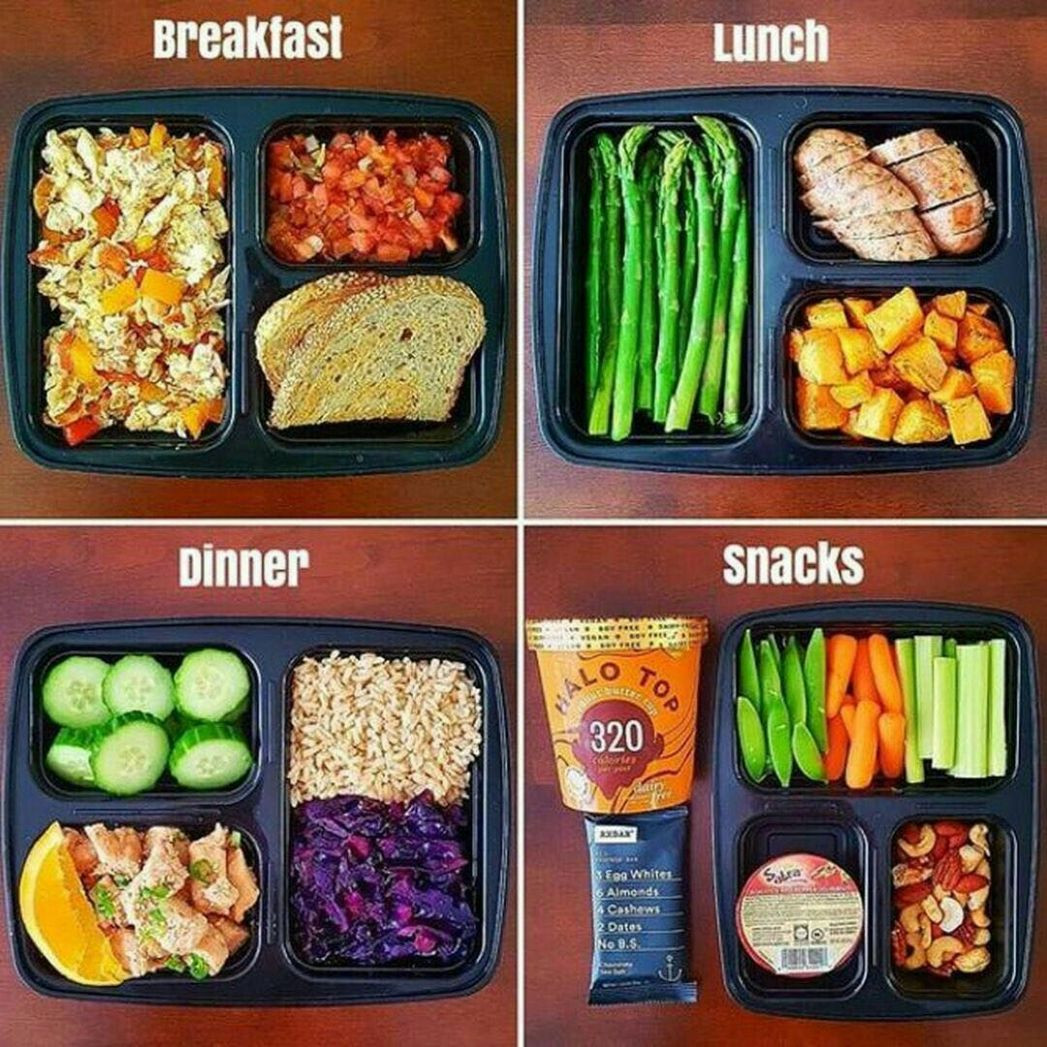
- Plan your meals: Prepare balanced meals in advance to avoid last-minute unhealthy choices.
- Schedule workouts: Treat exercise as an important appointment in your calendar.
- Prioritize sleep: Adequate rest is crucial for energy, appetite control, and metabolism.
- Hydrate regularly: Drinking water helps curb unnecessary snacking and improves energy.
Having a routine also provides a sense of control, which is a powerful motivator during challenging times.
Track Your Progress
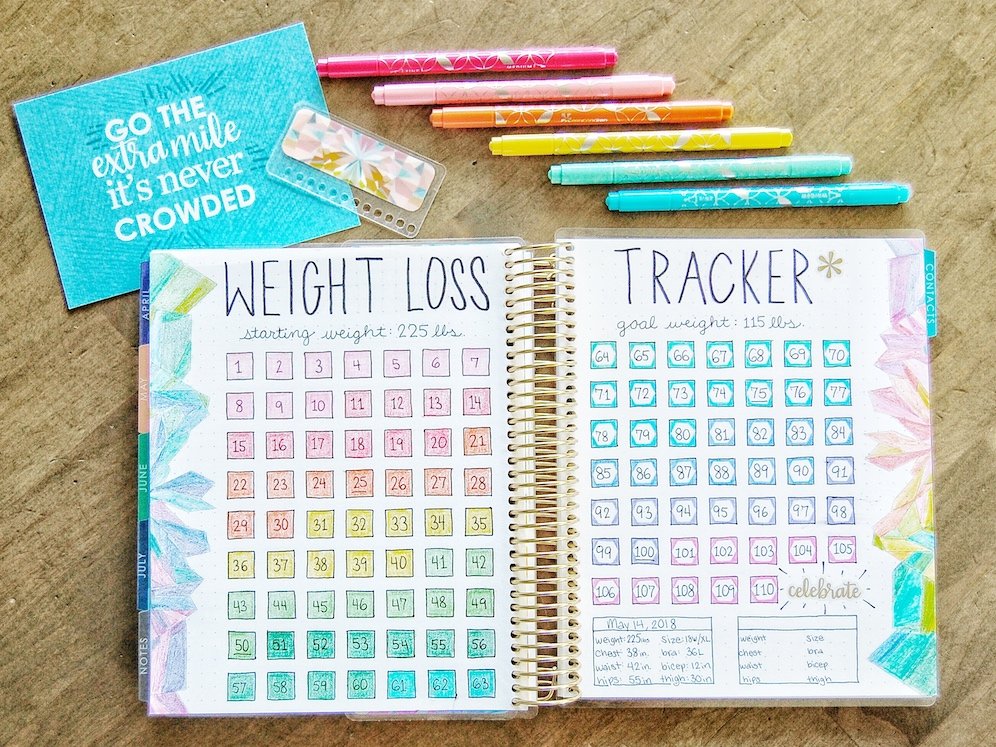
Keeping a record of your journey can provide both motivation and accountability.
- Weight tracking: Weekly weigh-ins can highlight trends rather than daily fluctuations.
- Photos: Before-and-after photos show visible changes that the scale may not capture.
- Fitness logs: Track workouts, steps, or calories burned.
Apps and journals can make tracking easier and more fun. Seeing tangible evidence of progress reinforces your commitment.


Find Your “Why”
Motivation often falters when your reason for losing weight feels abstract. Understanding your deeper “why” can reignite your drive.
- Health-focused why: Reduce the risk of diabetes, heart disease, or improve mobility.
- Appearance-focused why: Feel more confident in clothes or social situations.
- Performance-focused why: Improve stamina, strength, or athletic ability.
Write down your reasons and place them where you can see them daily, like on your fridge or workout space. This constant reminder reinforces motivation.
Celebrate Non-Scale Victories
Weight loss isn’t just about numbers on a scale. Celebrating other forms of progress keeps morale high:
- Fitting into old clothes.
- Increased energy levels.
- Improved sleep quality.
- Enhanced mood and confidence.
Acknowledging non-scale victories creates a positive feedback loop, encouraging continued effort.
Use Support Systems
Support from friends, family, or online communities can dramatically improve motivation.
- Workout buddies: Exercising with someone increases accountability.
- Online groups: Platforms like Reddit or Facebook have weight loss communities.
- Professional help: Nutritionists, personal trainers, or life coaches can provide guidance.
Sharing your journey and challenges allows you to stay accountable and receive encouragement when motivation dips.
Internal link suggestion: Check our guide on finding the best weight loss support systems.
Make Workouts Enjoyable
Exercise is often perceived as a chore, which can hurt motivation. The key is to find activities you enjoy:
- Dancing, hiking, or swimming.
- Group classes or online workout programs.
- Short, high-intensity workouts if time is limited.
Enjoyable exercise transforms it from a task into a fun, rewarding habit, increasing consistency.
Reward Yourself Strategically
Rewards can be a great motivator, but they should not contradict your goals.
- Healthy rewards: New workout gear, a massage, or a weekend activity.
- Avoid food rewards: Celebrating with unhealthy snacks may undermine your progress.
Creating a reward system for milestones boosts morale and reinforces positive behaviors.
Overcome Setbacks
Weight loss journeys are rarely linear. Plateaus or slip-ups are normal. The key is to view setbacks as temporary obstacles, not failures.
- Analyze what caused the setback and plan adjustments.
- Revisit your goals and routines.
- Focus on progress rather than perfection.
Developing resilience ensures long-term motivation and prevents discouragement from derailing your efforts.
Keep Learning and Adapting
Staying motivated also involves continuous learning. Explore new recipes, workouts, or nutrition strategies to keep your journey fresh.
- Experiment with different fitness styles like yoga, pilates, or strength training.
- Discover healthy meal alternatives to prevent boredom.
- Stay updated on the latest weight loss science.
Adapting your routine keeps your journey exciting, preventing burnout.



Mindset Matters
Your mindset plays a crucial role in sustaining motivation. Positive thinking, self-compassion, and patience help maintain consistency.
- Avoid negative self-talk.
- Focus on what you can do, not what you haven’t achieved yet.
- Remind yourself that consistency matters more than perfection.
A strong, positive mindset makes challenges feel manageable and reinforces your commitment.
Conclusion
Staying motivated during weight loss requires a combination of goal-setting, routine, support, and mindset. By understanding your “why,” tracking progress, celebrating victories, and adapting to challenges, you can sustain motivation and achieve lasting results. Remember, the journey is personal, and consistency is key.
Internal link suggestion: For more tips, see our post on how to build sustainable weight loss habits.