

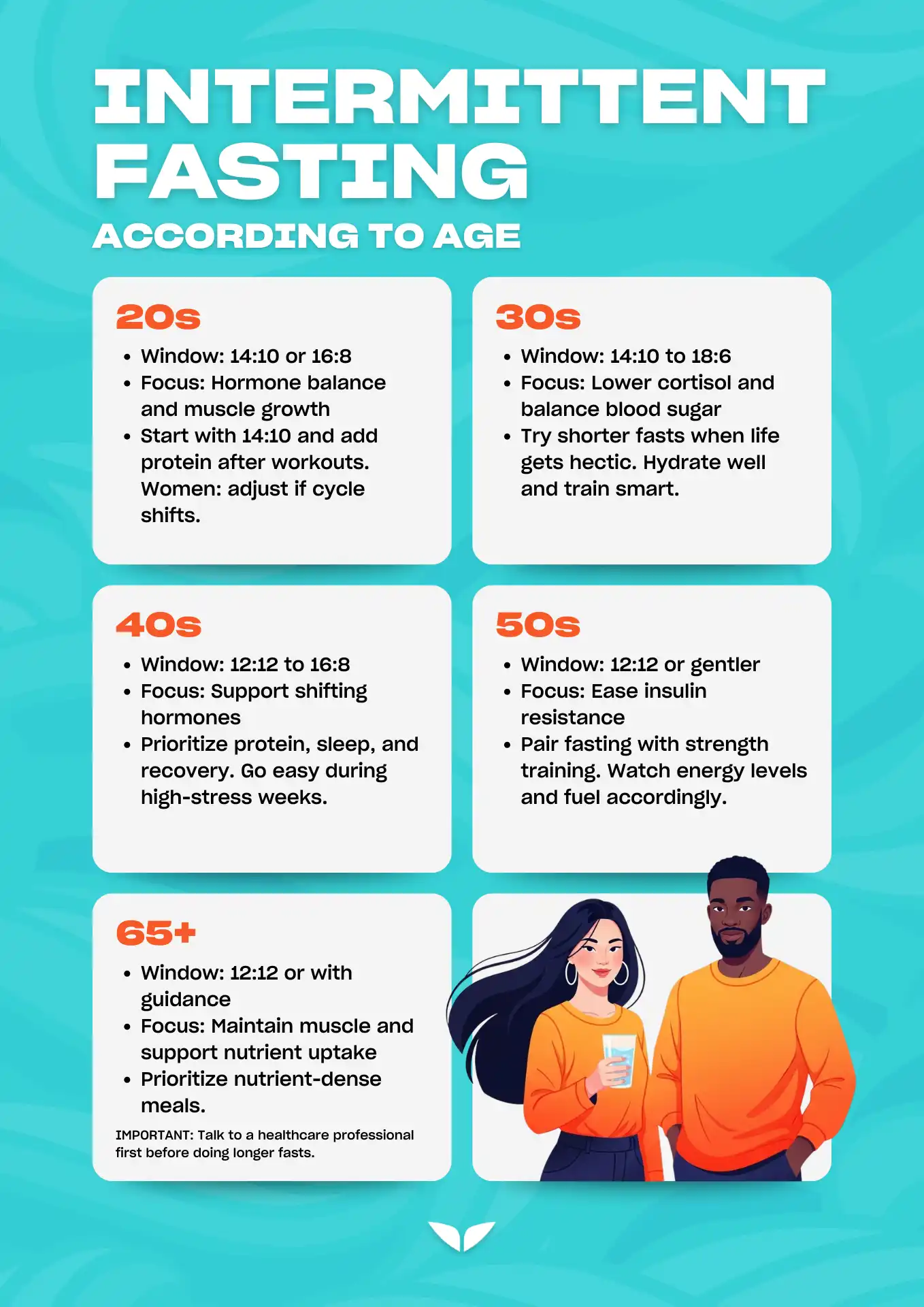
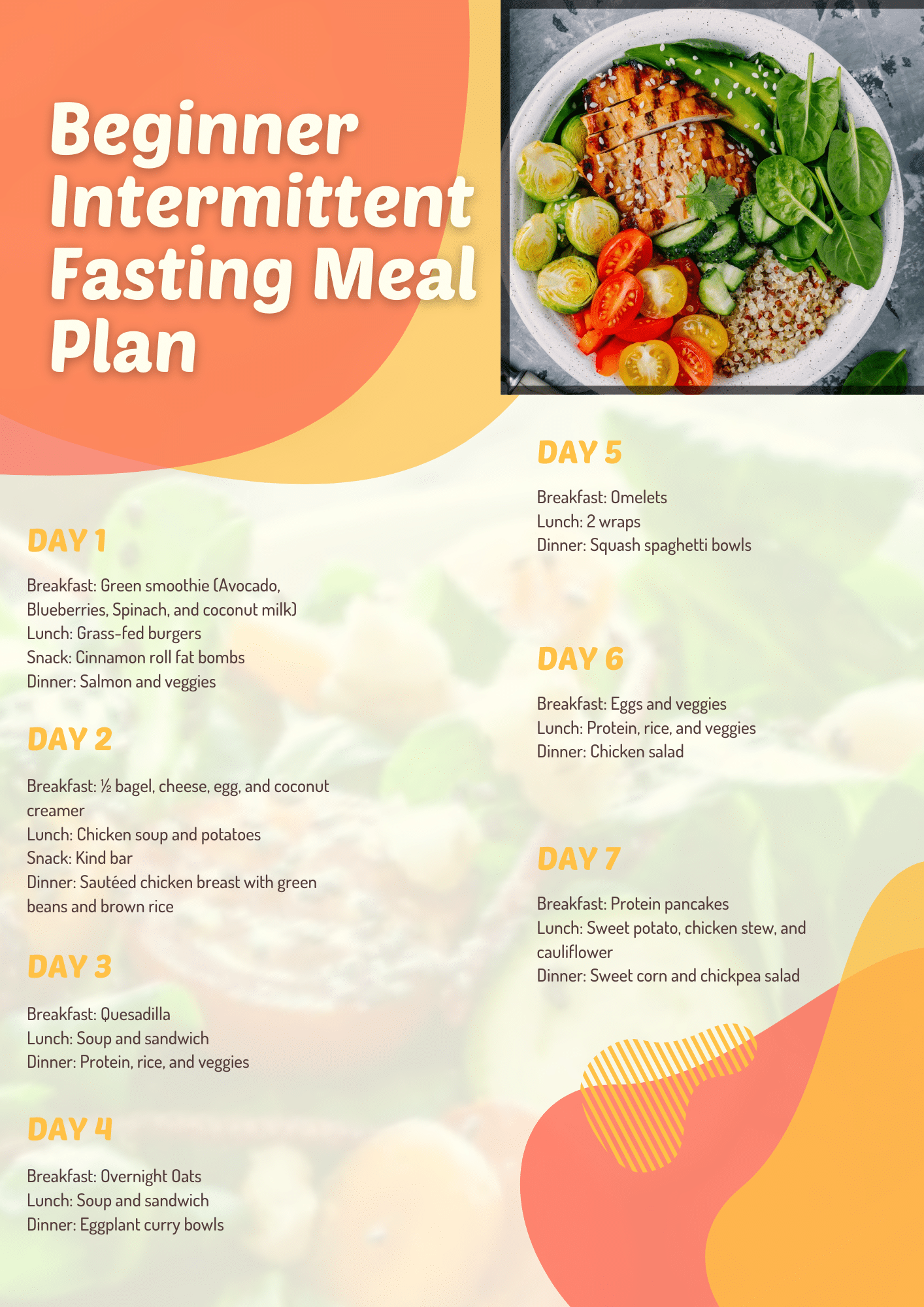
Intermittent fasting has surged in popularity as a powerful lifestyle choice for fat loss, improved energy, and better metabolic health. If you’re new to fasting, this beginner‑friendly guide is designed to walk you through everything you need to know — benefits, methods, tips, common mistakes, and a simple plan to get started.
What Is Intermittent Fasting?
Intermittent fasting (IF) isn’t a diet in the traditional sense — it’s an eating pattern that alternates between periods of eating and fasting.
Instead of focusing on what you eat, it focuses on when you eat. This shift can help your body use stored fat for energy and improve hormonal balance.
How It Works
During fasting periods, your body depletes glucose (blood sugar) from food and eventually turns to stored fat for fuel. This metabolic switch offers benefits beyond weight loss, such as improved blood sugar regulation and cellular repair.
👉 For a deeper dive into dietary plans that complement fasting, see Healthy Eating Tips for Weight Loss.
The Science‑Backed Benefits of Intermittent Fasting
There’s a growing body of research that shows fasting can benefit your health in multiple ways:
🔹 Weight Loss and Fat Burning
Fasting helps reduce calorie intake and increases hormone levels that boost fat burning. Many people lose weight without tracking calories.
🔹 Improved Insulin Sensitivity
IF can lower insulin levels, helping the body handle carbohydrates better and stabilize blood sugar.
🔹 Autophagy: Cellular Cleaning
During fasting, your body begins a repair process called autophagy, removing damaged cells and regenerating healthier ones.
🔹 Better Heart Health
Studies show fasting may reduce risk factors like inflammation, LDL cholesterol, and blood pressure.
🔹 Enhanced Mental Focus
Many people report sharper mental clarity and improved concentration while fasting.
👉 Want more on brain‑healthy foods? Check Top Superfoods for Mental Clarity.
Beginner‑Friendly Fasting Methods
If you’re just starting out, here are the easiest approaches:
🕐 1. 16/8 Method (Most Popular)
- Fast for 16 hours
- Eat within an 8‑hour window
- Example: Eat between 12:00 pm – 8:00 pm
This is perfect for beginners because most of the fasting happens overnight.
🕗 2. 14/10 Method (Gentler Start)
- Fast for 14 hours
- Eat within a 10‑hour window
- Example: Eat between 10:00 am – 8:00 pm
Great for first‑timers adjusting to longer fasts.
🌗 3. 5:2 Diet (Weekly Fasting)
- Normal eating for 5 days
- 2 days of reduced calories (about 500–600 calories)
This method spreads fasting over the week and is less restrictive.
🪙 Alternate‑Day Fasting
- Fast every other day
- Harder for beginners but effective for fat control
What You Can Eat (and Drink)

During Eating Windows
Focus on nutrient‑dense, whole foods:
- Lean proteins (chicken, fish, tofu)
- Healthy fats (avocado, nuts, olive oil)
- Vegetables and leafy greens
- Whole grains (brown rice, oats)
During Fasting Hours
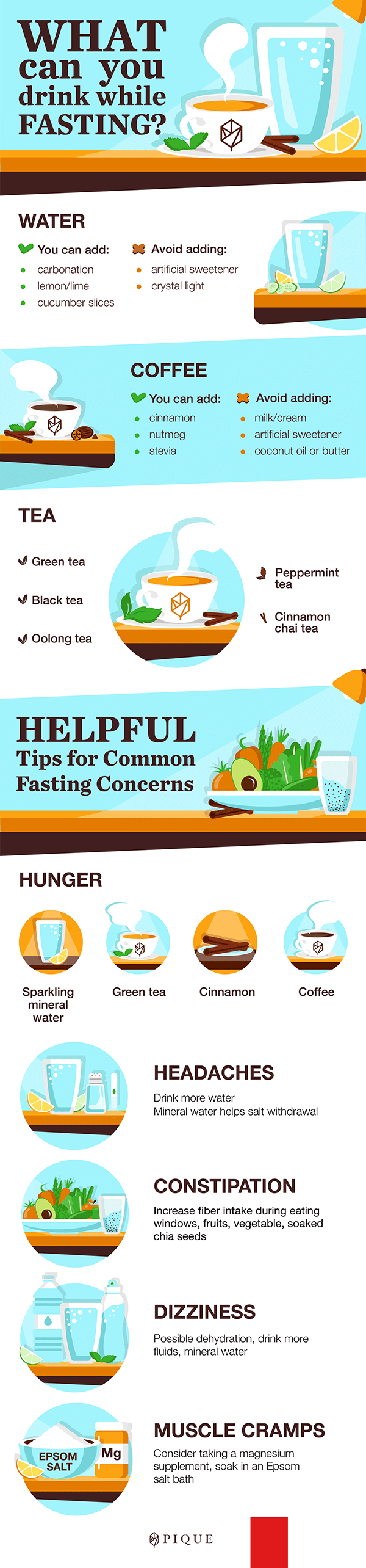
You can drink:
- Water (best choice)
- Black coffee (no sugar/cream)
- Unsweetened tea
These won’t break your fast, and can help curb hunger.
How To Get Started (Step‑by‑Step)
Ready to begin? Follow this simple plan:
Step 1: Pick Your Fasting Window
Choose a fasting schedule that fits your lifestyle: 14/10, 16/8, or 18/6.
Step 2: Stay Hydrated
Drink plenty of water throughout the day — hydration reduces hunger and supports metabolism.
Step 3: Eat Balanced Meals
Include protein, fiber, and healthy fats to feel fuller longer.
Step 4: Track Progress
Use a journal or an app to log:
- Fasting hours
- Meals
- Energy levels
- Sleep patterns
👉 See Beginner’s Guide to Healthy Journaling for tips.
Step 5: Adjust Gradually
If you feel weak or dizzy, shorten your fasting window and increase it slowly over weeks.
Common Challenges & How to Overcome Them
Even with the best intentions, beginners often hit hurdles. Here’s how to navigate them:
❗ Hunger Pangs
Solution: Drink water, herbal tea, or black coffee. Sometimes hunger in early fasting days is psychological and fades over time.
❗ Low Energy Early On
Solution: Get enough sleep and avoid intense workouts during your first fasting week.
❗ Cravings for Sugar
Solution: Eat plenty of protein and fiber during eating windows to stabilize blood sugar.
❗ Social Events and Dinner Plans
Solution: Adjust your eating window flexibly — you don’t have to stick to strict times every day.
Myths vs. Facts about Intermittent Fasting
Here are the most common misconceptions debunked:
❌ Myth: “Fasting Slows Your Metabolism”
Fact: Short‑term fasting can actually boost metabolic rate due to increased norepinephrine.
❌ Myth: “You Can Eat Anything During Eating Window”
Fact: Quality matters! Fasting may reduce calories, but healthy eating still counts.
❌ Myth: “Everyone Should Fast”
Fact: Fasting isn’t for everyone — listen to your body and consult a health professional if in doubt.
Who Shouldn’t Try Intermittent Fasting
Intermittent fasting isn’t safe for everyone. Avoid or get medical advice if you:
- Are pregnant or breastfeeding
- Have a history of eating disorders
- Take insulin or medications that affect blood sugar
- Are underweight or have nutritional deficiencies
Frequently Asked Questions (FAQ)
How soon will I see results?
Most beginners notice changes in 2–4 weeks, especially reduced bloating and improved energy.
Will I lose muscle?
Not when you eat adequate protein and strength train regularly.
Can I exercise while fasting?
Yes — low to moderate workouts are good. Intense training may require food before or after exercise.
Sample Intermittent Fasting Meal Plan (Beginner)
| Time | Meal |
|---|---|
| 12:00 pm | Hydrating water + lunch (salad + lean protein) |
| 3:00 pm | Snack (Greek yogurt or nuts) |
| 7:00 pm | Balanced dinner (vegetables + grains + protein) |
| 8:00 pm | Begin fasting |
Stick to water and tea until your next eating window.
Final Tips for Success
✔ Be consistent — it’s a lifestyle, not a quick fix
✔ Avoid junk food during eating windows
✔ Pair fasting with regular movement
✔ Prioritize adequate sleep and stress management
Conclusion
Intermittent fasting can be a simple, flexible way to improve your health and lose weight without strict dieting. By choosing the right method and listening to your body, you can enjoy benefits like fat loss, better metabolism, and improved mental clarity.
Ready to start your fasting journey? Bookmark this guide and return whenever you need support — progress begins with consistency!