


Digestive issues like bloating, gas, constipation, and indigestion affect millions of people worldwide. While medications can help, natural remedies for digestive problems offer a gentle, sustainable way to improve your gut health — often with fewer side effects. In this article, we explore effective home‑based treatments, backed by science and traditional use.
🌱 Why Focus on Natural Remedies for Digestion?
Digestive discomfort is one of the most common health complaints globally. Poor diet, stress, antibiotics, and sedentary lifestyles can disturb the balance of gut bacteria and slow down digestion.
👉 Natural remedies can:
- Improve nutrient absorption
- Reduce inflammation in the digestive tract
- Restore healthy gut bacteria
- Relieve symptoms like gas and bloating
If you’re struggling with stomach issues, these approaches can work alongside your doctor’s recommendations for long‑term relief.
🧠 Understanding Digestive Problems
Before we look at solutions, it’s important to know what you might be dealing with.
Common Digestive Symptoms
- Bloating & gas
- Constipation
- Heartburn & acid reflux
- Indigestion
- Diarrhea
These symptoms may show up occasionally or chronically, depending on lifestyle or underlying conditions such as IBS or gastritis. For more on gut imbalances, check out our guide on Healthy Gut Foods That Improve Digestion.
🍵 Best Natural Remedies for Digestive Problems
Here are some of the top natural remedies that can help improve digestion:
1. 🫖 Herbal Teas for Soothing the Stomach
Herbal teas have been used for centuries to ease digestion. They contain compounds that relax the digestive tract and reduce inflammation.
Best teas for digestion:
- Ginger tea – Excellent for nausea and reducing inflammation
- Peppermint tea – Soothes gas and bloating
- Chamomile tea – Relieves indigestion and relaxes muscles
👉 Tip: Drink a warm cup after meals to support digestion naturally.
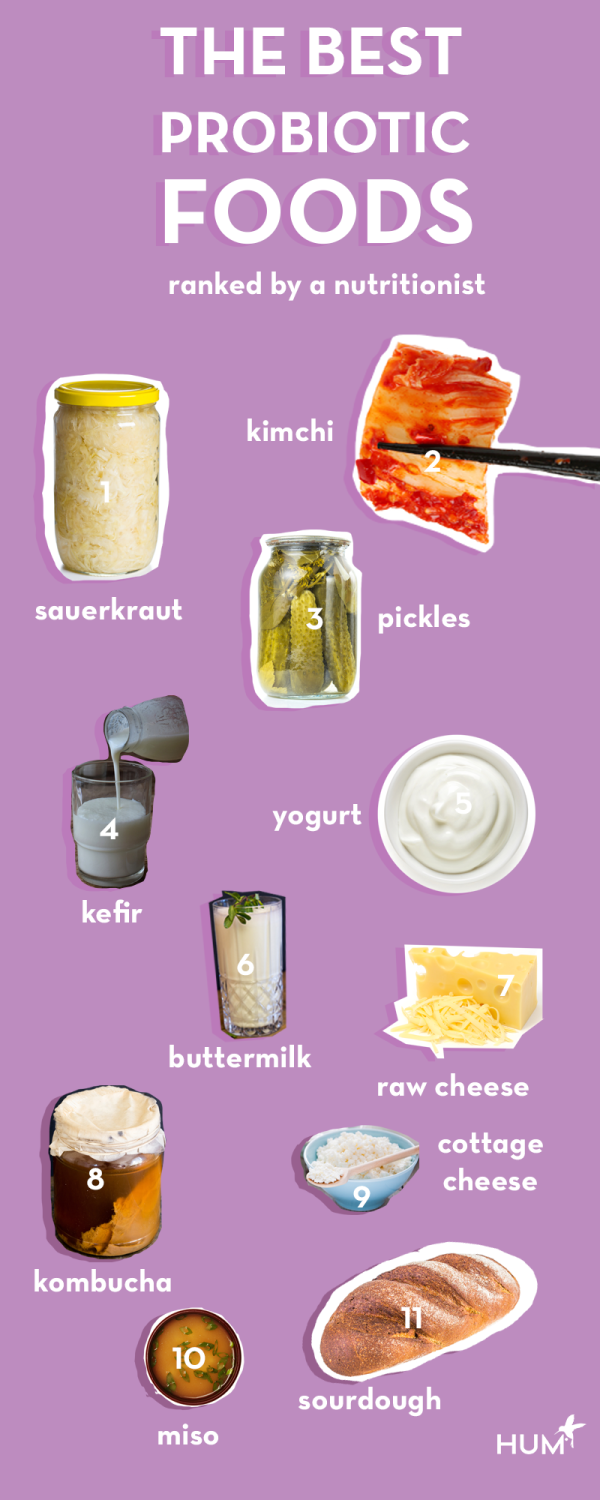
2. 🥬 Probiotic‑Rich Foods
Probiotics are beneficial bacteria that support gut health and help balance your microbiome.
Probiotic foods include:
- Yogurt with live cultures
- Kefir
- Sauerkraut
- Kimchi
- Kombucha
According to studies, probiotics may reduce symptoms of bloating, gas, and constipation by improving intestinal flora.
3. 💧 Hydration & Digestive Health
Water plays a major role in digestion. When you’re dehydrated, your digestive system slows down — leading to constipation and discomfort.
Hydration tips:
- Drink at least 8 glasses of water a day
- Add lemon to warm water in the morning
- Include hydrating foods like cucumbers and watermelon
💡 A well‑hydrated digestive tract moves food efficiently and helps nutrients absorb.
4. 🍽️ Eat Fibrous Foods
Fiber keeps your digestive system running smoothly. It adds bulk to stool, helping prevent constipation.
Top high‑fiber foods:
- Beans and lentils
- Whole grains (oats, barley)
- Berries
- Broccoli and leafy greens
🔗 For detailed fiber sources, visit our post on High‑Fiber Foods for Overall Health.
5. 🧘 Stress Management Techniques
Believe it or not, stress impacts your gut more than you might think. The gut‑brain connection means stress can slow down digestion or trigger symptoms.
Effective stress‑reducing practices:
- Deep breathing exercises
- Meditation
- Yoga
- Gentle walking after meals
📌 When stress decreases, digestion improves naturally.
6. 🥄 Apple Cider Vinegar (ACV) Before Meals
Apple cider vinegar is believed to improve stomach acidity, helping your body break down food more efficiently.
How to take it:
Mix 1–2 tablespoons of ACV in a glass of water before meals.
⚠️ Note: Avoid ACV if you have acid reflux or erosive gastritis — consult your doctor first.
🩺 When to See a Doctor
While natural remedies are effective for mild digestive problems, medical attention is necessary if your symptoms are severe or persistent.
See a healthcare professional if you experience:
- Unexplained weight loss
- Severe abdominal pain
- Persistent diarrhea or constipation
- Blood in stool
- Unexplained vomiting
Your doctor may need to rule out conditions such as ulcers, Crohn’s disease, or food intolerances.
🧠 Lifestyle Habits That Support Digestion
Natural remedies are most effective when paired with healthy habits.
✔ Eat Slowly and Mindfully
Chewing thoroughly reduces workload on your digestive system.
✔ Regular Exercise
Daily movement stimulates bowel activity and supports gut health.
✔ Avoid Trigger Foods
Common triggers include:
- Fried foods
- Excessive caffeine
- Carbonated drinks
- Spicy sauces
If you want to learn more about foods that irritate digestion, check out Foods That Harm Your Gut Health.
🏁 Final Thoughts
Digestive discomfort doesn’t have to be a lifelong issue. By using natural remedies for digestive problems, you can soothe your symptoms and improve your gut health over time. From herbal teas and probiotics to hydration and stress management, these solutions offer gentle support that works with your body.
✨ Remember: Healthy digestion starts with mindful choices — and consistency makes all the difference.
Share Your Experience!
Have you tried any of these remedies? Leave a comment below to share what works for you — and don’t forget to browse our related posts on gut health and nutrition!