

Headaches are one of the most common ailments affecting people of all ages. Whether triggered by stress, dehydration, lack of sleep, or environmental factors, headaches can disrupt your day and lower your quality of life. While medication has its place, many people prefer natural remedies that are safe, gentle, and free from pharmaceutical side effects.
In this article, we explore proven natural remedies for headaches, how they work, and when to use them.
🤕 What Causes Headaches?
Headaches can stem from a variety of factors:
- Tension and stress
- Dehydration
- Poor posture
- Sleep disturbances
- Hormonal changes
- Sinus congestion
- Caffeine withdrawal
Understanding the trigger is the first step toward choosing the right remedy. For more on lifestyle causes, check out our guide on how stress impacts your body.
🌿 Top Natural Remedies for Headaches
Below are some of the most effective natural remedies you can try at home. Many of these are supported by traditional use and scientific research.
1. Hydrate With Water
💧 Why Water Helps
Dehydration is a common cause of mild headaches and migraines. Even a small drop in hydration levels can affect blood volume, which in turn affects oxygen and nutrient delivery to the brain.
💦 How to Use
- Drink a full glass of water at the first sign of a headache.
- Add electrolytes if your headache followed exercise or heat exposure.
- Avoid sugary or caffeinated drinks until your headache subsides.
👉 For more tips on staying hydrated, visit our article on water intake and health.
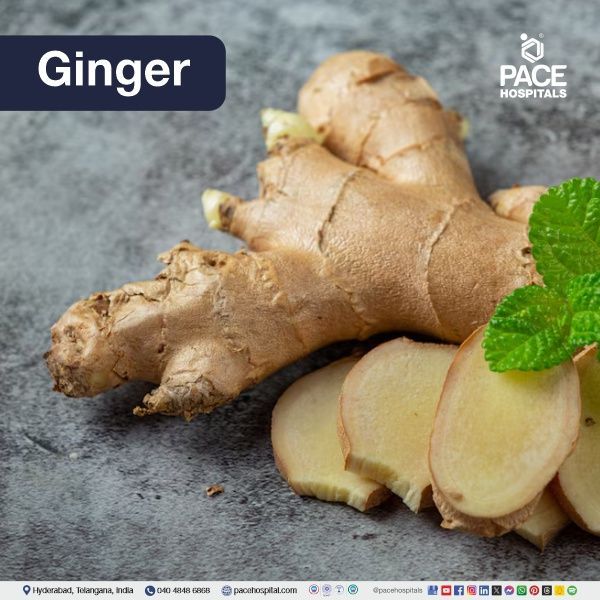
2. Ginger Tea — A Natural Anti‑Inflammatory
🌱 Benefits of Ginger
Ginger contains gingerol, a compound known for its anti‑inflammatory and pain‑reducing properties. Studies suggest ginger may ease headache pain similar to common painkillers.
🍵 How to Make Ginger Tea
- Boil a cup of water.
- Add 1–2 teaspoons of freshly grated ginger.
- Let steep for 10 minutes.
- Strain and enjoy.
Repeat 2–3 times per day if needed.
3. Peppermint Oil for Tension Relief
✨ Uses and Benefits
Peppermint essential oil has a cooling effect and promotes blood flow when applied topically. It may reduce muscle tension around the forehead and temples — a common source of tension headaches.
🔧 How to Apply
- Mix 2–3 drops of peppermint oil with a carrier oil (like coconut oil).
- Rub gently on your temples, forehead, and back of your neck.
- Breathe deeply while massaging to enhance relaxation.
⚠️ Avoid contact with eyes and mucous membranes.
4. Warm or Cold Compress
❄️ Cold for Migraine
A cold compress can numb the pain and reduce blood flow to the forehead, making it effective for migraine relief.
♨️ Warm for Tension
A warm compress helps relax tight muscles in the neck and shoulders, which often contribute to tension headaches.
👩🔬 How to Use
- For cold: wrap ice or a cold pack in a towel and apply for 10–15 minutes.
- For warm: use a warm towel or heating pad for 15–20 minutes.
- Alternate if needed.
5. Acupressure and Massage
🧠 The Power of Touch
Acupressure stimulates points that may relieve headache pain. One effective point is LI‑4, located between the thumb and index finger.
🤲 How to Practice
- Press and hold the LI‑4 point on both hands simultaneously.
- Use firm, steady pressure for 2–3 minutes.
- Repeat as needed.
Massage techniques around the neck, shoulders, and scalp can further reduce tension.
6. Magnesium — A Natural Mineral
💪 Why Magnesium Works
Magnesium plays a role in nerve function and may help prevent migraines by blocking pain‑transmitting chemicals in the brain.
🥦 Sources of Magnesium
- Almonds, cashews, and peanuts
- Spinach and leafy green vegetables
- Whole grains
- Pumpkin seeds
Supplements can also help but consult your doctor before starting high doses.
💡 Learn more in our post on essential minerals for overall wellness.
7. Mindfulness & Deep Breathing
🧘 Relaxation Techniques
Stress is a major headache trigger. Practices like deep breathing and mindfulness help calm the nervous system, reducing headache frequency and severity.
🧠 Try This Exercise
- Sit in a quiet place.
- Inhale slowly through your nose for 4 seconds.
- Hold for 2 seconds.
- Exhale slowly through your mouth for 6 seconds.
- Repeat for 5–10 minutes.
Regular practice can reduce both stress and headache intensity.
🧪 When to Seek Medical Attention
While most headaches can be managed naturally, contact a healthcare provider if:
- Pain is sudden, severe, or unlike any before
- Headache lasts more than a few days
- It’s accompanied by fever, weakness, vision changes, or confusion
- You experience repeated migraines disrupting daily life
These could be signs of a more serious condition requiring medical care.
🌟 Lifestyle Tips to Prevent Headaches
Prevention is often easier than treatment. Try these lifestyle habits:
⏰ Maintain a Sleep Routine
Getting consistent, restorative sleep reduces headache frequency.
🍽 Eat Regular Meals
Skipping meals can trigger headaches due to changes in blood sugar levels.
🏃 Move More and Stretch
Regular exercise improves circulation and reduces tension.
👀 Reduce Screen Time
Extended screen use can strain the eyes and worsen headaches. Take regular breaks.
🧠 Summary: Choosing the Best Natural Remedy
| Remedy | Best For | How It Helps |
|---|---|---|
| Water | Dehydration headaches | Rehydrates and restores blood volume |
| Ginger tea | Mild pain | Reduces inflammation |
| Peppermint oil | Tension | Soothes muscles and improves circulation |
| Compresses | Migraine or tension | Alters blood flow, relaxes muscles |
| Acupressure | Tension | Stimulates relief points |
| Magnesium | Chronic migraines | Supports neurological health |
| Deep breathing | Stress-induced | Calms the nervous system |
📌 Final Thoughts
Natural remedies for headaches can be effective, safe, and empowering. Everyone responds differently, so it may take some experimenting to find what works best for you. When in doubt, combine gentle home therapies with professional advice.