


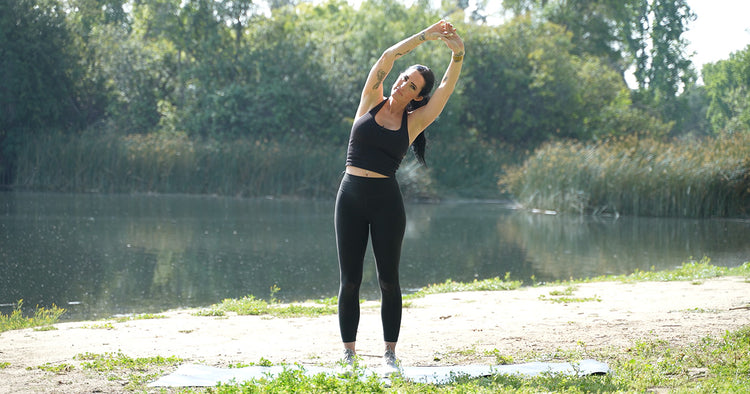
Whether you’re new to fitness or easing back into movement, a stretching routine is one of the most effective ways to improve flexibility, reduce injury risk, and feel better in your body. In this article, we’ll walk you through a beginner‑friendly stretching routine, explain why stretching matters, and show you how to safely incorporate it into your daily life.
👉 Pro Tip: Bookmark this post to reference your new go‑to stretching flow!
🧠 Why Stretching Matters
Stretching isn’t just for athletes — everyone can benefit. Here are the top reasons to add a stretching routine to your day:
- Improves flexibility and range of motion
- Enhances posture and alignment
- Reduces muscle tension and soreness
- Prepares your body for physical activity
- Boosts circulation and relaxation
If you’re curious about how stretching impacts other areas of fitness, check out our post on Benefits of Daily Exercise for more insights.
🧍♂️ Who Should Follow This Routine?
This stretching routine is ideal for:
- Busy professionals
- New exercisers
- Anyone recovering from prolonged sitting
- People looking to improve mobility
If you’re dealing with a specific injury or chronic pain, consider talking to a physical therapist before starting.
📅 How Often Should Beginners Stretch?
Consistency is key. For best results:
- Stretch 5–6 days per week
- Spend 10–15 minutes per session
- Hold each stretch for 20–30 seconds
- Breathe deeply throughout your routine
If you’d like a guide to help track your mobility progress, see our article on Creating a Fitness Warm‑Up Plan.
🧘♀️ Full Beginner Stretching Routine (Step‑by‑Step)
Ready to get started? Follow this easy sequence.
🔹 1. Neck Tilts
- Sit or stand tall
- Gently tilt your head toward your right shoulder
- Hold for 25–30 seconds
- Switch sides
Benefits: Relieves neck stiffness from desk work.
🔹 2. Shoulder Rolls
- Stand with feet hip‑width apart
- Roll shoulders forward 5 times
- Then backward 5 times
Benefits: Loosens shoulder joints and upper back.
🔹 3. Arm Cross Chest Stretch
- Bring one arm across your chest
- Gently pull with the opposite hand
- Hold 30 seconds per side
Targets: Upper back, deltoids
🦵 Lower Body Stretching
Lower body flexibility supports walking, running, and daily movement.
🔹 4. Quadriceps Stretch
- Stand tall and grab your ankle
- Keep knees close together
- Hold 30 seconds each leg
Tip: Use a wall for balance if needed.
🔹 5. Hamstring Stretch
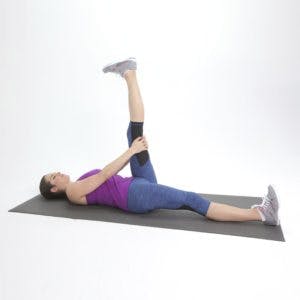
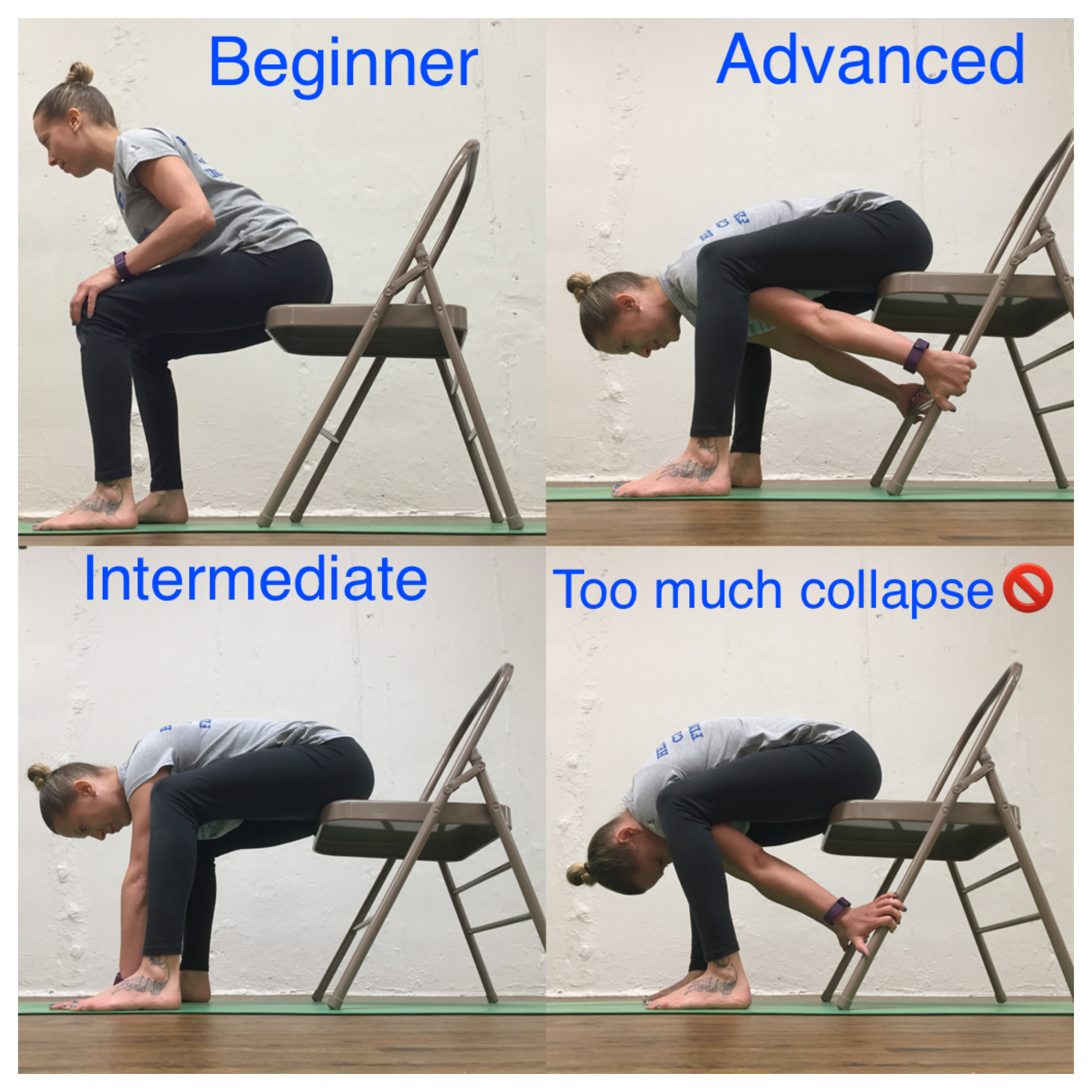
- Sit on the floor
- Extend your legs
- Reach toward your toes
- Hold for 30 seconds
Benefits: Increases flexibility along the back of your legs.
🔹 6. Hip Flexor Stretch
- Step into a lunge
- Press hips forward
- Hold 30 seconds per side
Important: Keep your back straight.
🦶 Cool Down Stretching
After your routine, it’s important to finish with full‑body cool down stretches.
🔹 7. Calf Stretch
- Stand facing a wall
- Step one foot back
- Press heel down
- Hold 30 seconds each side
🔹 8. Child’s Pose
- Kneel on the floor
- Sit back on heels
- Reach arms forward and breathe
- Hold 30–45 seconds
Benefits: Perfect end to your routine, calming the mind and releasing lower‑back tension.
📝 Stretching Safety Tips for Beginners
To make the most of your stretching routine without risking injury:
- Never bounce in a stretch
- Avoid pain — only gentle tension
- Always warm up briefly before stretching (e.g., light walking)
- Breathe slowly and release tension on exhale
For more on safe movements, you might like our post on 5 Mistakes Beginners Make in Workouts.
🕒 Sample Weekly Plan
Here’s how to fit your stretches into a weekly schedule:
| Day | Stretch Routine |
|---|---|
| Monday | Full Routine |
| Tuesday | Quick 10‑Minute Stretch |
| Wednesday | Full Routine |
| Thursday | Rest or Gentle Stretch |
| Friday | Full Routine |
| Saturday | Stretch + Light Walk |
| Sunday | Rest |
Staying consistent pays off faster than you think!
🌱 Tips to Stay Motivated
Starting a new routine can be tough — here are helpful strategies:
- Stretch while watching TV or listening to music
- Track your progress in a fitness journal
- Set small weekly goals (e.g., improve flexibility by mid‑month)
Consistency helps build long‑term habits and wellness.
❓ Common FAQs
Q: Should I stretch before or after exercise?
A: Aim for dynamic stretches before activity and static stretches like this routine afterwards.
Q: Can stretching help with back pain?
A: Yes! Especially stretches focused on hips and hamstrings can relieve lower‑back tension.
Q: How long until I see results?
A: Many people notice improved flexibility in 2–4 weeks with regular practice.
For more detailed guidance, see our fitness FAQs section here.
💬 Final Thoughts
Starting a stretching routine for beginners doesn’t have to be complicated. With just a few minutes each day, you can improve your flexibility, reduce stiffness, and support your overall well‑being. Bookmark this routine, follow it consistently, and notice how your body feels over time.
If you want deeper mobility techniques or personalized plans, explore our other fitness guides: Home Workouts for Beginners and Strength Training Basics.
Happy stretching! 🙆