Mental health is a critical aspect of overall well-being, influencing how we think, feel, and act daily. While therapy, exercise, and sleep are widely recognized as important for mental health, recent studies have revealed another crucial factor: nutrition. What we eat not only fuels our bodies but also impacts our brain function, mood, and cognitive abilities. In this post, we will explore the connection between diet and mental health, foods that promote brain health, and practical tips for incorporating these foods into your lifestyle.


How Nutrition Affects Mental Health
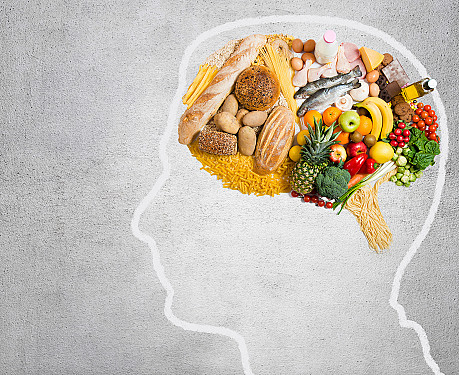
Our brain requires a constant supply of nutrients to function properly. Macronutrients (carbohydrates, proteins, fats) provide energy, while micronutrients (vitamins and minerals) regulate neurotransmitters and hormonal balance. Poor nutrition can lead to deficiencies that affect brain chemistry, potentially contributing to mood disorders, anxiety, depression, and cognitive decline.
The Role of Neurotransmitters
Neurotransmitters are chemicals in the brain that influence mood, motivation, and emotional responses. Nutrients from food directly affect neurotransmitter synthesis:
- Serotonin, often called the “happiness chemical,” is synthesized from the amino acid tryptophan found in foods like turkey, eggs, and soy products.
- Dopamine, associated with motivation and reward, depends on tyrosine, found in chicken, fish, and dairy products.
- GABA (gamma-aminobutyric acid), which helps reduce anxiety, relies on vitamins B6 and magnesium found in leafy greens, nuts, and whole grains.
Deficiencies in these nutrients can impair neurotransmitter function, resulting in mood swings, irritability, or fatigue.
Key Nutrients for Mental Health
To support optimal brain function, certain nutrients play a particularly significant role:
Omega-3 Fatty Acids
Omega-3 fatty acids, especially EPA and DHA, are vital for brain structure and function. Research shows that adequate omega-3 intake is linked to lower rates of depression and improved cognitive performance. Fatty fish like salmon, mackerel, and sardines are excellent sources, while walnuts and flaxseeds are plant-based alternatives.
B Vitamins
B vitamins, particularly B6, B12, and folate, help regulate neurotransmitters and homocysteine levels. Low levels are associated with depression, anxiety, and cognitive decline. Foods rich in B vitamins include leafy greens, whole grains, eggs, and legumes.
Magnesium
Magnesium is involved in over 300 enzymatic reactions in the body, including neurotransmitter function. Low magnesium levels may contribute to anxiety, irritability, and poor sleep. Sources include spinach, almonds, black beans, and pumpkin seeds.
Antioxidants
Oxidative stress can damage brain cells and impair mental health. Antioxidants, such as vitamins C and E, help neutralize free radicals. Berries, citrus fruits, nuts, and green vegetables are rich in these compounds.
Probiotics
Gut health is increasingly linked to mental health through the gut-brain axis. A healthy microbiome can positively influence mood and cognitive function. Fermented foods like yogurt, kefir, sauerkraut, and kimchi introduce beneficial bacteria to the gut.
Foods That Boost Mental Health
Here’s a list of brain-healthy foods you can include in your daily diet:
- Fatty Fish – Rich in omega-3s, they improve mood and cognitive function.
- Leafy Greens – High in folate and magnesium, supporting neurotransmitter function.
- Berries – Packed with antioxidants that reduce oxidative stress and inflammation.
- Whole Grains – Provide steady glucose, the brain’s primary energy source.
- Nuts and Seeds – Contain healthy fats, vitamin E, and magnesium.
- Fermented Foods – Promote gut health, positively affecting mood.
- Legumes – High in B vitamins and fiber, supporting both brain and gut health.


Foods That May Negatively Impact Mental Health
While some foods support brain function, others can harm mental health when consumed excessively:
- Sugary Foods and Beverages – High sugar intake is linked to inflammation, which may affect mood and increase the risk of depression.
- Highly Processed Foods – Contain unhealthy fats, refined carbs, and additives that can disrupt neurotransmitter function.
- Excessive Caffeine or Alcohol – Can lead to sleep disturbances, anxiety, or mood swings when overconsumed.
Balancing these foods with nutrient-rich options is key to maintaining mental wellness.
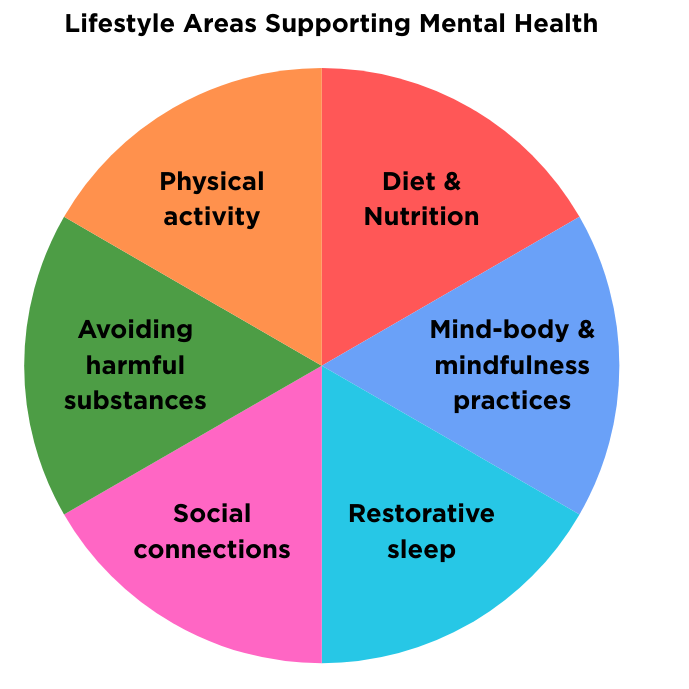
The Role of Lifestyle Alongside Nutrition
Nutrition alone is not a magic solution for mental health. A holistic approach includes:
- Regular Exercise – Physical activity releases endorphins, improves sleep, and reduces stress.
- Adequate Sleep – Sleep supports memory consolidation, emotional regulation, and neurotransmitter balance.
- Stress Management – Techniques like meditation, yoga, or deep breathing improve mental clarity and emotional resilience.
- Social Connections – Strong social networks can enhance mood and reduce stress-related behaviors.
Combining a nutrient-rich diet with these lifestyle habits creates a synergistic effect, promoting better mental health outcomes.
Practical Tips to Improve Nutrition for Mental Health
- Plan Balanced Meals – Include protein, healthy fats, and complex carbohydrates in each meal.
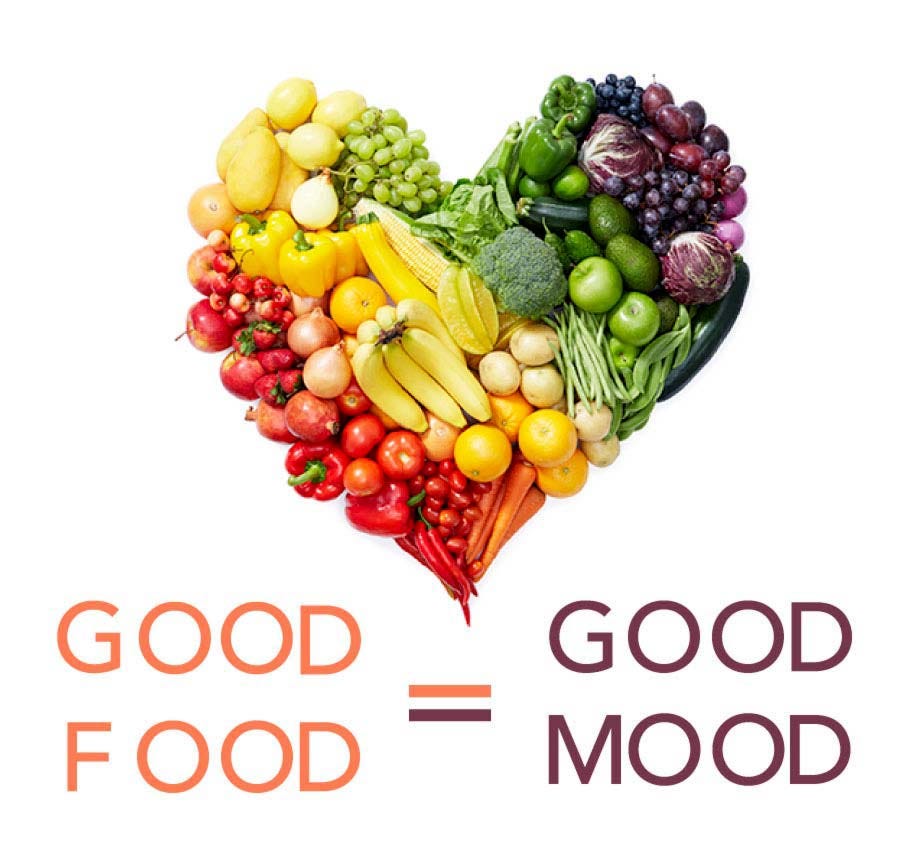
- Incorporate Colorful Produce – Aim for a variety of fruits and vegetables to ensure a wide range of antioxidants.
- Snack Smart – Swap chips or candy for nuts, seeds, or yogurt with berries.
- Cook at Home – Preparing meals at home helps control ingredients and reduces processed food intake.
- Stay Hydrated – Dehydration can affect concentration, mood, and energy levels.
- Consider Supplements – If you have dietary restrictions, consult a healthcare provider about omega-3s, B vitamins, or magnesium supplements.
Internal Resources for Further Reading
For more guidance on healthy lifestyle habits, check out our related articles:
- How Many Calories Should You Eat to Lose Weight
- Best Foods That Burn Belly Fat
- Intermittent Fasting for Beginners
These resources can help you build a comprehensive plan for both physical and mental well-being.
Conclusion
The link between nutrition and mental health is undeniable. By choosing nutrient-dense foods, minimizing processed foods, and maintaining a healthy lifestyle, you can support brain function, improve mood, and reduce the risk of mental health disorders. Remember, mental wellness is multifaceted, and combining good nutrition with exercise, sleep, and stress management offers the best results. Start small by incorporating brain-healthy foods into your daily routine and notice the positive impact on your mood, energy, and overall well-being.