
When it comes to fitness and health, the terms weight loss and fat loss are often used interchangeably. However, understanding the difference between the two is crucial if your goal is to improve body composition, boost overall health, or achieve a sustainable fitness transformation. Many people focus solely on the scale, but this approach can be misleading. In this guide, we’ll break down the key distinctions, why it matters, and how to target fat loss effectively while maintaining a healthy lifestyle.


What is Weight Loss?
Weight loss simply refers to a reduction in your body weight. This includes everything that contributes to your total weight: fat, muscle, water, and even glycogen stores.
How Weight Loss Happens
Weight loss occurs when your body is in a calorie deficit, meaning you burn more calories than you consume. This can be achieved through:
- Dietary changes – eating fewer calories than your body requires.
- Increased activity – exercise, daily movement, or both.
- Combination approaches – a mix of healthy diet and regular exercise.
⚠️ Important: Losing weight quickly does not guarantee fat loss. Often, rapid weight loss comes from water loss or even muscle loss, which can negatively impact your metabolism.
Common Misconceptions About Weight Loss
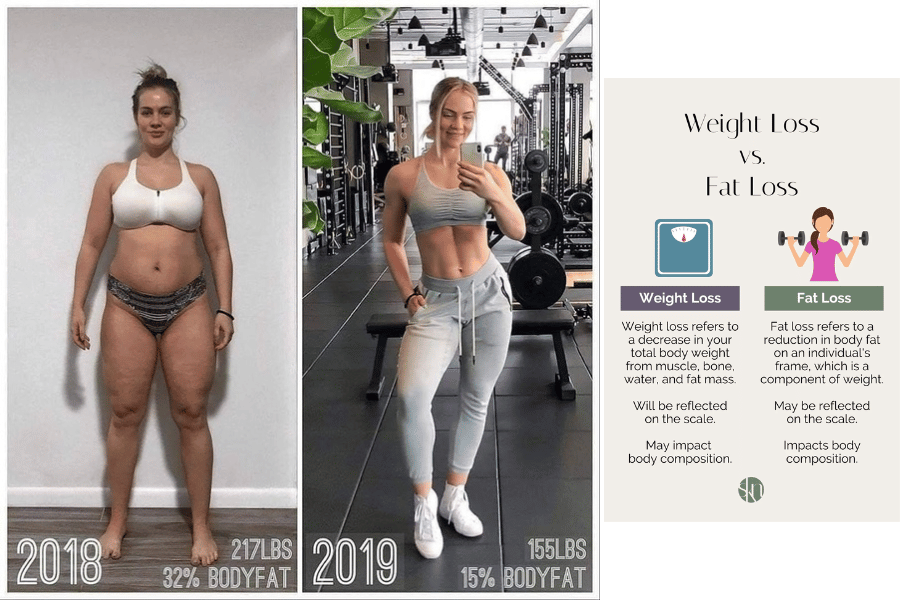
Many people assume that weight loss automatically equals fat loss. This misconception leads to frustrating results where the scale drops, but body fat may remain the same—or even increase relative to muscle mass. This is why it’s important to focus on body composition rather than just numbers on a scale.
You can read more about how to lose weight effectively on our previous guide.
What is Fat Loss?
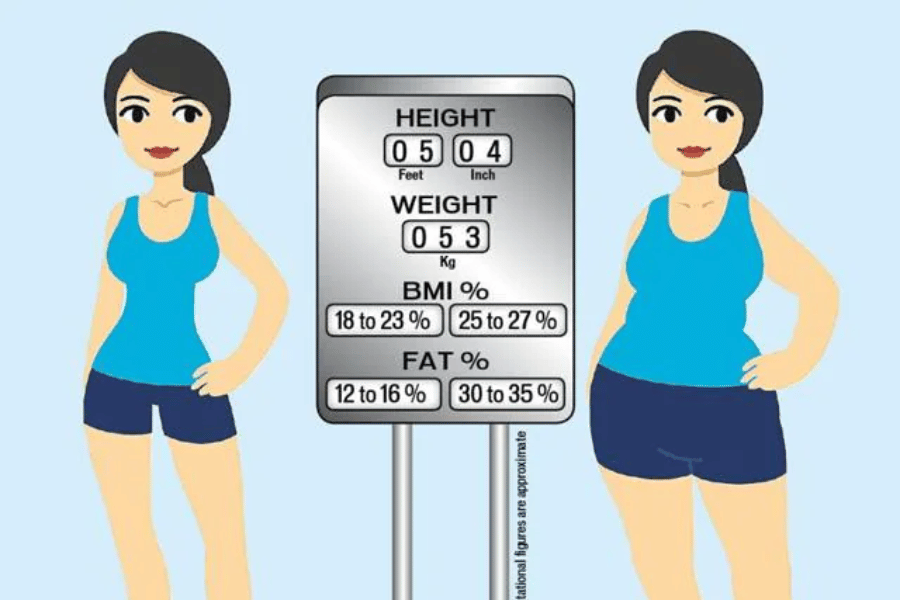
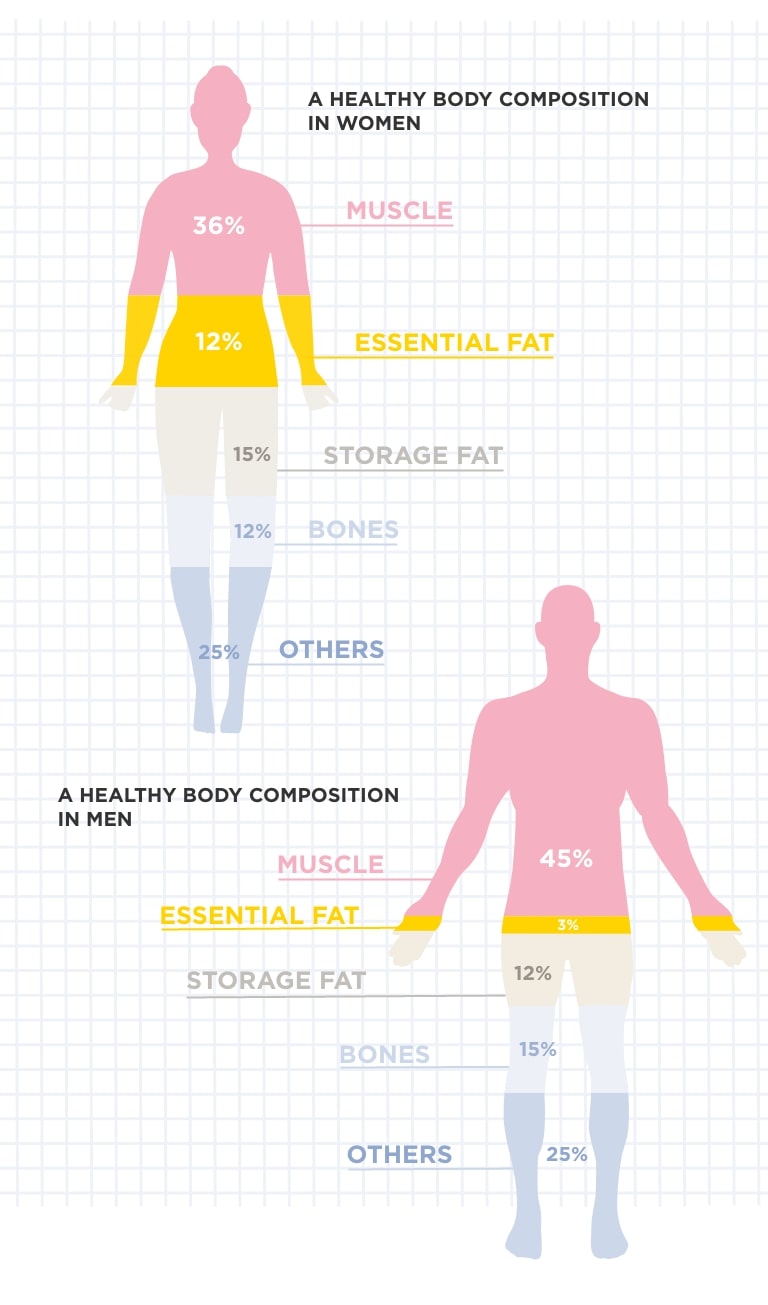
Fat loss is more specific. It refers to the reduction of body fat while ideally preserving lean muscle mass. Fat loss focuses on improving body composition, which is the ratio of fat mass to lean mass in your body.
Why Fat Loss Matters More Than Weight Loss
- Health Benefits – Lower body fat reduces the risk of chronic diseases such as diabetes, heart disease, and high blood pressure.
- Better Appearance – Fat loss improves muscle definition, resulting in a toned and lean look rather than just a lighter scale reading.
- Metabolic Health – Maintaining muscle while reducing fat supports a higher resting metabolic rate, making it easier to maintain results long-term.
How to Promote Fat Loss
Fat loss typically requires a calorie deficit, but with a focus on nutrition quality, strength training, and consistency. Key strategies include:
- Protein-rich diet – Helps preserve lean muscle mass while in a calorie deficit.
- Strength training – Builds and maintains muscle, ensuring weight loss comes from fat, not muscle.
- Cardiovascular exercise – Supports calorie burning and improves cardiovascular health.
- Adequate sleep and stress management – Hormones like cortisol influence fat storage.
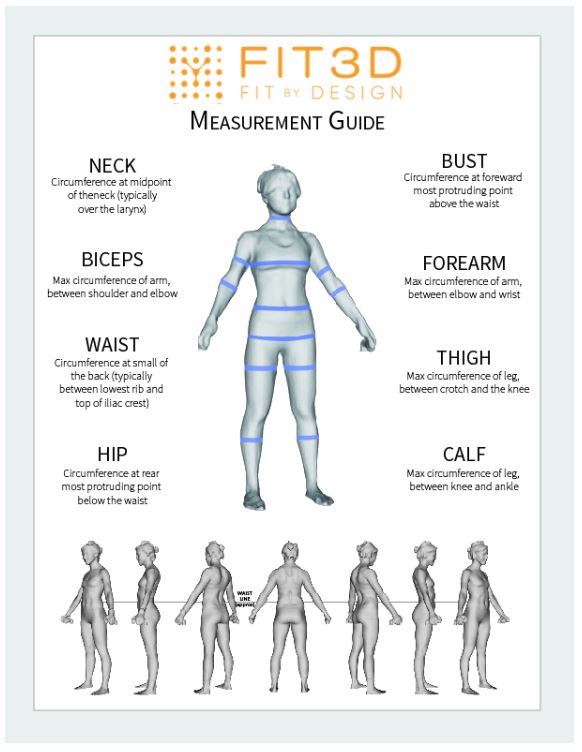
💡 Tip: Tracking progress with body measurements, progress photos, or body fat percentage is more reliable than only using a scale.
Weight Loss vs Fat Loss: Key Differences
| Factor | Weight Loss | Fat Loss |
|---|---|---|
| Definition | Reduction in total body weight (fat, muscle, water) | Reduction in body fat while preserving lean mass |
| Measurement | Scale | Body fat percentage, measurements, photos |
| Goal | Often cosmetic or short-term | Health, fitness, long-term sustainable changes |
| Health Impact | Can be negative if muscle is lost | Positive, improves metabolism and body composition |
| Methods | Diet or calorie restriction | Diet + strength training + sustainable lifestyle |
As this table shows, while weight loss is a broader term, fat loss is more targeted and beneficial for long-term health and fitness.
Why Relying Only on the Scale Can Be Misleading
Many people step on the scale daily and panic if the number isn’t dropping quickly. Here’s why that approach can be problematic:
- Water Fluctuations – Hydration, salt intake, and glycogen stores can make your weight swing by several pounds.
- Muscle Gain – If you’re exercising and gaining muscle while losing fat, the scale might not move, but your body is changing shape.
- Temporary Changes – Crash diets may show immediate scale drops, but this often comes from muscle and water loss, not fat.
Focusing on fat loss indicators like waist circumference, clothing fit, and energy levels provides a more accurate picture of your progress. Check out our post on common weight loss mistakes to avoid to learn more.
Tools to Measure Fat Loss
Unlike weight loss, which is easily measured with a scale, fat loss requires a few extra tools:
- Body Fat Scales – Use bioelectrical impedance to estimate body fat percentage.
- Skinfold Calipers – Measures subcutaneous fat at different body sites.
- DEXA Scans – Most accurate method; measures bone density, muscle, and fat.
- Tape Measurements & Progress Photos – Simple, inexpensive, and effective for tracking changes over time.
🔹 Tip: Consistency is key. Track at the same time of day, under similar conditions, for the most accurate results.
How to Focus on Fat Loss Instead of Just Weight Loss
Here’s a practical approach to prioritize fat loss:
1. Prioritize Protein
Protein helps preserve muscle mass during a calorie deficit. Aim for 1.6–2.2g per kg of body weight daily.
2. Strength Training
Resistance training is essential for building and maintaining lean muscle, which improves metabolism and ensures weight loss comes from fat.
3. Moderate Cardio
Cardiovascular exercise burns calories and improves heart health. Incorporate HIIT (High-Intensity Interval Training) or moderate steady-state cardio.
4. Track Progress Beyond the Scale
- Measure waist, hips, thighs, and arms.
- Take weekly progress photos.
- Consider bioelectrical impedance or DEXA scans periodically.
5. Be Patient and Consistent
Fat loss is a gradual process. Rapid changes are usually unsustainable. Aim for 0.5–1% of body fat reduction per month.



Combining Weight and Fat Loss for Optimal Health
While fat loss should be the primary focus, monitoring overall weight can still provide useful insights. The key is to:
- Avoid extreme calorie deficits that cause muscle loss.
- Focus on body composition improvements rather than a number on the scale.
- Maintain a healthy lifestyle that combines diet, exercise, sleep, and stress management.
Conclusion
Understanding the difference between weight loss and fat loss is essential for anyone looking to improve health, appearance, and long-term fitness. While weight loss is simply about lowering your number on the scale, fat loss is about reducing body fat while preserving muscle, improving metabolism, and enhancing overall health.
By prioritizing strength training, proper nutrition, and consistent tracking, you can focus on fat loss rather than being misled by fluctuations on the scale. Remember, the scale is just one tool—body composition, energy levels, and overall well-being are far more important indicators of success.
For more guidance on managing your diet for fat loss, check out our articles on how to lose weight without going to the gym and intermittent fasting for beginners.